
Academy Tweezer Kits: Numbering, Replacement Codes and Instructor Samples
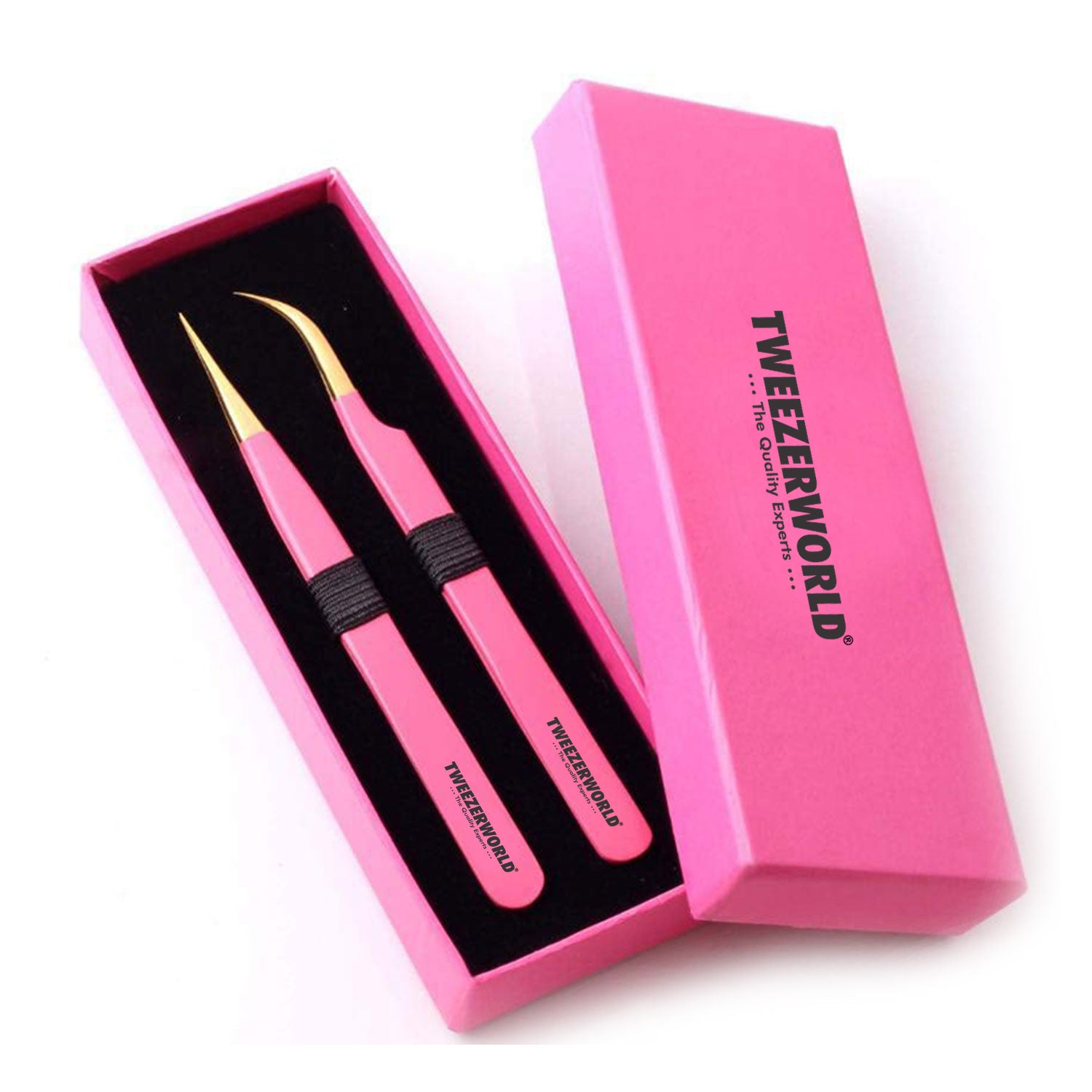
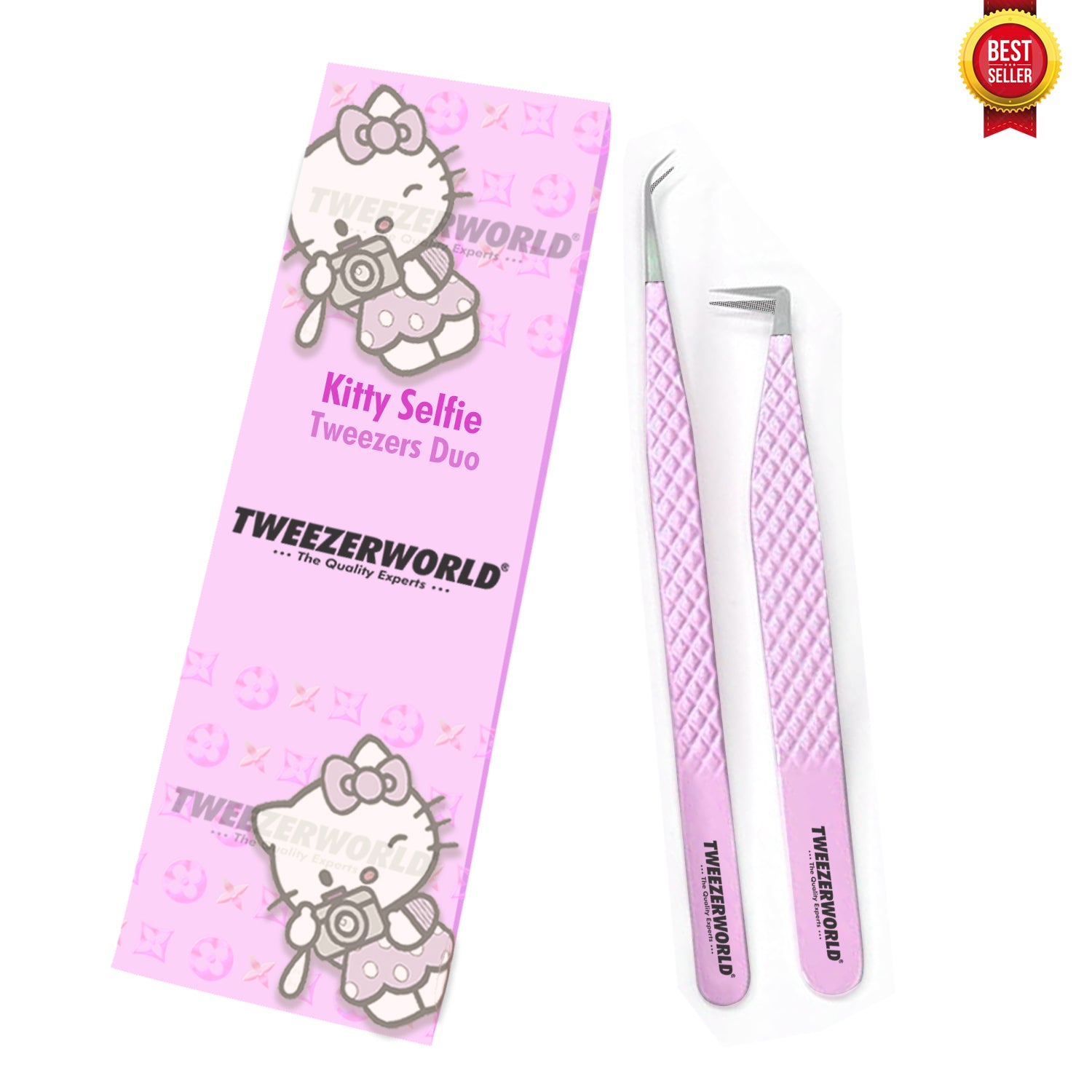
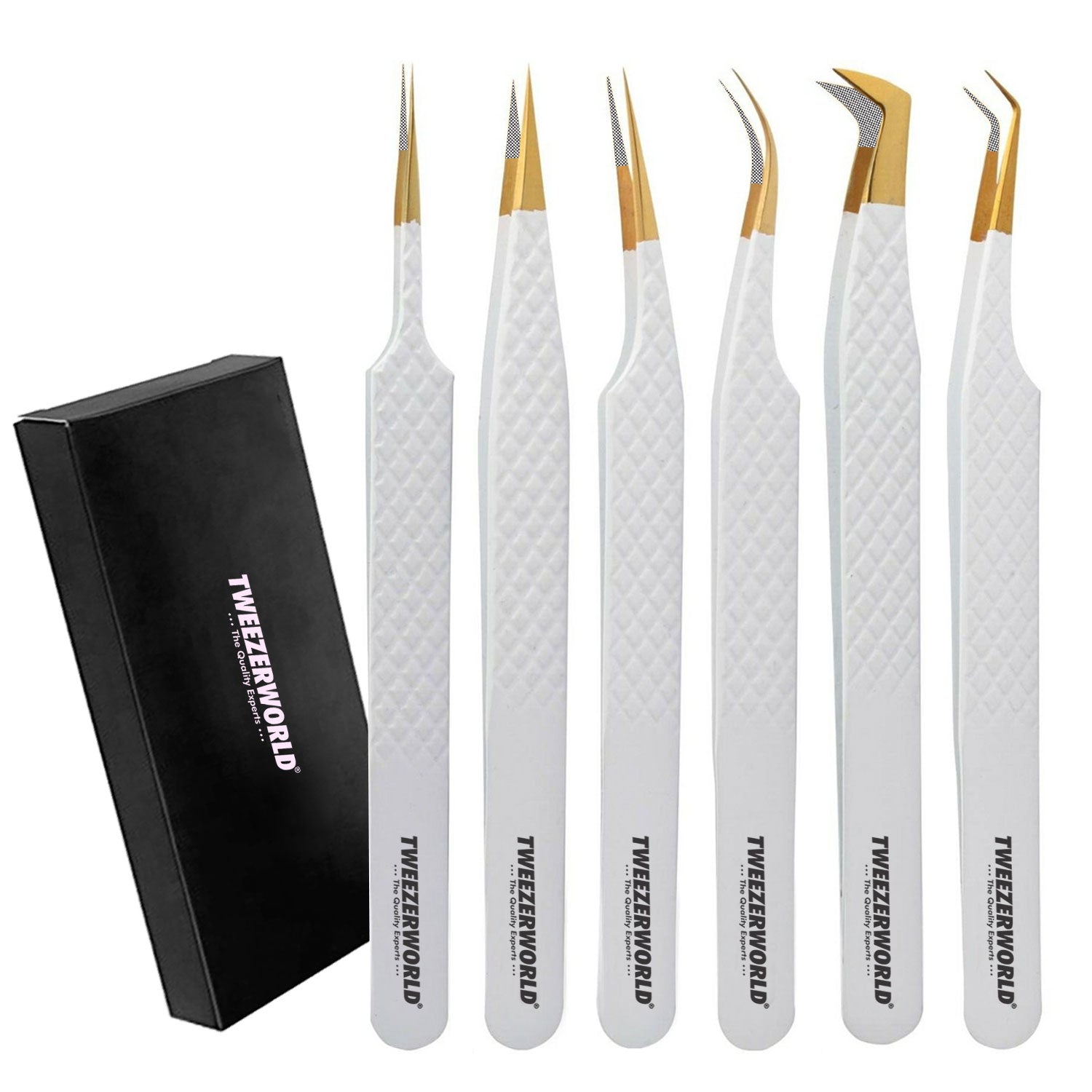
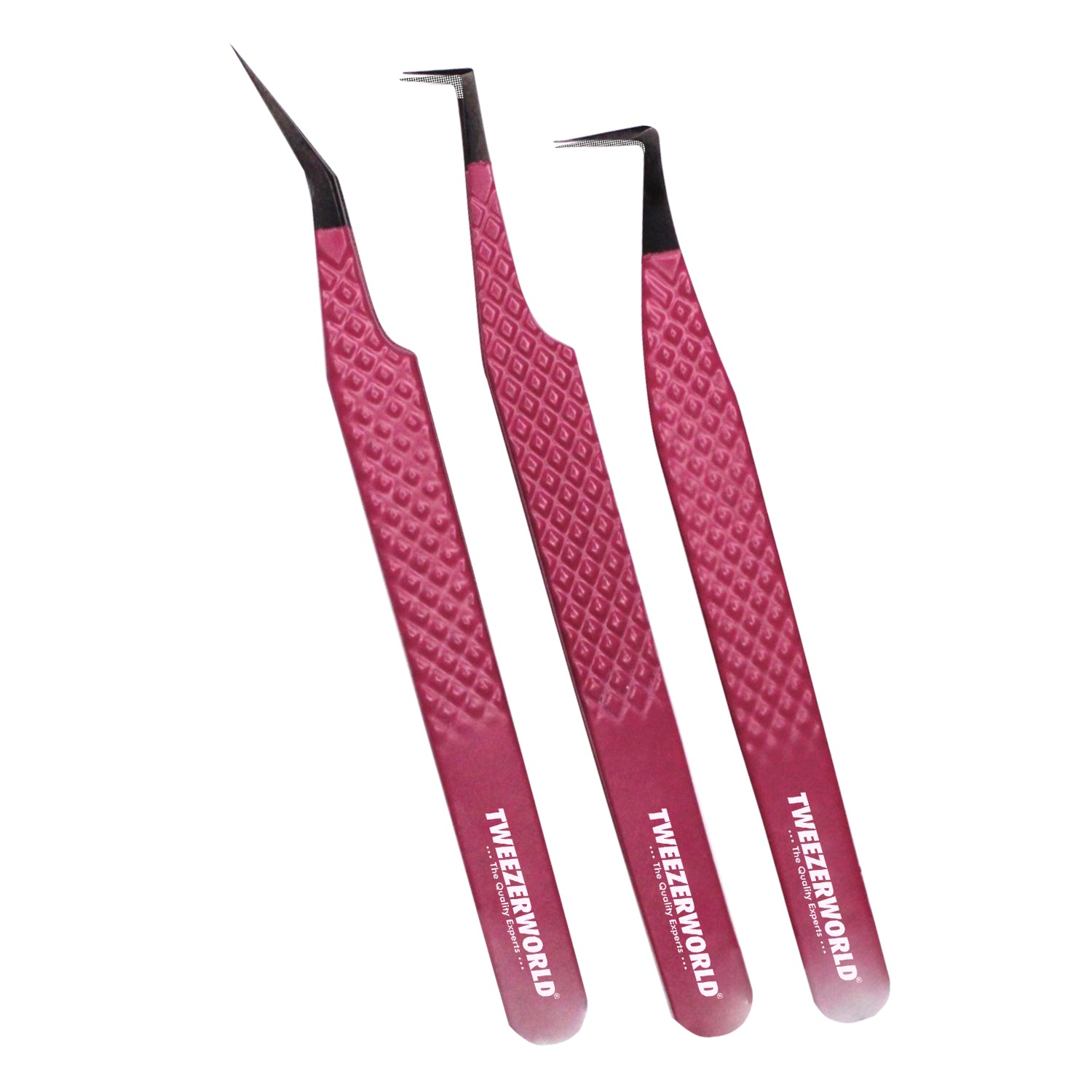
Professional lash educators need kits that are easy to issue, teach with, inspect and replace. A random group of tweezers may look attractive, but it creates confusion when students cannot identify the exact pattern, tension or tip geometry used in a lesson. A controlled academy kit turns each tool into a teachable reference.
Number every tool and every position
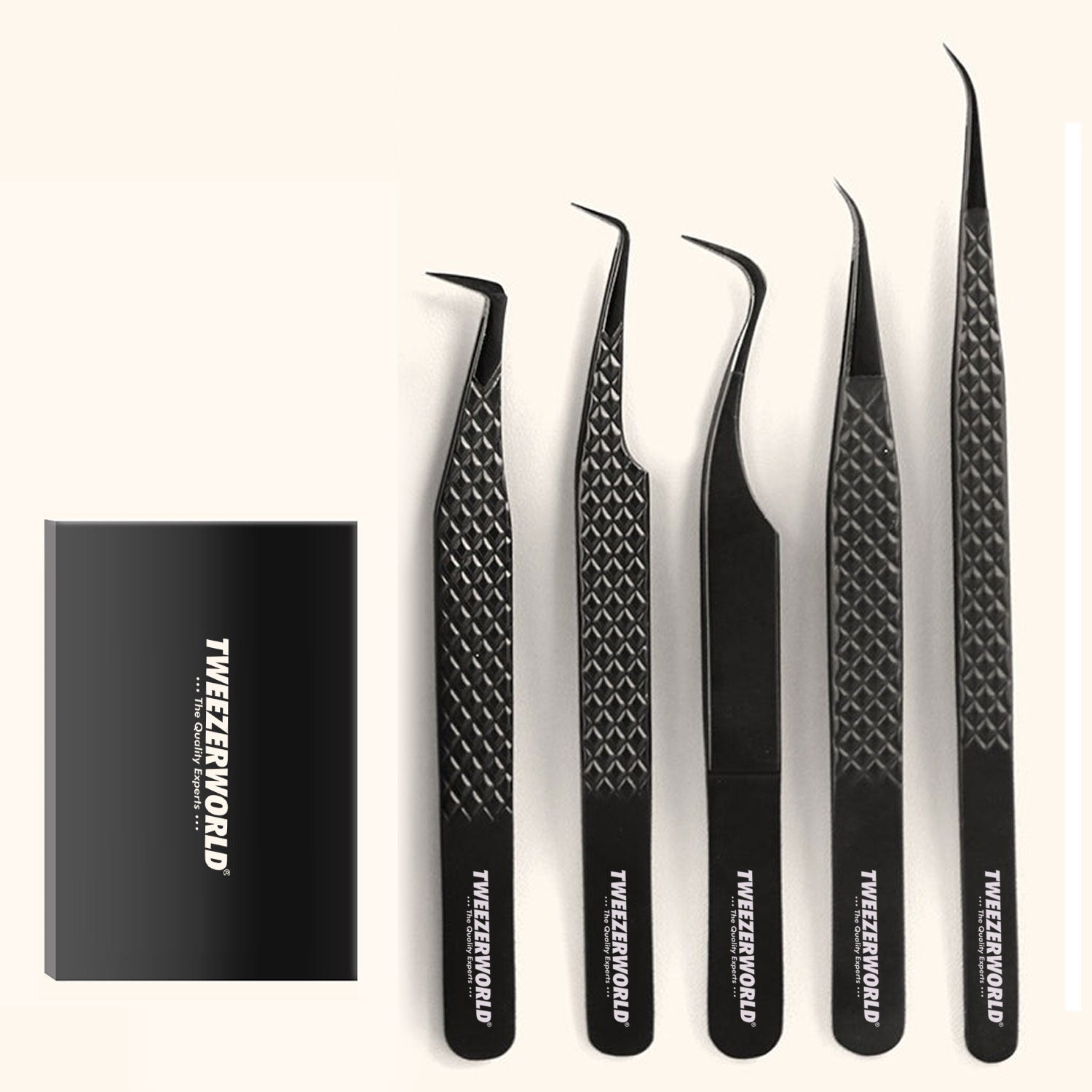
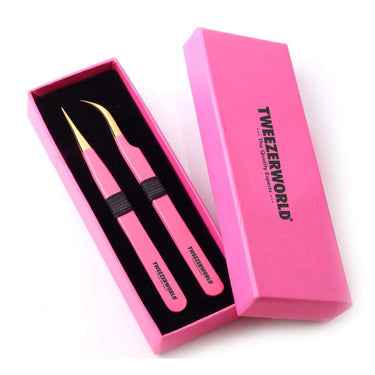
Assign a visible number to each tweezer and match that number to the position in the protective case. The same identifier should appear on the care card, student checklist and replacement list. Numbering helps an instructor confirm that every student received the correct tool and makes end-of-class collection faster.
Create replacement codes that stay stable
A replacement code should identify the approved pattern without depending on a color name alone. Include the tweezer shape, working-tip style and kit position. Keep the code stable even if outer finish or packaging changes, unless that change affects function.
| Kit element | Recommended control | Benefit |
|---|---|---|
| Tweezer | Permanent number plus replacement code | Reduces ordering mistakes |
| Case position | Matching number or silhouette | Makes missing tools visible |
| Student care card | Cleaning, storage and handling instructions | Supports consistent tool care |
| Instructor sample | Approved reference kept separate | Supports demonstrations and comparison |
| Reorder sheet | Code, description and contact route | Simplifies replacements |
Why an instructor sample matters
The instructor sample should match the approved student specification and remain labeled as a reference. Educators can use it to demonstrate grip, hand position and technique, or to compare a returned tool with the original configuration. The reference should not be treated as proof that every future piece is identical; incoming kits still need appropriate inspection.
Choose kit contents by curriculum
Start with the techniques taught, not with a fixed tool count. An isolation-focused program may need different patterns from a volume or mega-volume class. Define the intended lesson for every position and avoid adding tools that have no training purpose. Explore the main professional lash tweezer collection, volume lash tweezers and lash tweezer sets when planning a curriculum-specific combination.
Approve a sample kit before bulk production
- Confirm the final tool list and position numbers.
- Inspect alignment, contact geometry and closing action for each pattern.
- Run a short teaching trial with the actual course materials.
- Approve the case layout, labels and care card.
- Record replacement codes and retain an instructor reference.
- Require notice before functional or packaging changes.
Information to send with an academy RFQ
Provide the number of students per intake, preferred set size, techniques taught, required case format, numbering method, branding files, target delivery date and whether individual replacement tools must be available. These details allow the supplier to quote the correct configuration instead of guessing.
Discuss your requirements with TWEEZER WORLD
For academy, OEM, private-label, industrial or wholesale enquiries, send the intended application, quantity, target market, packaging needs and required documentation. Review the wholesale program, explore our manufacturing capabilities or contact TWEEZER WORLD.
Email: tweezersworld@gmail.com · WhatsApp: +92 321 6194723
Papular Products Gallery