
Paused OEM Orders After Production Begins: A Buyer–Supplier Decision Checklist
Pausing an OEM order after production begins is a change-control event, not a casual delay. Materials may have been allocated, tools shaped, finishes applied, logos prepared or packaging printed. The buyer and supplier need one shared record that states what has happened, what must stop and who can authorize the next step.
1. Identify the order and the authority to pause it
Record the proforma invoice, purchase order, model codes, quantities and revision date. The pause instruction should come from an authorized buyer contact and be acknowledged by an authorized supplier contact. A message such as “please wait” should be converted into a dated written status.
2. Define the production stop point
List the operation that is complete, the operation in progress and the next operation not yet started. Typical stages can include material allocation, forming, grinding, alignment, finish, logo, inspection, individual packing and export packing. The list must reflect the actual order rather than a generic factory sequence.
3. Count and protect work in progress
Record quantities at each stage, segregate them from other orders and preserve sample or batch identifiers. Note whether unfinished pieces can be safely stored, whether packaging or artwork has a shelf-life concern, and whether any subcontracted process has already been committed.
4. Separate correction, buyer change and cancellation
A correction addresses nonconformance to the approved specification. A buyer change revises the approved specification. A cancellation ends some or all of the order. Each path has different cost, lead-time and acceptance implications, so the reason should be described neutrally and supported with photos, drawings or approval records where relevant.
5. Review commercial impact before restart
The revised record should identify reusable work, rework, scrap risk, new artwork, additional sampling, freight changes and any revised balance. It should also state whether the original lead time remains achievable. No party should treat a revised date as confirmed until the affected operations have been reviewed.
6. Issue a controlled restart instruction
The restart should reference one final specification set and identify superseded files. State the approved model, finish, logo, packaging, quantity, inspection point, payment status and expected dispatch basis. This prevents an old message or mockup from returning to production.
Decision checklist
- Order and revision identified
- Pause time acknowledged
- Work-in-progress count recorded
- Affected artwork and packaging isolated
- Reason classified
- Evidence attached
- Cost and lead-time effects reviewed
- Final files named
- Restart authority identified
- Dispatch assumptions reconfirmed
Related sourcing and support pages
- lash tweezers
- precision tweezers
- watchmaker tweezers
- eyebrow tweezers
- tweezer packaging
- scissors
- beauty tools
- manufacturing and OEM
- wholesale program
- contact the production team
Request a model-specific quotation or sample review
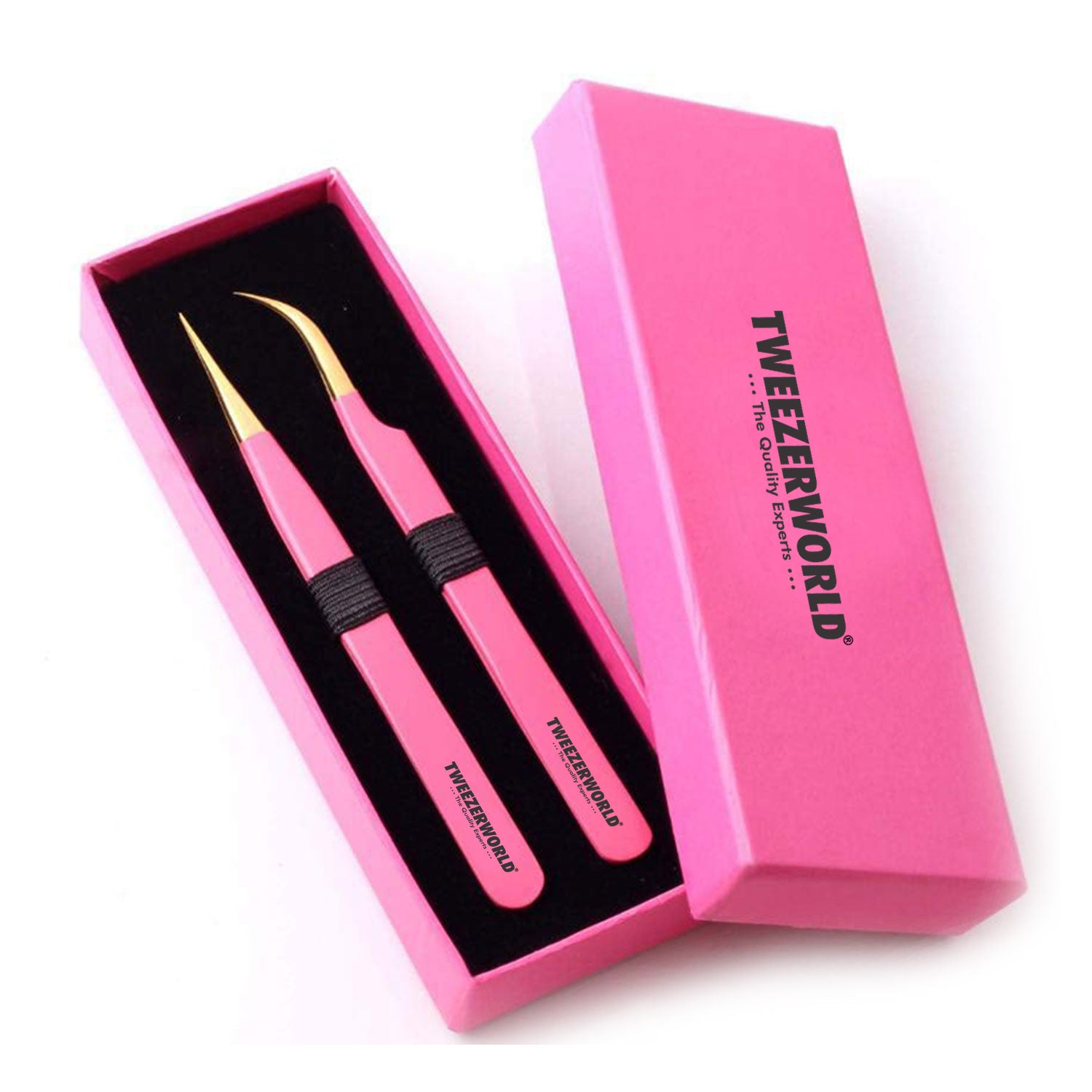
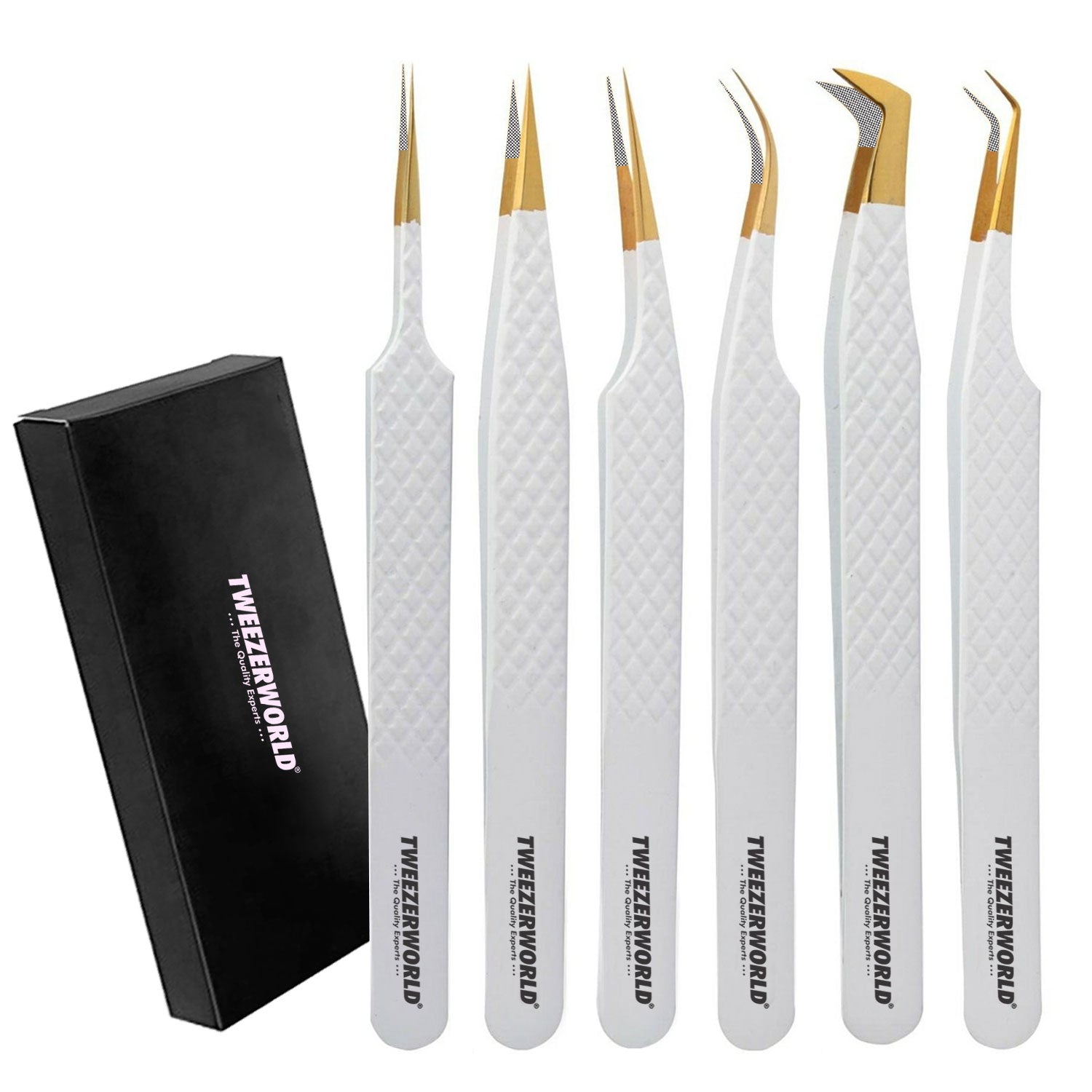
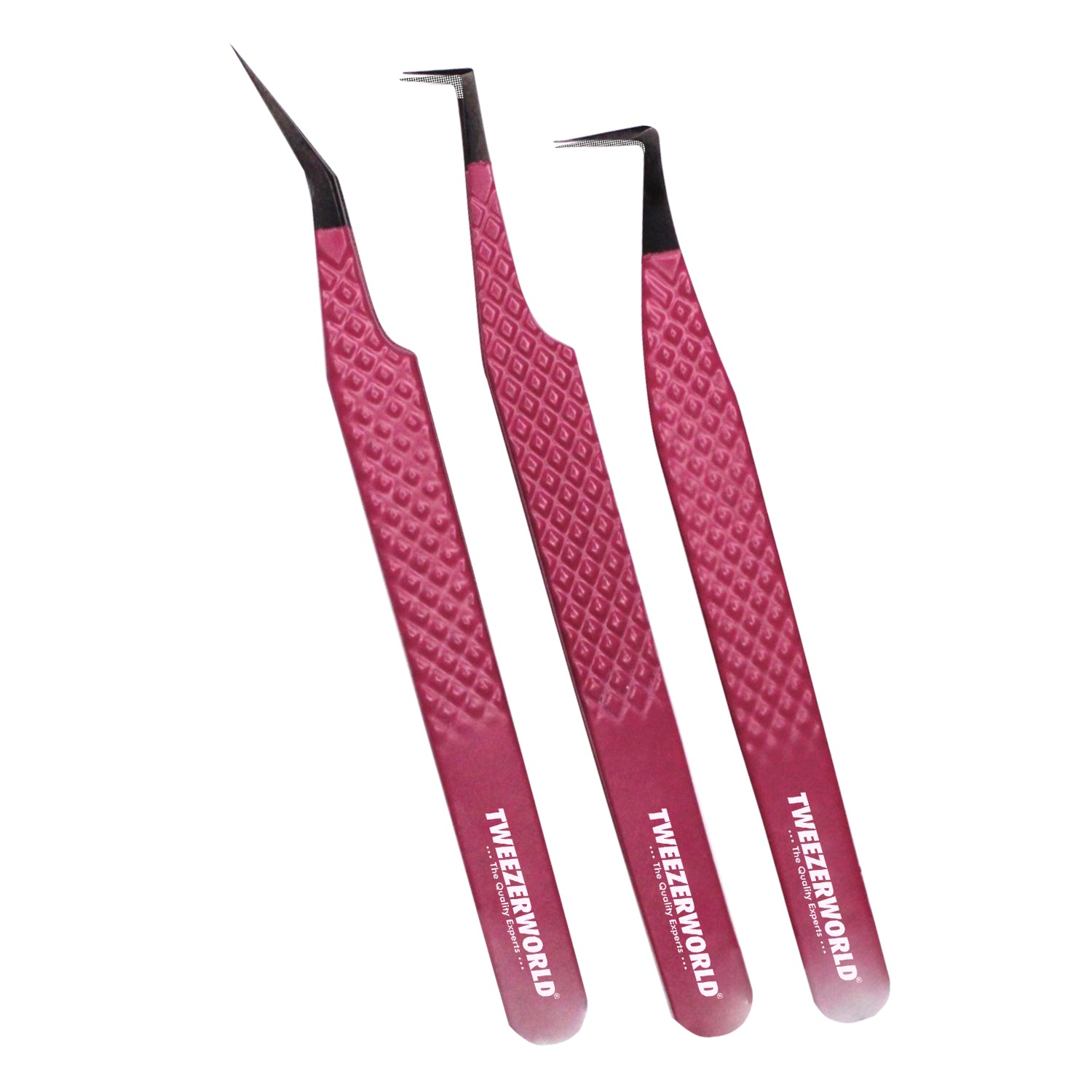
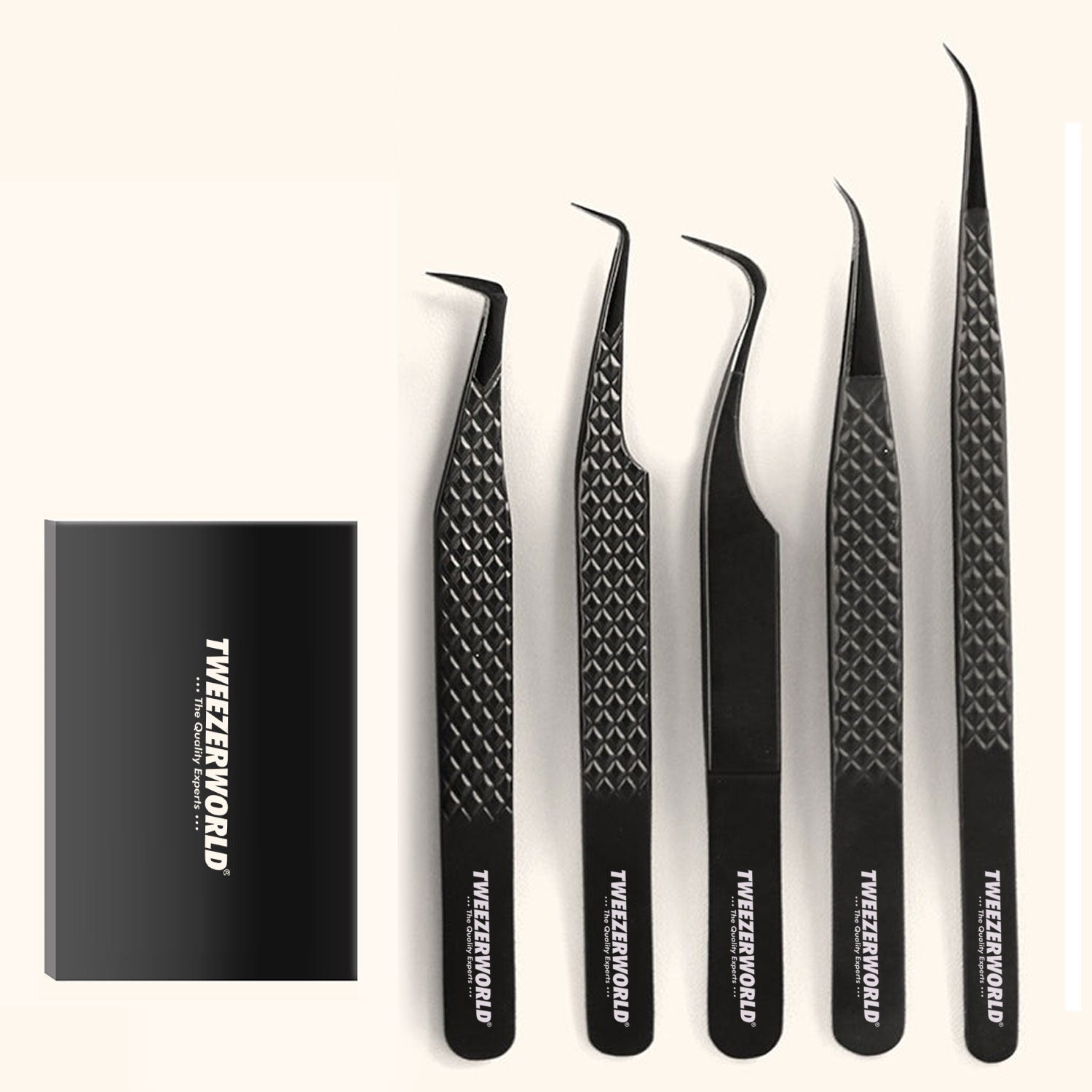
For a paused OEM order, identify the exact model or profile—such as the exact approved tweezer SKU and finish—and send the proforma number, current revision, requested pause reason, affected files and proposed decision date. TWEEZER WORLD® can then confirm the available specification, sample route, branding scope, packaging, quantity and commercial terms before an order is accepted.
Contact TWEEZER WORLD for a model-specific RFQ or review the OEM manufacturing process.
Papular Products Gallery