
Smooth-Tip vs Fiber-Tip Lash Tweezers: Verification Beyond Product Names
“Smooth tip” and “fiber tip” are useful sourcing terms, but they are not complete specifications. A buyer cannot confirm the working surface from the handle color, coating name or product title alone. Verification requires evidence from the inner contact faces and a sample tested for the intended technique.
Ask what the term describes
First separate the handle finish from the inner tip surface. A polished or coated handle can still have a different inner-face treatment. Ask the supplier to identify the exact model and show close, well-lit views of the contact faces. If the surface cannot be confirmed, treat the description as pending verification.
Compare contact geometry before surface language
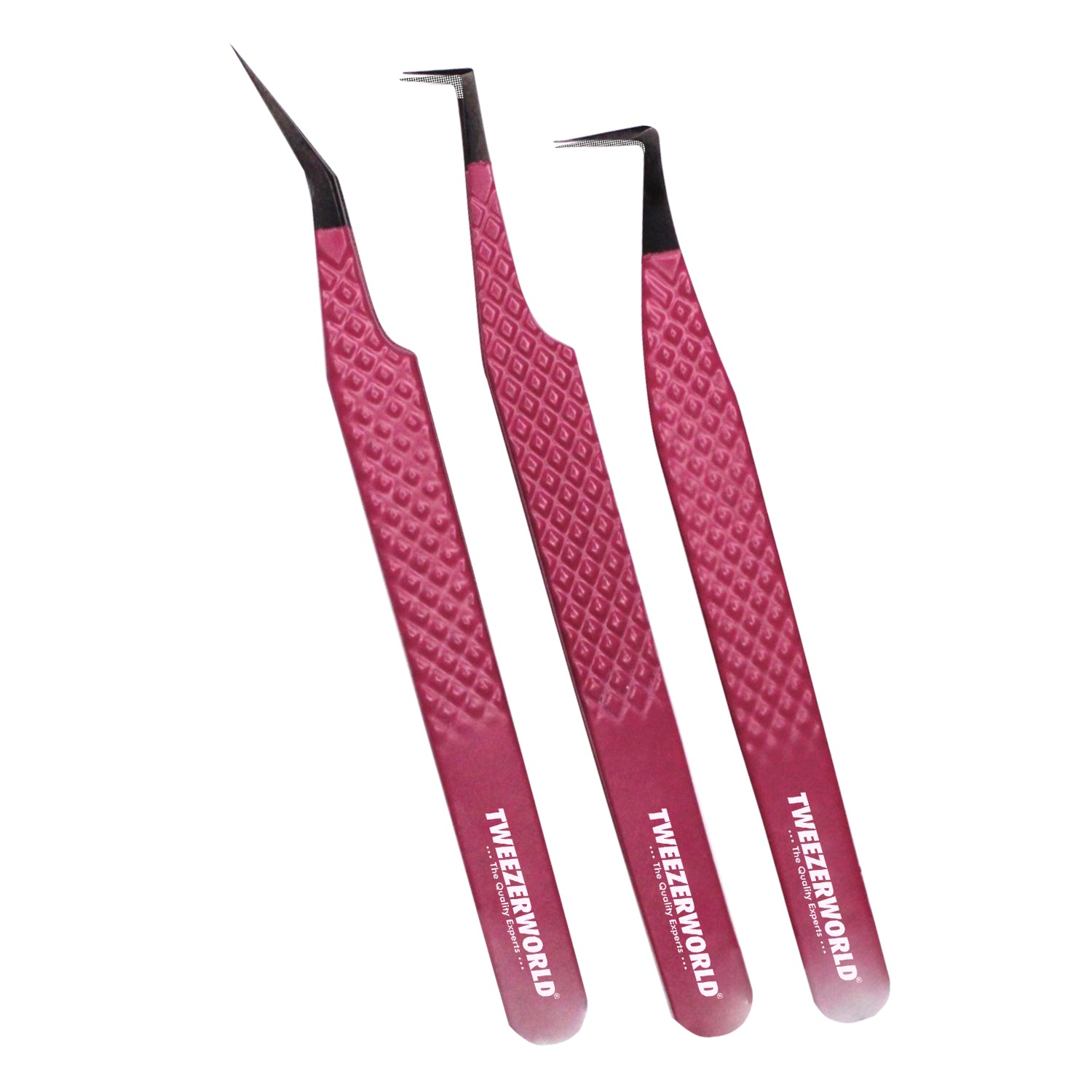
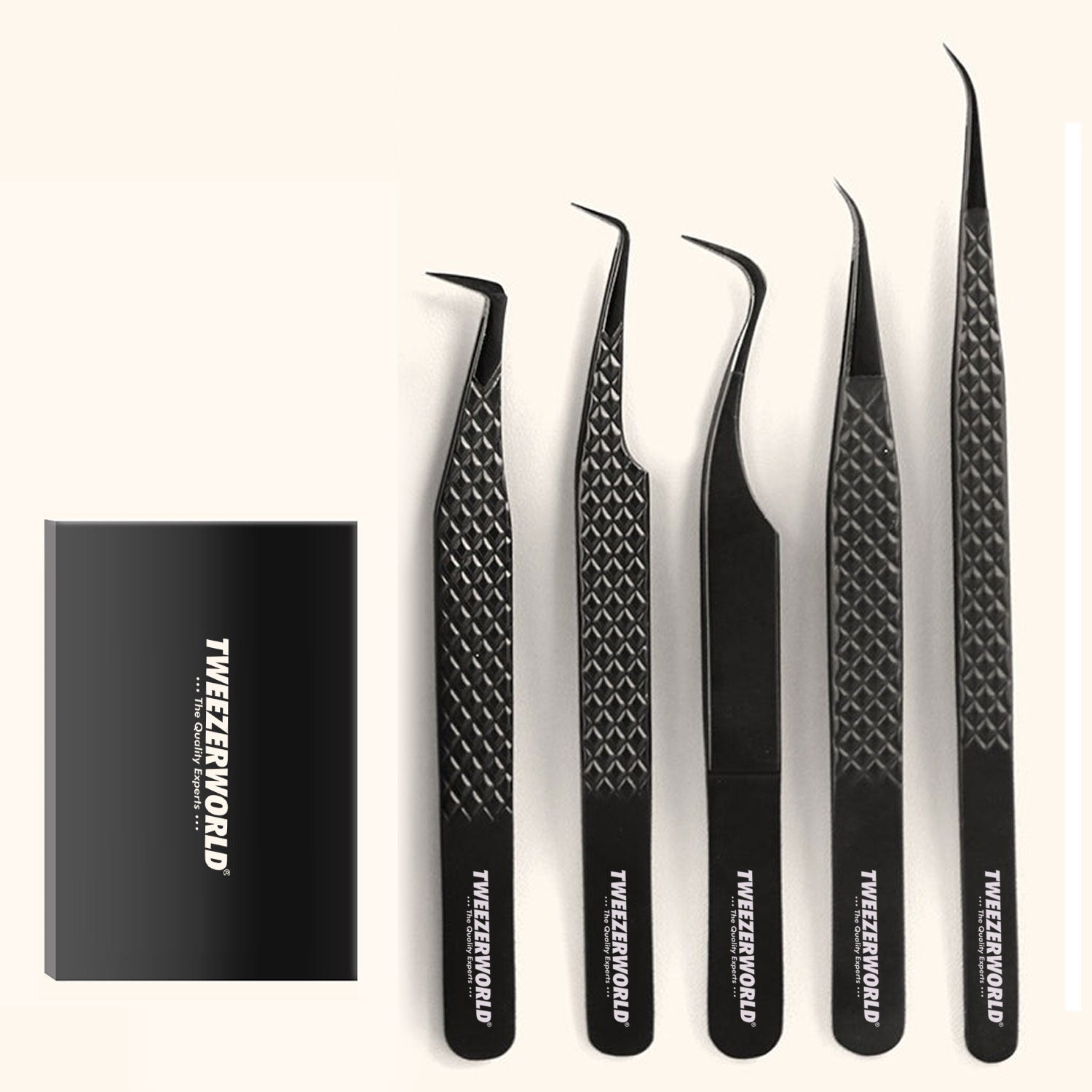
Two tweezers with different profiles can behave differently even when both are described as smooth or textured. Record tip length, bend or angle, contact start point, contact width, closure progression and visible alignment. A broader contact zone is not automatically better; it needs to match the buyer’s task and handling method.
Inspect the inner faces
Use magnification and consistent lighting. Look for visible texture, machining direction, residue, coating build-up, damage and edge condition. Photography can document what is visible, but it cannot prove an unmeasured material property or long-term durability. Keep the claim limited to the evidence collected.
Test both candidates with the same method
Use coded samples, the same practice materials, the same evaluator and a defined sequence. Record isolation, pickup, fan formation, release, sticking and fatigue observations separately. A technique-specific result is more useful than declaring one category universally superior.
Approve a model, not a label
The approval record should name the supplier model, profile, finish, tip-surface description, sample code and date. If the buyer approves a smooth-tip 45° tool, that decision should not automatically cover every 45° tool or every smooth-tip listing. Likewise, approval of one fiber-tip profile does not validate all textured models.
What to include in the RFQ
- Exact product URL or requested profile
- Technique and practice material
- Preferred contact zone and spring feel
- Requested finish and logo location
- Sample quantity and approval deadline
- Required photos or measured points
- Production quantity and packaging
Related sourcing and support pages
- lash tweezers
- angled tweezers
- curved fiber-tip tweezers
- straight fiber-tip isolation tweezers
- volume lash tweezers
- mega-volume lash tweezers
- black tweezers
- private-label manufacturing
- wholesale program
- contact and RFQ form
Request a model-specific quotation or sample review
For smooth-tip versus fiber-tip verification, identify the exact model or profile—such as TW-ET310 45° candidate or the exact fiber-tip comparison model—and send both model links, close-up requirements, technique, sample quantity and pass/fail criteria. TWEEZER WORLD® can then confirm the available specification, sample route, branding scope, packaging, quantity and commercial terms before an order is accepted.
Contact TWEEZER WORLD for a model-specific RFQ or review the OEM manufacturing process.
Papular Products Gallery