
Two-Piece Fiber Tip Lash Tweezer Sample Approval Checklist
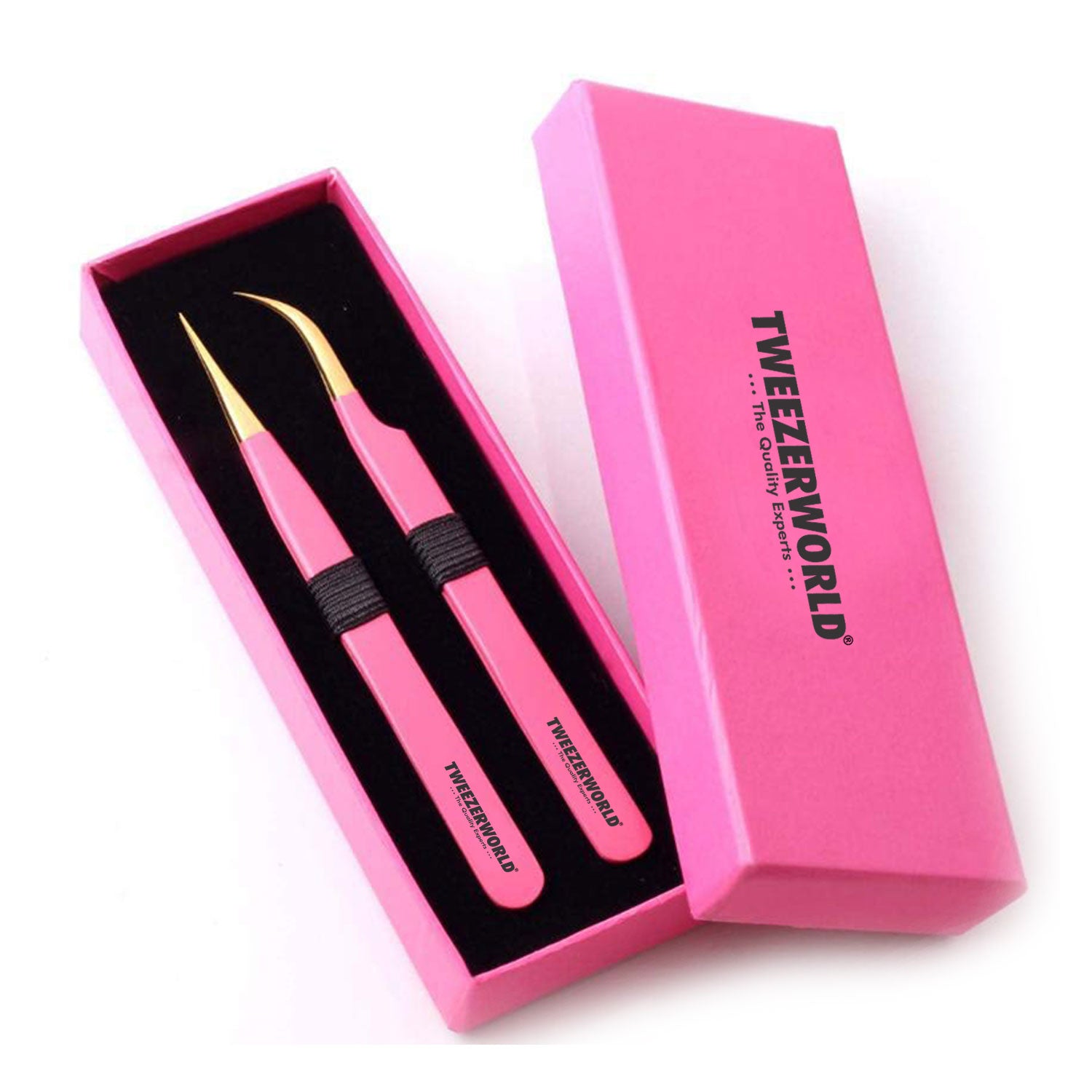
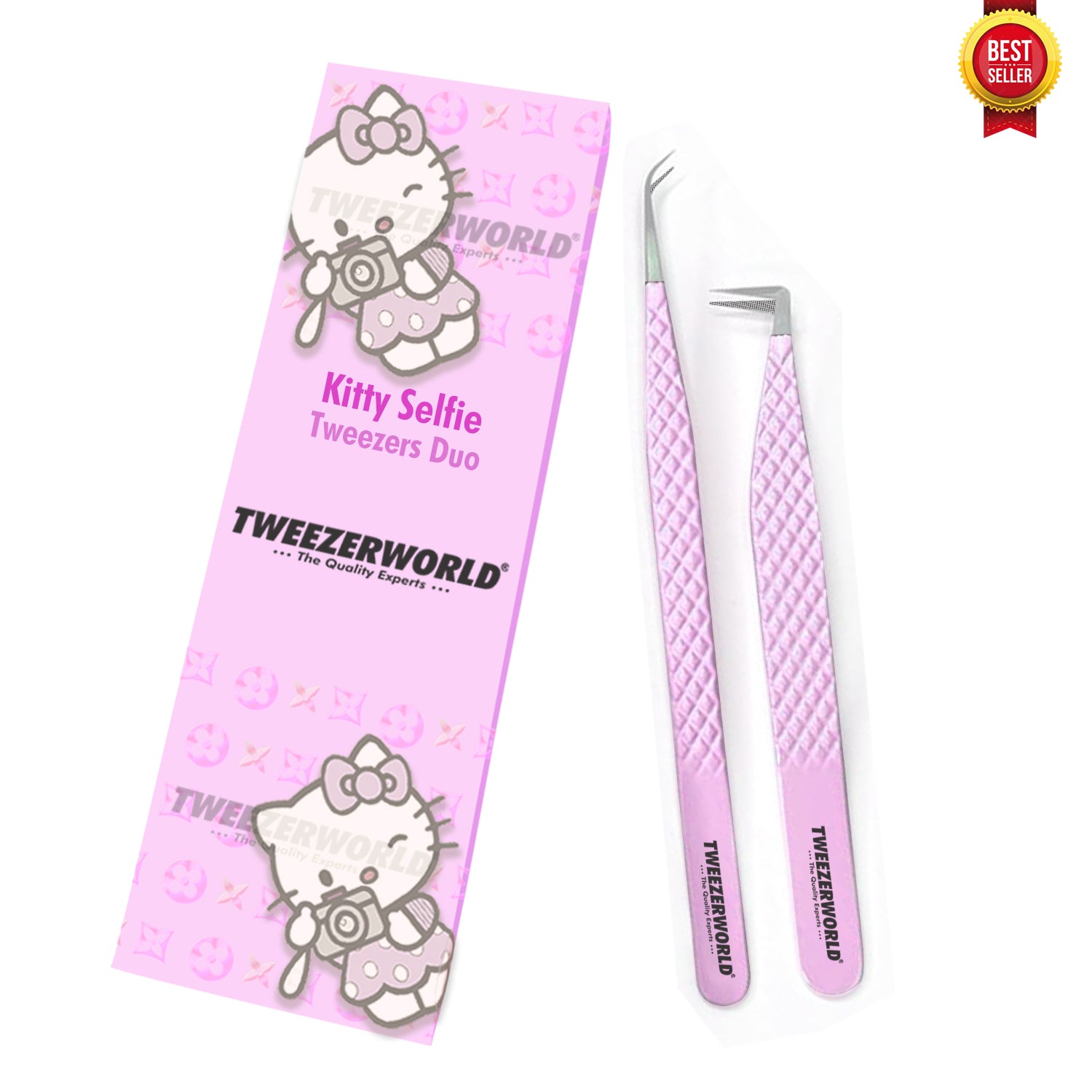
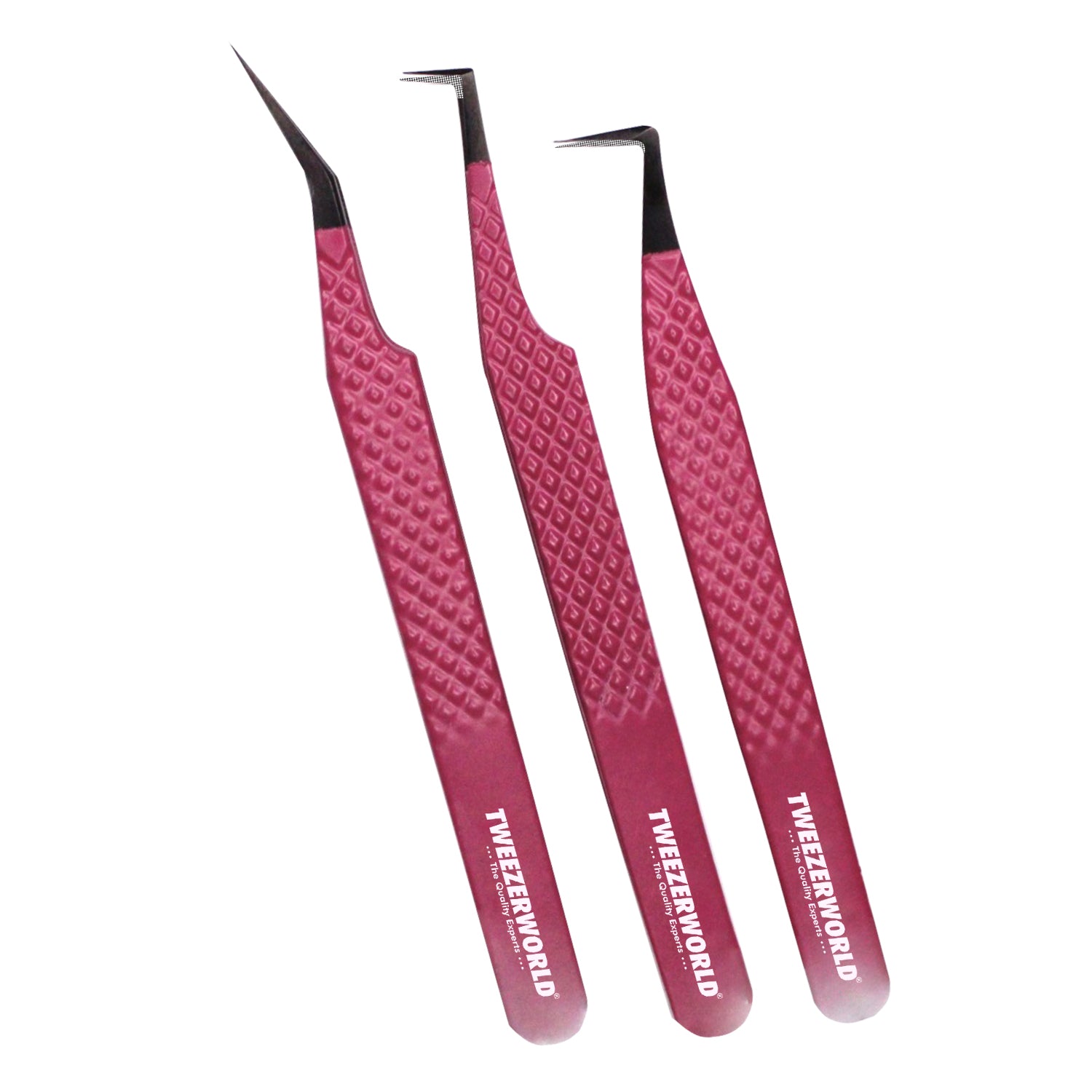
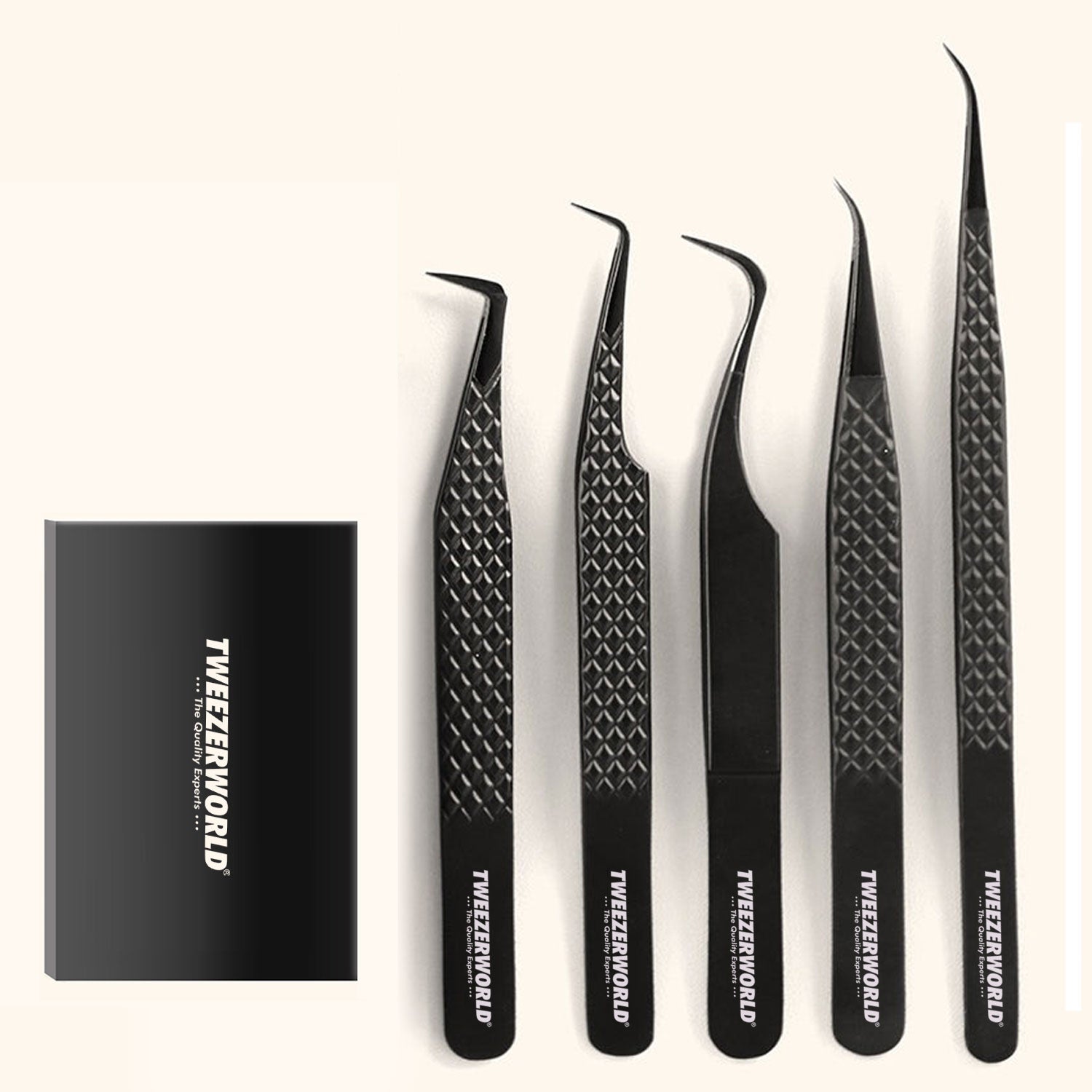
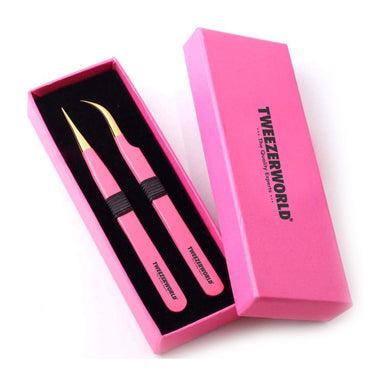
A two-piece fiber tip lash tweezer set should be approved as a coordinated working system, not simply as two tools placed in the same case. For private-label brands, the sample stage must confirm the role of each tweezer, the inner-tip texture, closing geometry, tension, finish, marking and packaging before bulk production begins.
This checklist helps OEM buyers create a repeatable approval record while avoiding universal fan-capacity or grip claims that have not been demonstrated under defined test conditions.
1. Define the Role of Each Tweezer
A common set combines one isolation tweezer with one application or volume tweezer. The second tool may be a 45-degree, 90-degree, boot, L-shaped or other profile. Record the intended technique rather than approving a vague “professional set.”
- Piece A: isolation shape, point profile and preferred working angle
- Piece B: volume or placement shape and contact profile
- Hand preference, if relevant
- Expected lash diameters and training methods used for testing
2. Identify the Construction and Texture
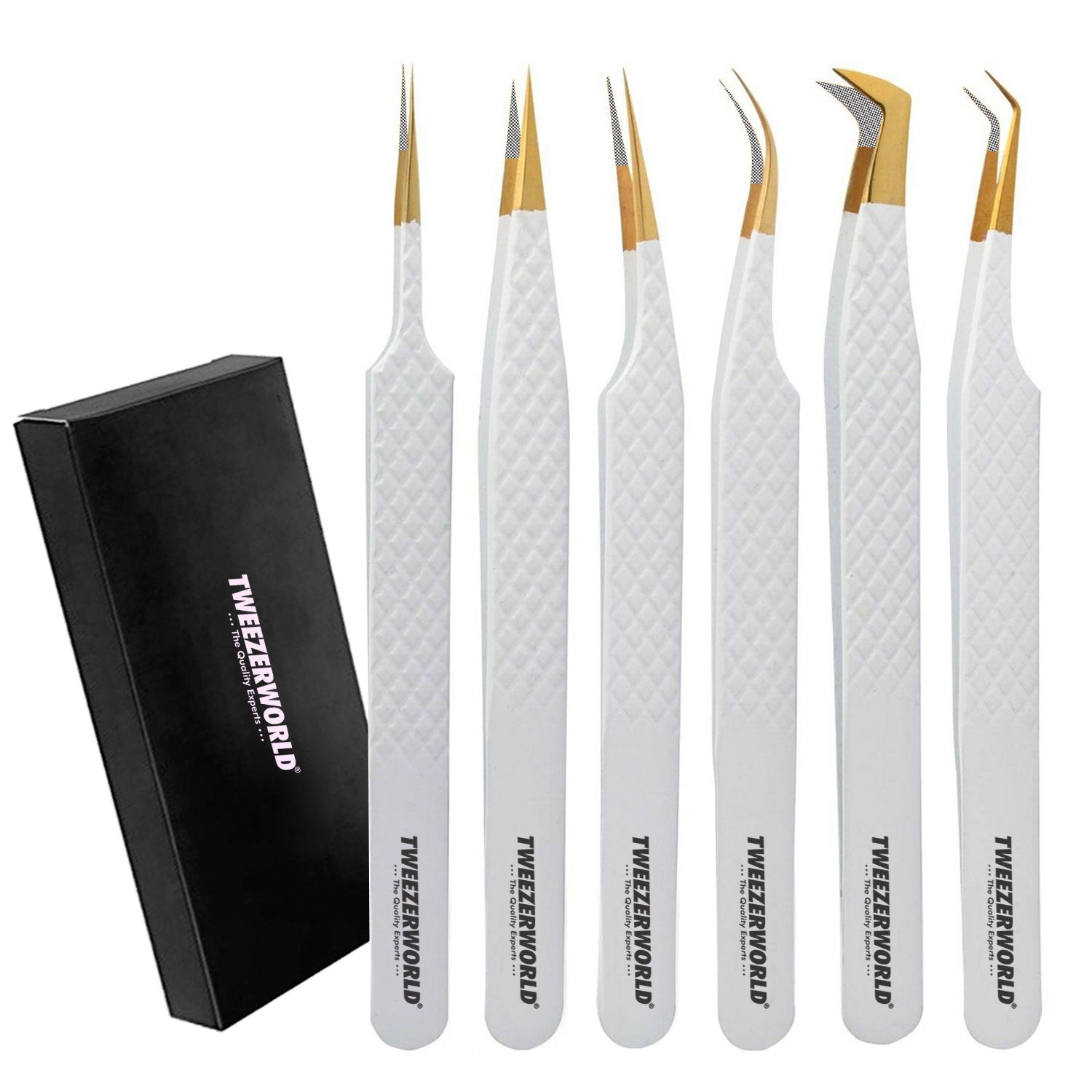
“Fiber tip” is a market description and should be supported by a controlled specification. Record whether the tweezer has a textured inner gripping surface, a separate insert or another construction. For each sample, inspect:
- Texture coverage and consistency
- Texture boundary and symmetry
- Loose particles, burrs or sharp unintended edges
- Visible contamination or polishing residue
- Transition between textured and polished surfaces
Photograph the tips under consistent magnification and lighting so the approved condition can be compared with production units.
3. Check Alignment and Closing Geometry
Inspect from the top, side and end views. The tips should meet as intended without crossing, twisting or sliding laterally. Record whether closure begins at the toe, heel, centre or across a defined contact area. This matters because two tweezers that look identical when fully closed may behave differently during partial closure.
Where practical, record the contact length, visible gap, offset and the handle position used for evaluation.
4. Classify Tension
Terms such as light, medium and firm are useful only when linked to a reference method. Measure closing force at a defined opening and location or compare the sample against a signed reference. Evaluate return action, arm symmetry and stability after repeated compression.
5. Test Pickup Performance Honestly
Pickup and fan-making results depend on lash diameter, strip, adhesive conditions, technique, grip position, hand pressure and operator experience. A sample that works well for one technician may not support a universal claim for every user.
Record the test variables:
- Lash diameter, curl and brand
- Technique used
- Number of operators
- Environmental conditions
- Pass/fail criteria
- Observed pickup, release and fan stability
Use statements such as “evaluated under the recorded test conditions” instead of guaranteeing a fixed fan capacity for all users.
6. Approve Finish, Branding and Packaging
Check coating color, polish, engraving position, logo size, model identification and surface defects. Confirm that branding does not interfere with grip or cleaning. The case or sleeve should keep the two tools separated, protect the tips and preserve the approved orientation during shipping.
7. Create the Golden-Sample Record
| Approval field | Required record |
|---|---|
| Sample identity | Model codes, date and supplier sample number |
| Controlled references | Drawing and specification revisions |
| Functional result | Test method, operators and observed outcome |
| Appearance | Finish, logo, color and tip photographs |
| Packaging | Case, sleeve, protector, label and barcode |
| Approval | Buyer and supplier sign-off |
Keep matched reference samples with the buyer and manufacturer. Production should be compared with both the physical sample and controlled documents.
8. Control Bulk-Production Consistency
Define critical, major and minor defects. Alignment, closing geometry, unsafe burrs, damaged tips and incorrect models may require 100% inspection. Texture coverage, tension, finish and packaging can be controlled with an agreed inspection plan supported by documented acceptance limits.
Require written approval before changes to material, texture process, tip geometry, tension setting, coating, marking, packaging or manufacturing location.
Browse two-piece fiber tip lash tweezer sets, explore the wider fiber tip lash tweezer collection, or review TWEEZER WORLD® private-label manufacturing and quality control.
Request a Two-Piece Private-Label Sample
Send your preferred shapes, finish, logo, packaging, target market and functional test requirements. We can discuss a controlled sample-approval plan before bulk production.
Email: tweezersworld@gmail.com
WhatsApp: +92 321 6194723
TWEEZER WORLD® — Established 2017 · Family Manufacturing Experience Since 1969.
Papular Products Gallery