
45° Smooth Tip vs Fiber Tip: How to Inspect the Contact Faces
The difference between a 45° smooth-tip tweezer and a 45° fiber-tip tweezer is not simply visible texture. Buyers should inspect how the two inner faces meet, where they contact and how that geometry behaves with the intended lash diameter and fan-making technique.
What “smooth tip” should mean
A smooth-tip model has comparatively plain inner contact faces rather than an intentionally machined texture. Inspect the surface under magnification for unintended ridges, burrs, pits or coating buildup. A polished appearance alone does not prove that the faces meet evenly.
View models assigned to the 45° Smooth Tip Lash Tweezers collection. Because this is a specification-led category, confirm the exact product rather than assuming every 45° model has smooth inner faces.
What “fiber tip” should mean
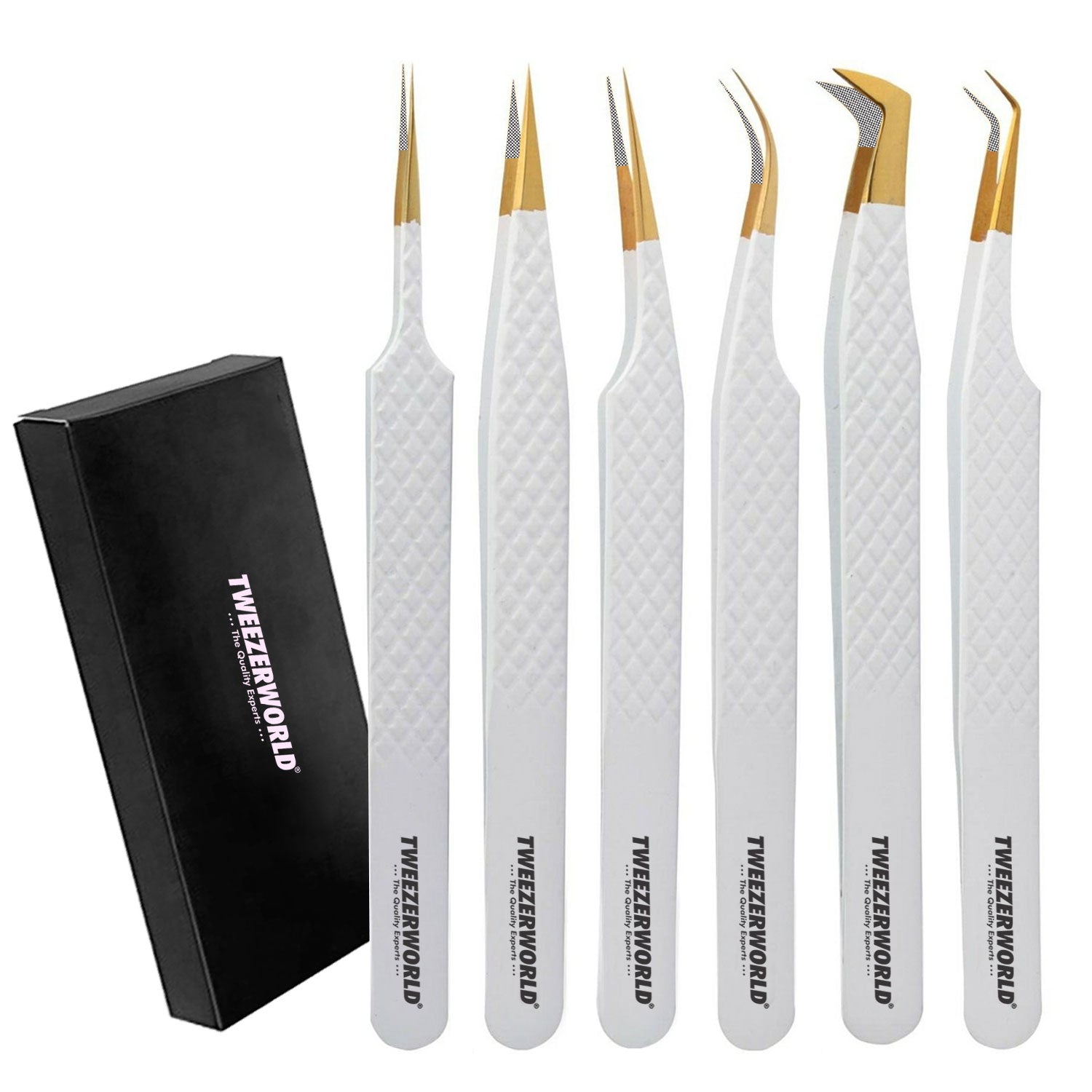
Fiber tip is a commercial term for deliberately textured contact faces designed to create additional contact points. The texture may be hex, straight-line, cross or another defined pattern. Buyers should ask the supplier to identify the pattern and inspect whether it is consistent across both faces.
Compare relevant options in the 45° Fiber Tip Lash Tweezers collection and the wider Fiber Tip Lash Tweezers hub.
Inspect the contact faces step by step
- Clean the tips: remove oil, adhesive residue or fibers without damaging the finish.
- Use controlled light: examine both inner faces under magnification from several angles.
- Check symmetry: compare face width, edge shape and texture position.
- Close slowly: observe first contact and whether the faces meet at the intended zone.
- Check gaps: look for light passing through unintended areas when appropriate for the geometry.
- Repeat: open and close several times to identify lateral movement or inconsistent seating.
Test with agreed lash material
A pickup test is meaningful only when the buyer records the lash diameter, curl, strip, quantity picked up, grip position and technique. Use the same material and method for smooth and fiber-tip samples. Test more than one location across the contact zone where the model is intended to work.
Texture does not automatically make one tweezer universally better. Some artists prefer the feedback and release of a smooth face; others prefer the additional contact of a textured face. Hand tension, angle and technique remain important.
Record sample acceptance
- Exact model and finish.
- Contact-face type or texture pattern.
- Tip length and relevant face dimensions.
- Alignment and first-contact observation.
- Tension test method and result, if specified.
- Pickup material, method and acceptance notes.
- Photographs and sample code.
Request a comparison sample
Tell TWEEZER WORLD your preferred 45° geometry, smooth or fiber-tip option, texture pattern, lash material, technique, finish and quantity. We can prepare model-specific comparison samples for your approval process. Request a 45° contact-face sample review.
Papular Products Gallery