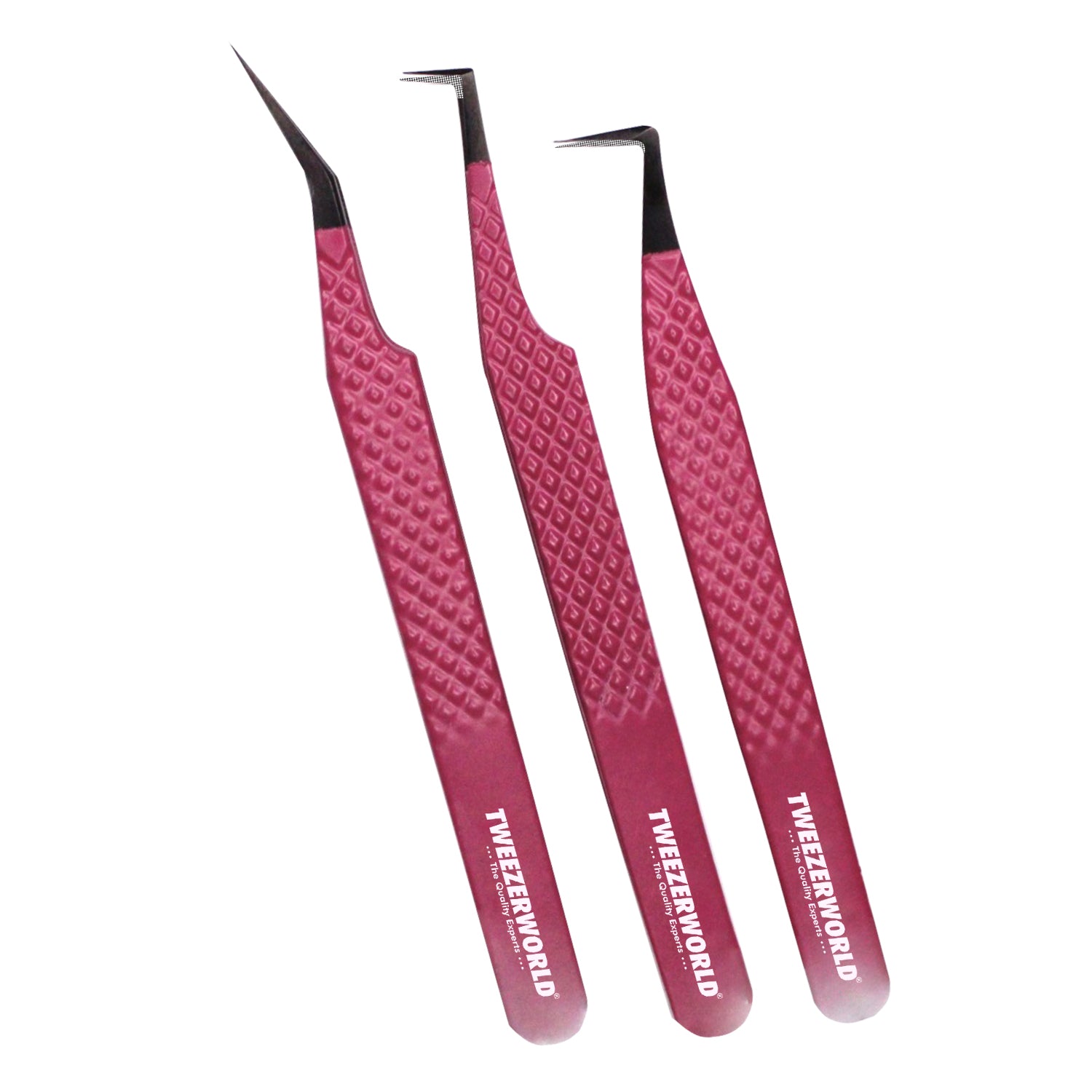

AI Server Maintenance Tweezers: Tool Selection Guide
AI Server Maintenance Tweezers: Tool Selection Guide
AI servers combine high-density compute modules, memory, storage, networking, cooling hardware and tightly routed cables inside a restricted service space. A technician may need to position a small fastener, release a light cable latch, recover a dropped washer, place an identification label or handle a delicate non-contact component. The correct tweezer can make those controlled tasks easier. The wrong tool can scratch a surface, deform a connector, create debris, slip into adjacent circuitry or introduce an electrostatic-discharge risk.
For that reason, an AI-server tweezer kit should not be selected from a general description such as “precision tweezers” or “anti-static tweezers.” Buyers should define the intended tasks, tip geometry, material, surface condition, closing force, ESD properties, cleaning method and inspection criteria for every tool in the set.
Safety note: This article is a tool-selection and procurement guide. Always follow the server manufacturer’s current service manual, site electrical-safety rules and ESD-control program. ESD-safe or conductive tweezers are not necessarily electrically insulated and should not be used on energized circuits unless the exact tool, task and procedure are expressly approved for that work.
Why AI Server Maintenance Requires Task-Specific Tweezers
An AI server is not simply a larger desktop computer. Depending on the platform, service areas can contain accelerator boards or trays, high-speed network adapters, memory modules, storage devices, board-to-board connections, sensor leads, cable retainers, optical transceivers, cooling assemblies and many small fasteners. Access may be limited by shrouds, fans, heatsinks and dense cable routing.
The tweezer must therefore match the object and the access path. A needle-point tool that is useful for retrieving a small screw may be unsuitable for touching a ribbon-cable tab. A rigid steel point may grip a metal retainer well but mark a coated surface. A soft polymer tip may protect a connector housing yet be too broad for work between closely spaced components.
NVIDIA’s current DGX H100/H200 safety guidance says servers should be serviced by technically qualified persons, stresses power-disconnection requirements for non-hot-plug work and recommends an ESD workstation or grounded wrist strap when handling parts. It also directs technicians to hold boards by their edges and place them on grounded, static-free surfaces. Review the applicable NVIDIA server safety guidance before planning a service procedure.
Start With the Service Task, Not the Tweezer Name
Before selecting a tool, classify the intended operation. Typical low-force tweezer tasks may include:
- Positioning or retrieving small, loose, non-energized fasteners
- Handling washers, clips or identification markers
- Guiding a light cable, pull tab or label where fingers cannot reach
- Holding a small part during visual inspection
- Placing protective caps or non-marring covers
- Removing non-adherent debris under an approved cleaning procedure
- Handling components at an ESD-protected repair bench after removal from the server
Tweezers should not be treated as pry tools, screwdrivers, cutters or substitutes for manufacturer-specified extraction tools. Do not use them to force connectors, bridge contacts, probe powered equipment, scrape circuit boards or defeat interlocks. Optical modules, accelerator trays, memory modules and cable assemblies often have defined handles, latches or extraction procedures; use those features as directed.
Recommended Tweezer Shapes for an AI Server Tool Kit
| Tweezer type | Suitable controlled tasks | Main advantage | Important limitation |
|---|---|---|---|
| Fine straight | Small fasteners, washers and inspection work on an open bench | Direct sight line and accurate point placement | Sharp tips can scratch surfaces or slip between contacts |
| Fine bent | Reaching around a low obstruction or approaching a part from the side | Improved visibility in congested areas | Bent tips can create more leverage than intended |
| Blunt or rounded | Guiding labels, tabs, sleeves and broader non-fragile items | Lower puncture and scratching risk | Too broad for very small or recessed parts |
| Long-reach | Retrieving a loose item from a deep, de-energized chassis area | Access without placing the hand inside a narrow space | Long arms reduce tactile feedback and can flex or contact adjacent parts |
| Reverse-action | Holding a lightweight part during bench inspection | Maintains grip without continuous finger pressure | Release direction can be unintuitive; unsuitable where a sudden drop creates risk |
| Replaceable non-marring tip | Painted, plated, polymer or cosmetic surfaces; selected optical-hardware tasks | Reduces direct metal-to-part contact | Tip material may wear, shed, absorb contamination or lack required ESD properties |
ESD-Safe Does Not Mean Electrically Insulated
This distinction should appear in every procurement specification and technician training document.
An ESD-control tool is intended to work as part of an electrostatic-discharge control system. Depending on its material and construction, it may be conductive or static dissipative. Its purpose is to avoid uncontrolled charge accumulation or discharge when used under defined conditions. Electrical insulation addresses a different hazard: protection against contact with hazardous voltage.
A black coating, colored handle or plastic tip does not prove either property. Ask the supplier for the measured electrical characteristic, test method, test conditions and applicable range. If electrical insulation is required, specify a tool designed, tested, rated and marked for the exact electrical application—and still follow the equipment manufacturer’s service procedure.
The ESD Association describes ANSI/ESD S20.20 as a framework for establishing an ESD-control program that includes grounding, personnel grounding, protected areas, packaging, training, product qualification and compliance verification. A tweezer is only one element within that larger program. See the ESD Association’s overview of ANSI/ESD S20.20.
Select the Contact Material
Stainless Steel
Stainless-steel tweezers can provide rigid, durable tips and good wear resistance for general mechanical handling. They are useful when the workpiece is not easily marked and when a firm, narrow point is required. However, “stainless steel” is not a complete specification. Alloy, hardness, magnetic response, finish and passivation can vary.
For AI-server work, buyers should define whether low-magnetic response is required and verify it with a stated test rather than relying on the phrase “non-magnetic.” Stainless steel also remains electrically conductive, so it must never be represented as electrical insulation.
Titanium
Titanium tweezers are lightweight, corrosion resistant and typically offer lower magnetic response than many steels. Their low mass can reduce hand fatigue in repetitive bench work. They can be appropriate around magnetically sensitive small parts when supported by a verified material specification.
Titanium is not automatically the best option for every job. Tip stiffness, wear, price and surface finish must be evaluated. “Titanium coated” is also different from a solid titanium construction, and the procurement document should not treat the two descriptions as interchangeable.
Carbon-Fiber-Reinforced or Engineering-Polymer Tips
Replaceable polymer-based tips can reduce marking and short-circuit risk during approved de-energized handling. Some formulations are designed to be static dissipative; others are electrically insulating. Those are different properties and must be confirmed for the exact compound.
Buyers should check tip wear, particle generation, chemical compatibility, heat resistance, cleaning limitations and replacement availability. A non-marring claim should be qualified because even a soft tip can trap abrasive contamination and scratch a sensitive surface.
Ceramic Tips
Ceramic-tip tweezers can offer electrical insulation, heat resistance and low magnetic response, depending on the ceramic and construction. They may be useful in selected bench operations. Their brittleness is a major limitation: a chipped ceramic tip can produce particles, create a sharp edge or fail suddenly. Inspection and replacement criteria are essential.
Choose Tip Geometry by Contact Risk
Tip width and shape determine how contact pressure is distributed. A very fine point concentrates force into a small area. That can help grip a tiny metal item but can damage solder mask, flexible circuits, polymer housings and optical surfaces. Broader tips spread force and are generally more forgiving, but they require more access space.
Specify at least:
- Tip style: pointed, rounded, flat, paddle or angled
- Closed-tip width and thickness at defined measurement points
- Inside contact-surface length
- Edge radius and permitted sharpness
- Smooth or textured gripping surface
- Maximum closed-tip gap
- Permitted lateral offset and crossing
- Whether contact begins at the point or across a broader zone
Aggressive serrations may improve grip on hard metal objects, but they can mark plated fasteners, cut labels or retain contamination. Smooth tips are easier to clean and less likely to imprint a part, although they may require more closing force. Match texture to a defined workpiece rather than specifying “maximum grip.”
Control Closing Force and Handle Tension
Technicians often judge tweezers by feel, but a procurement specification should use measurable criteria. Excessive spring tension increases fatigue and may crush a fragile part. Very low tension can reduce control and cause the tool to twist or release an item.
Define the closing-force test at a stated arm opening and measurement point. Record the test method, fixture and acceptable range. For replaceable-tip tools, test the complete assembled instrument because screw torque, tip seating and polymer stiffness can affect performance.
Special Considerations for Common AI-Server Areas
| Service area | Possible tweezer role | Preferred characteristics | Key caution |
|---|---|---|---|
| GPU/accelerator assembly area | Retrieving a loose washer or positioning a label during authorized bench work | ESD-compatible, controlled tension, rounded or fine tip selected by task | Never pry modules, touch contacts or substitute for the specified extraction tool |
| Memory and system board | Handling a small loose item away from contact areas | Fine ESD tool with good visibility and verified alignment | Handle boards and modules by approved edges or handles |
| High-speed network and optical modules | Placing a dust cap or guiding a non-fragile pull tab if permitted | Rounded, smooth, non-marring contact surface | Do not touch optical end faces; use specified cleaning tools and module latches |
| Cable-management area | Guiding a lightweight label or accessible cable sleeve | Bent or blunt tip with low closing force | Do not pull conductors, damage insulation or force connector locks |
| Fan and cooling zone | Recovering a loose item only after the system is safely de-energized and motion has stopped | Long-reach, blunt, highly visible tool | Observe hot-surface, stored-energy and moving-fan hazards |
| Repair bench | Inspection, positioning and controlled handling of removed parts | Task-specific ESD set, grounded workspace and clean storage | Bench handling must remain inside the site’s ESD-control process |
IBM similarly advises that static-sensitive boards and adapters should remain in protective packaging until needed, be handled by their edges and be used with appropriate grounding controls. Read IBM’s current guidance on handling static-sensitive devices.
Cleaning, Contamination and Tool Storage
A visually clean tweezer can still transfer oil, adhesive, metal particles or fiber debris. Establish a cleaning method compatible with the body material, coating, joints, replaceable tips and the site’s contamination-control policy.
A practical control plan may include:
- Dedicated tools for optical, board-level and general mechanical tasks
- Individual tip guards or fitted storage slots
- Pre-use inspection under defined lighting and magnification
- Approved wipes and cleaning agents
- No abrasive reworking by technicians unless a controlled repair procedure exists
- Replacement of chipped, bent, corroded, loose or contaminated tips
- Tool identification and issue records for controlled service kits
Do not assume that an ESD coating will tolerate every solvent. Repeated cleaning can change surface resistance, soften a polymer, remove markings or loosen bonded components. Require compatibility information and define an end-of-service-life inspection.
Distributor and OEM Procurement Specification
Distributors should request a separate line-item specification for each tweezer rather than purchasing an unnamed mixed set. The following fields provide a useful starting point.
| Procurement field | Recommended requirement |
|---|---|
| Model | Unique reference linked to the drawing, label and inspection record |
| Intended task | Defined part, access condition and prohibited uses |
| Overall geometry | Straight, bent, blunt, long-reach or reverse action |
| Material | Exact stainless-steel, titanium, ceramic or polymer specification |
| ESD property | Required resistance range, test method, conditioning and test voltage where applicable |
| Electrical claim | No insulation claim unless supported by a relevant rated-tool standard and evidence |
| Tip dimensions | Width, thickness, angle, radius and tolerance at marked measurement points |
| Alignment | Maximum lateral offset, crossing and closed-tip gap |
| Closing force | Acceptable range at a defined opening and measurement location |
| Surface finish | No burrs, pits, loose coating, sharp unintended edges or embedded residue |
| Replaceable tips | Part number, attachment method, screw torque and spare availability |
| Cleaning | Approved agents, method, drying and material-compatibility statement |
| Marking | Model, brand and lot or traceability code where required |
| Packaging | Individual protection that prevents tip impact and contamination |
| Inspection | Defined sampling plan plus 100% checks for agreed critical characteristics |
| Change control | Written approval before changes to material, coating, tip geometry, supplier or process |
Suggested AI Server Maintenance Tweezer Set
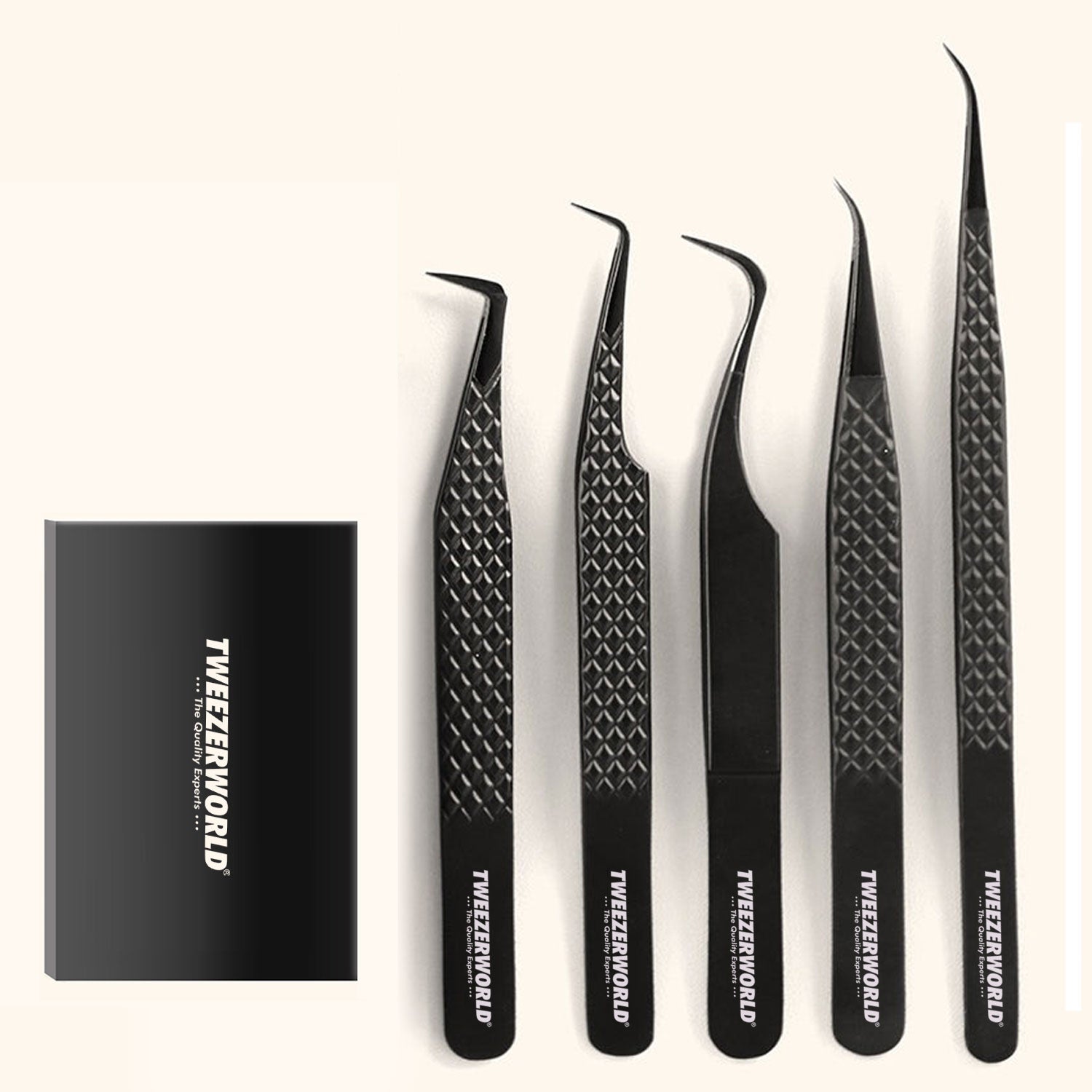
A balanced technician set may contain five tools:
- Fine straight ESD-compatible tweezer for controlled handling of small hard parts.
- Fine bent ESD-compatible tweezer for improved visibility around low obstructions.
- Rounded blunt-tip tweezer for labels, sleeves and broader contact areas.
- Replaceable non-marring-tip tweezer for selected coated or polymer components.
- Long-reach blunt tweezer for safe retrieval from a de-energized, unobstructed chassis area.
The final set should be validated against the buyer’s actual server fleet and approved maintenance procedures. A tool suitable for one chassis or component family may not be appropriate for another.
Incoming Inspection and Acceptance
Before approving production, compare the tools with a controlled drawing and signed golden sample. Inspection should include:
- Overall length and tip dimensions
- Tip alignment at rest and under the defined closing force
- Closing force and return action
- Burrs, cracks, chips, coating damage and contamination
- Replaceable-tip seating and fastener security
- Electrical-resistance testing where an ESD property is specified
- Marking legibility and model identification
- Tip protection and kit completeness
Do not approve performance from catalogue photographs alone. Ask for samples and test them with representative dummy parts or retired components under the same access, lighting, glove and workstation conditions technicians will use.
Common Procurement Mistakes
- Buying one ultra-fine tool for every task: fine points concentrate force and are easily damaged.
- Treating “anti-static” as a complete specification: require a property range and test method.
- Confusing ESD control with electrical safety: conductive and dissipative tools may present an electrical-contact hazard.
- Ignoring cleaning compatibility: coatings and replaceable tips can change after repeated solvent exposure.
- Overlooking technician ergonomics: excessive tension and poor grip geometry reduce control during repeated work.
- Allowing undocumented substitutions: a material or tip compound change can alter ESD, wear and contamination performance.
Frequently Asked Questions
What tweezers are best for AI server maintenance?
There is no single best shape. A useful set normally combines fine straight, fine bent, rounded blunt, non-marring and long-reach tools. Each must be approved for a defined task and used within the server manufacturer’s service procedure.
Are stainless-steel tweezers ESD safe?
Steel is conductive, but material conductivity alone does not establish that a complete tool is suitable for a particular ESD-control program. Evaluate the complete tweezer, its finish or grips, the workstation grounding scheme and the required test method.
Do ESD-safe tweezers protect technicians from electric shock?
No. ESD control and electrical insulation are different. Many ESD tools are intentionally conductive or dissipative. De-energize equipment and follow the product-specific safety procedure unless an authorized live-work process explicitly states otherwise.
When should non-marring tips be used?
They can be useful for selected coated, polymer or cosmetic parts where metal contact could leave a mark. The claim should be qualified because trapped particles, excessive force or worn tips can still damage a surface.
Can tweezers be used to remove optical transceivers?
Use the module’s specified bail, pull tab or manufacturer-approved extraction tool. Tweezers may only assist with a minor task such as positioning an approved dust cap if the procedure permits it. Never touch the optical end face.
How should a distributor verify tip alignment?
Define the viewing direction, magnification, closing force, contact zone, maximum lateral offset and maximum gap. Inspect against a controlled drawing rather than relying on a subjective “perfect alignment” claim.
Build a Tool Set Around the Procedure
AI server maintenance demands disciplined tool selection. The correct tweezer is determined by the serviced component, available access, contact sensitivity, ESD-control environment and approved procedure—not by a broad marketing label.
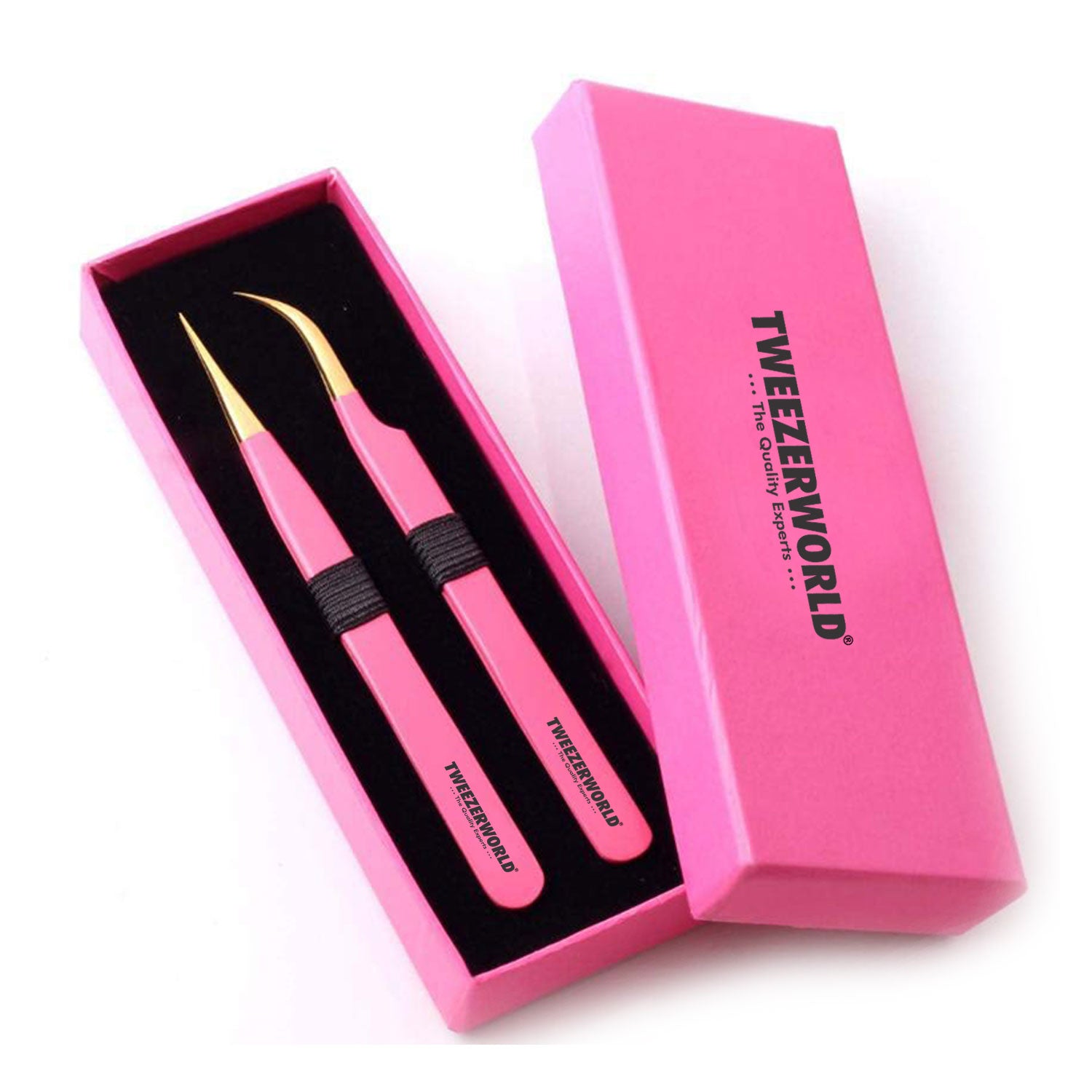
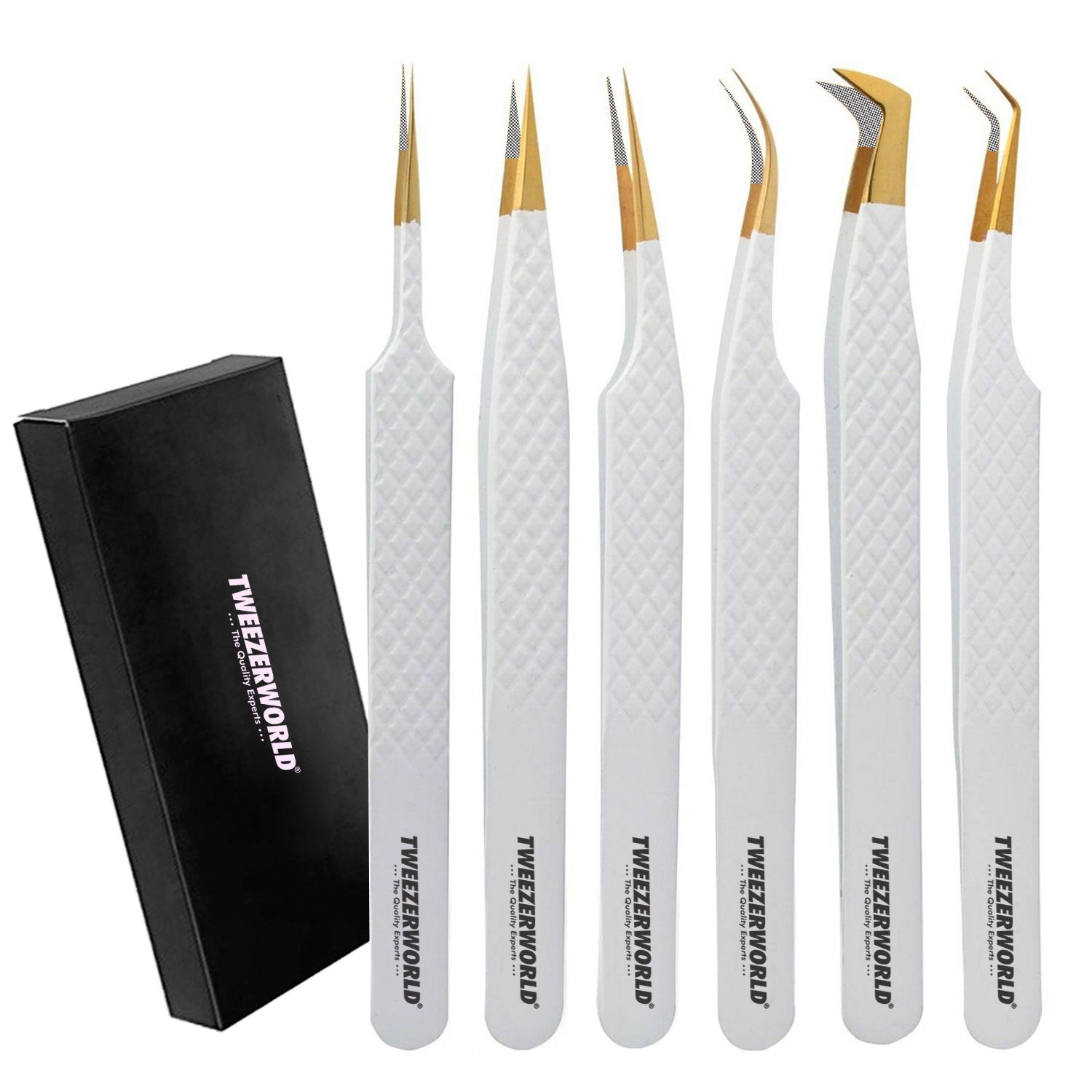
TWEEZER WORLD® supports distributors, data-centre tool suppliers and OEM brands with custom tweezer shapes, material options, replaceable tips, private-label marking, protective cases and agreed inspection requirements. Explore our anti-static tweezer collection and OEM and private-label manufacturing capabilities.
Request an AI Server Maintenance Tweezer Set
When requesting a quotation, provide the server platforms, representative tasks, preferred tip materials, ESD requirements, quantity, branding, packaging and destination market. Final suitability should be confirmed using approved samples and the buyer’s maintenance procedures.
Choose an AI Optical Handling Category
Specify your task as Optical Component Handling; VCSEL/PIC Evaluation Tools; Transceiver Assembly & Inspection Tools; Fine Electronics/Connector Handling; or ESD-Controlled Models supported by model-specific testing. Submit the component drawing, permitted contact zones, required closing force and acceptance criteria for sample evaluation.
Compare the five handling categories and required evidence. ESD suitability requires documented results for the exact configuration. Ceramic or coated tips alone do not qualify a model.
Papular Products Gallery