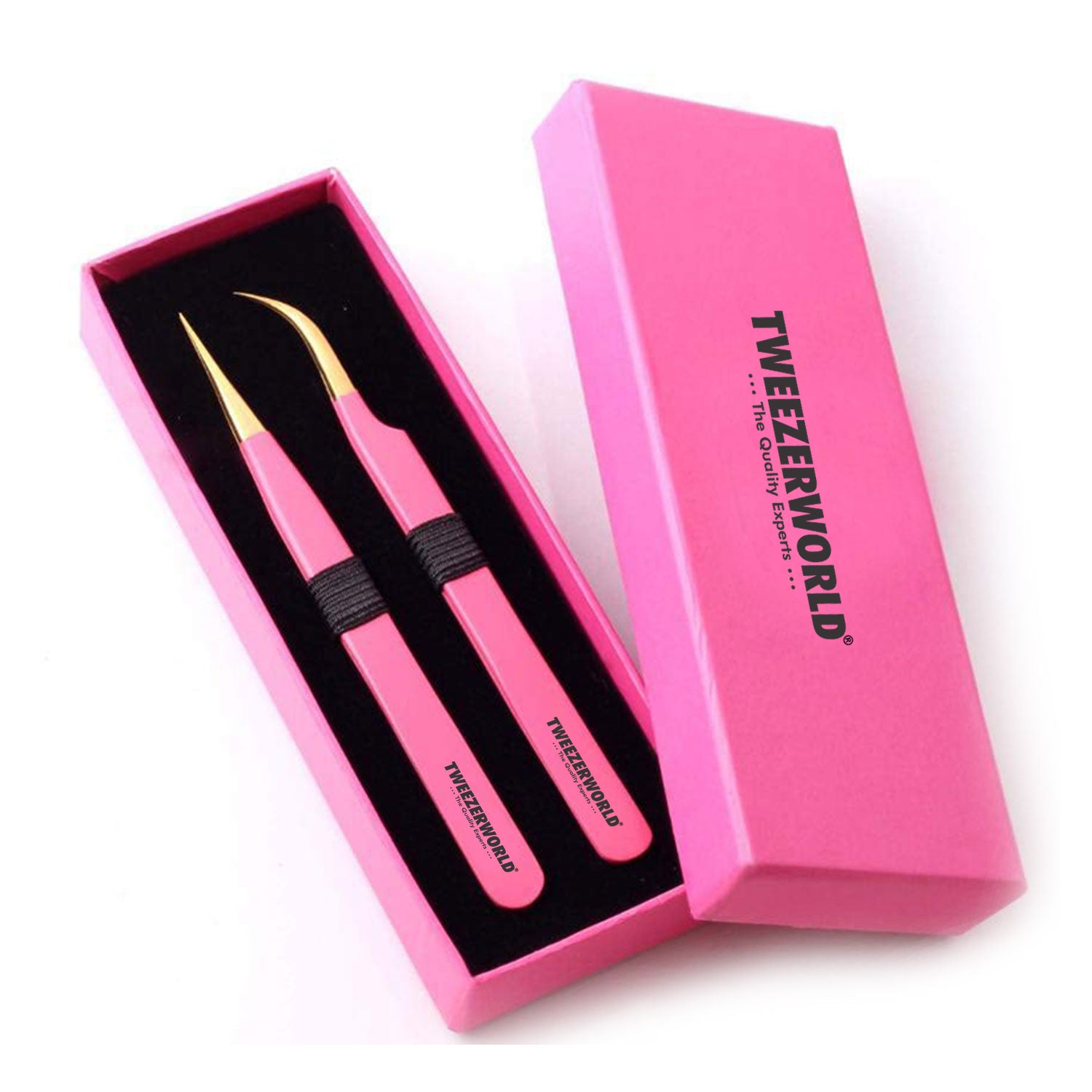

FUE Forceps Procurement: Intended Use and Documentation First
FUE forceps procurement should start with intended use and responsibility. A distributor must know how the product will be represented, who will evaluate it, which market requirements apply and what evidence the supplier can actually provide. A catalogue image is not a qualification file.
1. Write the intended-use statement first
State the planned user, task, environment and market. Clarify whether the item is being sourced as a general-purpose instrument, a professional-use tool or another regulated category. Classification and market-access obligations vary by jurisdiction and claims; the responsible business should obtain qualified regulatory advice rather than relying on a supplier’s informal description.
2. Separate requested evidence from verified evidence
| Review area | What to request | Buyer action |
|---|---|---|
| Product identity | Model, drawing revision, dimensions and photographs | Confirm that every document refers to the same item |
| Material | Declared grade and agreed supporting record | Verify scope, issuer, lot link and consistency |
| Tip geometry | Tip profile, opening, alignment and contact-zone limits | Measure against a controlled method |
| Manufacturing controls | Inspection points, sampling plan and nonconformance process | Review whether controls match purchasing risk |
| Traceability | Lot coding and shipment record format | Test whether a sample can be traced backward |
| Claims | Exact labels, instructions and promotional language | Approve claims only after evidence and legal review |
3. Evaluate samples under a written protocol
Define the sample quantity, examiner competence, inspection tools, representative materials and acceptance criteria before the samples arrive. Check symmetry, alignment, edge condition, closing action, grip consistency and visible contamination. Any task simulation should be ethical, lawful and supervised by appropriately qualified personnel. Sample acceptance is not a substitute for regulatory or clinical evaluation.
4. Control packaging and cleanliness language
Specify individual or bulk packaging, protective tip covers, label fields, lot marking and transit protection. Terms such as “sterile,” “surgical,” “medical grade,” or specific cleaning and reprocessing claims require substantiation and must not be assumed. If the supplier has not provided verified evidence, record the attribute as pending verification.
5. Establish change control before ordering
Require notice before changes to material source, geometry, finish, tooling, manufacturing site, inspection method, packaging or labeling. Define whether a new sample and document review are required. This is especially important when a distributor’s catalogue, customer approval or local compliance file depends on a stable configuration.
A practical approval gate
- Intended use and target market documented.
- Regulatory responsibilities assigned.
- Drawing and product identity matched.
- Material evidence reviewed to the agreed level.
- Sample protocol completed with recorded results.
- Label and promotional claims approved.
- Lot traceability and change notification agreed.
Important: This purchasing guide is not medical, legal or regulatory advice. Buyers should use qualified specialists for their market and intended use.
Explore related TWEEZER WORLD collections
For custom geometry, finishes, inspection requirements or private-label packaging, review our manufacturing capabilities and wholesale program.
Build a purchase specification with TWEEZER WORLD
For OEM, wholesale or distributor enquiries, share the intended task, target geometry, quantity, packaging needs and the records you expect with each shipment. Ask for a controlled sample before approving bulk production.
Review the wholesale program or contact TWEEZER WORLD. Email: tweezersworld@gmail.com · WhatsApp: +92 321 6194723.
Papular Products Gallery