
How to Investigate High Traffic With Low Ecommerce Conversion
More sessions do not automatically produce more orders. A manufacturer-led Shopify store can attract researchers, distributors, engineers, existing customers and automated requests alongside shoppers. When traffic increases but sales remain flat, the right response is to diagnose where qualified buyers stop instead of immediately buying more visits.
This guide explains a repeatable way to investigate high website traffic with low ecommerce conversion, especially for specialist B2B catalogs, sample orders and wholesale inquiries.
1. Confirm the Numbers Before Drawing Conclusions
Use the same date range and comparable attribution settings for both periods. Capture sessions, online-store visitors, add-to-cart sessions, checkout sessions, completed checkouts, orders and revenue. Where possible, distinguish online-store orders from draft orders, manual invoices, quotation sales and offline B2B transactions.
Record the difference between sessions and people. One visitor may make several visits; a session increase is not automatically an increase in potential buyers. Review the tracking setup before treating a reported zero as proven commercial failure.
2. Calculate the Funnel by Stage
| Stage | Practical metric | Question to answer |
|---|---|---|
| Visit to product discovery | Engaged product/collection sessions ÷ total sessions | Are visitors seeing products that match their intent? |
| Product to cart | Sessions with cart additions ÷ sessions | Are product information, prices and availability convincing? |
| Cart to checkout | Sessions reaching checkout ÷ cart-addition sessions | Do unexpected terms, shipping or account requirements create friction? |
| Checkout completion | Sessions with completed checkout ÷ sessions reaching checkout | Do payment, delivery or usability problems stop purchases? |
| Business inquiry | Qualified inquiries ÷ relevant business sessions | Are wholesale and OEM visitors converting through other channels? |
Compare each stage by device, country, channel and landing page. Do not treat all traffic as equivalent: an international engineering researcher may want a technical data sheet or an evaluation quotation rather than a one-piece online checkout.
3. Investigate Traffic Quality and Attribution
Segment sessions into organic search, paid campaigns, referrals, email, social and direct. A very high share of direct visits deserves closer review, but is not proof of bot traffic. It can also reflect missing campaign parameters, privacy controls, tracking configurations, links in documents or messaging apps, or measurement limitations.
- Compare the countries and regions generating sessions with markets you actually serve.
- Look for unusual spikes at particular times, repeated landing pages or extremely short engagement.
- Compare Shopify figures with Google Search Console organic clicks and independently configured analytics.
- Check referral domains and campaign tracking parameters before attributing growth to SEO.
- Separate any identifiable suspicious automated patterns; do not silently delete data or claim a specific bot source without proof.
4. Inspect the Product Page Like a Buyer
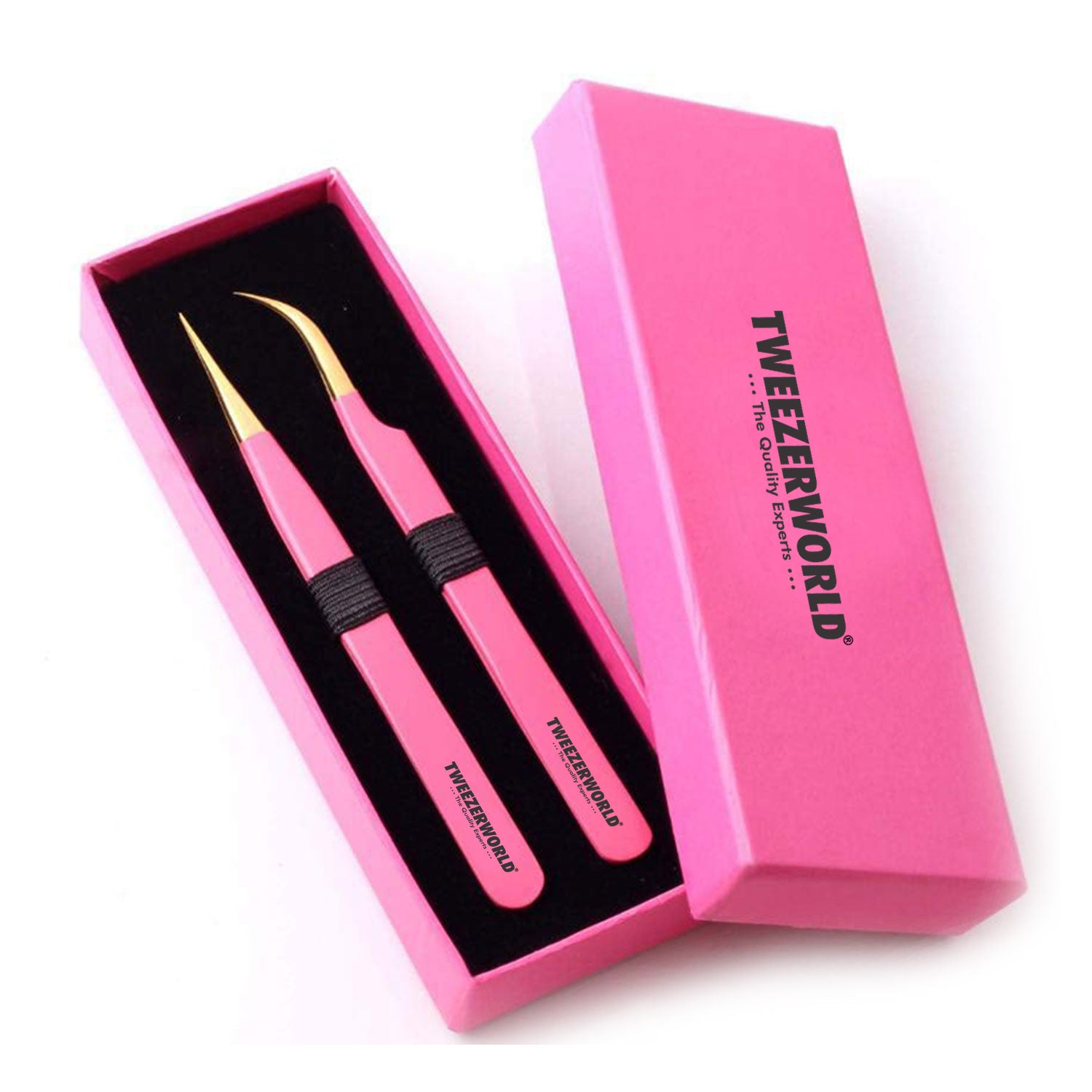
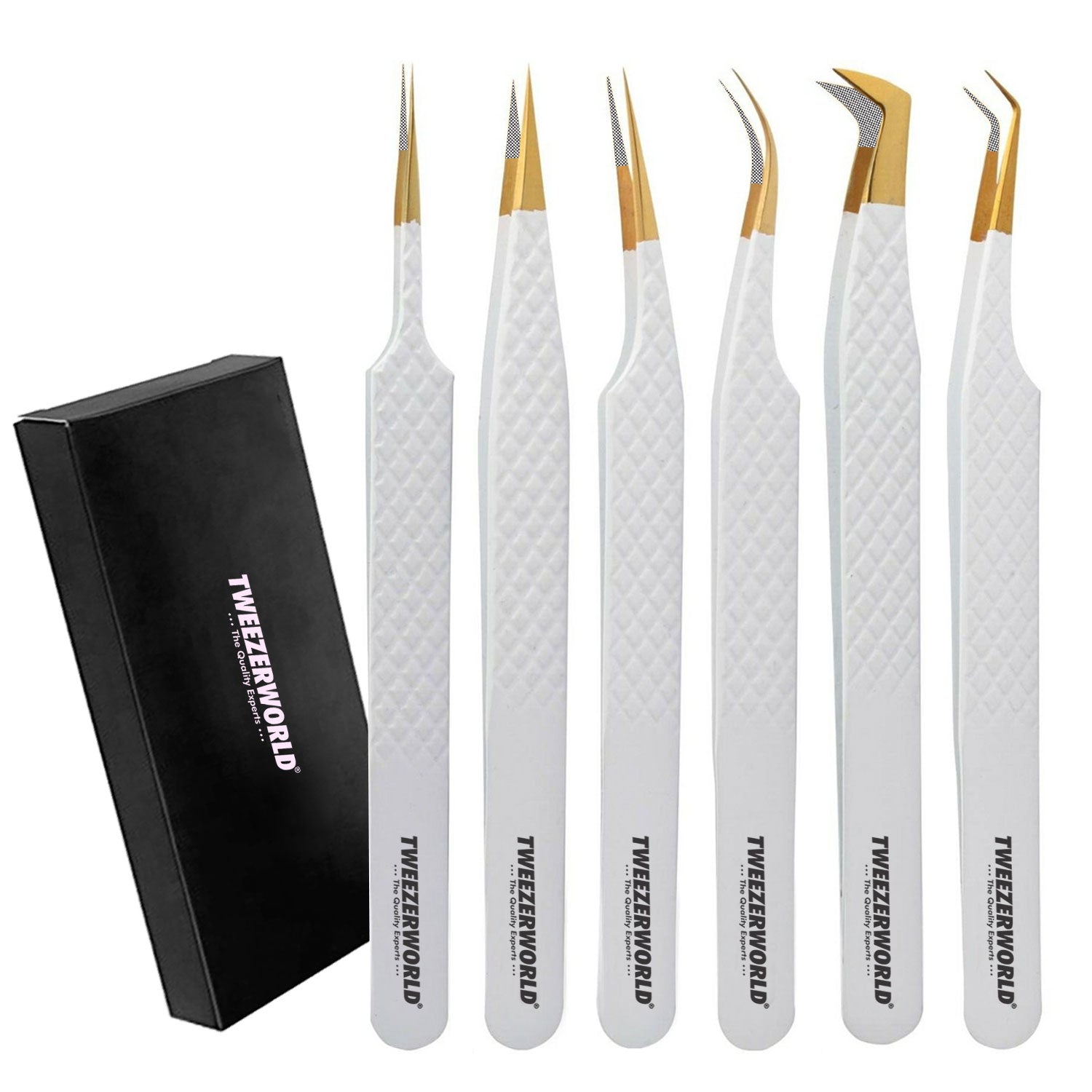
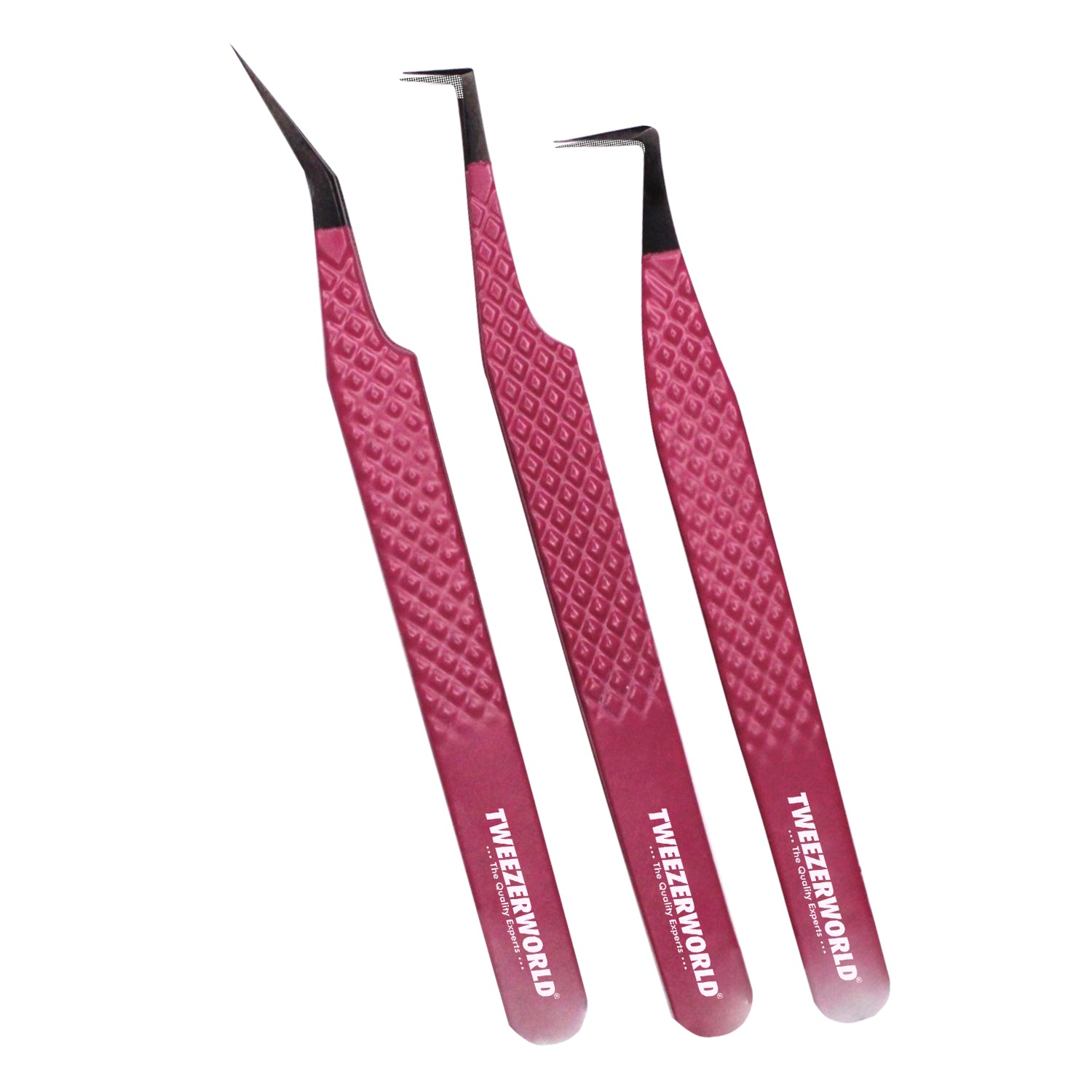
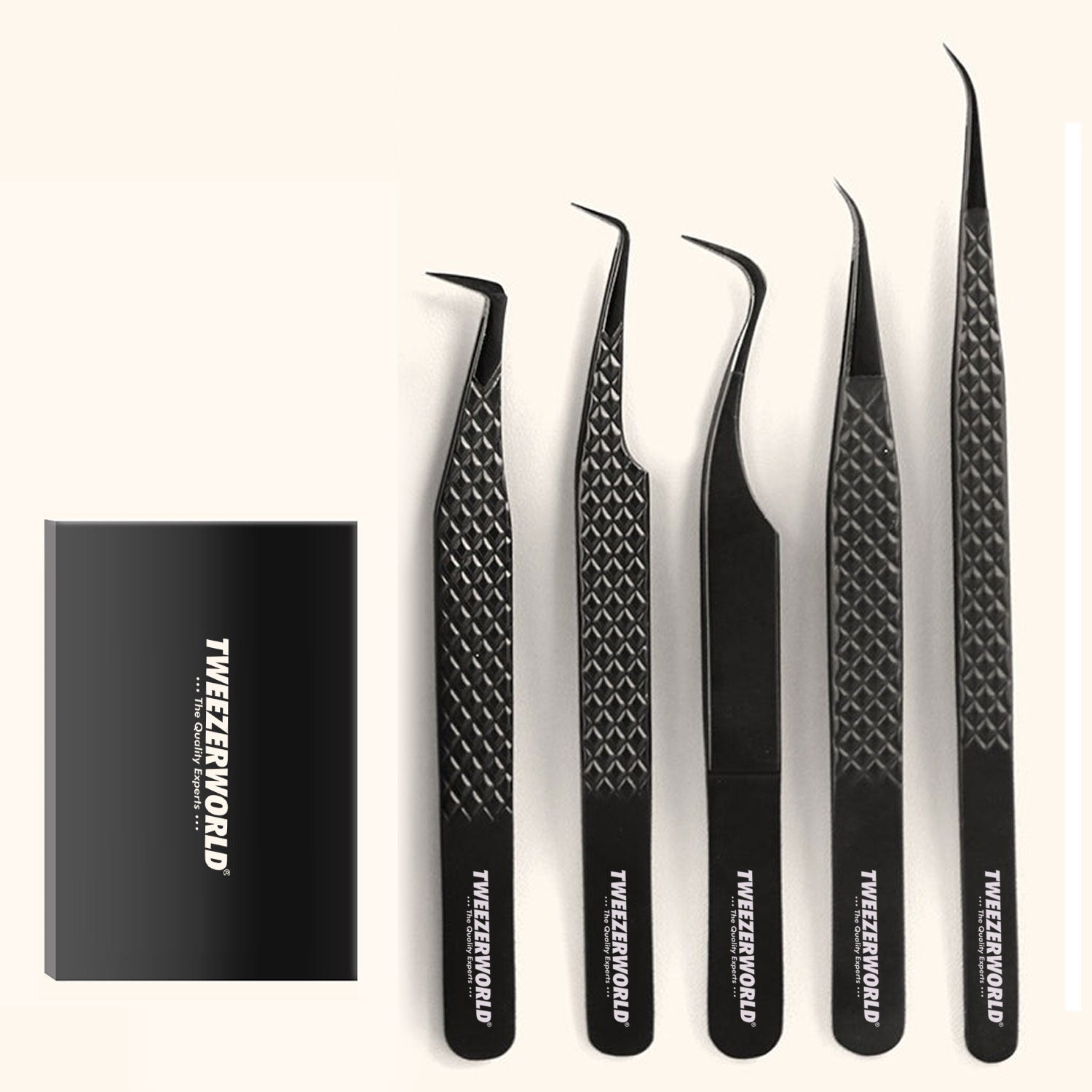
A technical buyer needs more than a photograph and a generic description. Verify model identity, dimensions, material, tip geometry, intended use, images, quantity units and the actual purchase route. Prices shown as $0.00, unclear stock labels or contradictory specifications can cause confusion and must be resolved against genuine catalog records.
For tweezers and precision tools, offer accurate comparison information. For bulk buyers, make the request-for-quotation route clear without forcing them to pretend they are buying a single retail unit.
5. Audit the Checkout Without Interrupting Real Orders
Check shipping destinations, duties/taxes disclosures, delivery rates, checkout fields and available payment methods. Use a controlled test order as described by Shopify's official test-order guidance.
Production caution: Shopify states that placing the store in a payment test mode can prevent customers from completing live payments. Do not turn that mode on during normal trading without planning a controlled maintenance window and confirming how to restore real payments.
When testing, record the exact product, destination, selected shipping method, payment behavior and any error message; do not collect real customer card information in your test notes.
6. Measure B2B Conversions Separately
Manufacturer websites may generate quote submissions, WhatsApp conversations, catalog downloads, paid samples or purchase orders that never appear as immediate Shopify checkouts. Set up conversion events or a CRM record for each meaningful inquiry, then deduplicate multiple contact attempts from the same business.
- Separate retail orders from distributor RFQs.
- Record the product family, target country, estimated quantity and project stage in each verified inquiry.
- Track sample-request-to-paid-sample and sample-to-bulk conversions where evidence exists.
- Review response time and whether the buyer received a useful specification or quotation.
7. Test One Hypothesis at a Time
Rank problems by business impact. Start with a reproducible broken checkout or conflicting price, then improve major collection navigation and product confidence signals. For each change record the date, affected URL, before/after metric, traffic source and any concurrent campaign changes. A single day's improvement is not proof of causality.
30-Minute Diagnostic Worksheet
| Check | Evidence to save | Owner |
|---|---|---|
| Sessions and attribution | 28-day channel and landing-page breakdown | Analytics |
| Product and collections | Price, inventory, descriptions, CTAs | Merchandising |
| Shipping and payments | Country-specific checkout test results | Store operations |
| OEM and wholesale leads | Quote, sample and contact-event counts | Sales |
| Post-fix review | Comparison of relevant funnel rates | Marketing |
Frequently Asked Questions
Does high traffic with zero orders prove that visitors are bots?
No. It is a signal to investigate attribution, buyer intent, catalog conditions, payment/shipping issues and tracking quality. No single aggregate metric identifies bots.
What is the first metric to examine?
Locate the largest drop-off between relevant visits, product engagement, add-to-cart, checkout and completed purchases. If your business primarily sells wholesale, track qualified inquiries as a parallel funnel.
Can a manufacturer have healthy B2B demand without Shopify orders?
Yes, but only when actual RFQs, accepted samples, invoices or purchase orders verify that demand. Report these separately rather than assuming every direct visit is a prospect.
Next Step for TWEEZER WORLD Buyers
If your project requires wholesale precision tweezers, private-label lash tools or technical evaluation samples, explore our Lash Tweezers collection, Precision Tweezers, and OEM manufacturing information. Contact TWEEZER WORLD with the intended application, quantity and target market.
Operational reference: Shopify's guide to finding and fixing ecommerce funnel leaks.
Papular Products Gallery