
How to Sharpen Tweezers
How to Sharpen Tweezers: A Professional Guide to Restoring Precision
High-quality tweezers are essential tools for grooming, beauty treatments, lash applications, and precision work. However, even the best tweezers can lose their grip over time. Knowing how to sharpen tweezers properly can help restore accuracy, extend their lifespan, and maintain professional results.
In this guide, we’ll explain why tweezers become dull, how to sharpen tweezers at home, and when replacement is the better option.
Why Tweezers Lose Their Sharpness
Tweezers rely on perfectly aligned, sharp tips to grip hair or small objects effectively. Over time, sharpness can be reduced due to:
-
Frequent use on coarse hair
-
Dropping tweezers on hard surfaces
-
Improper storage without tip protection
-
Residue buildup from oils, makeup, or adhesives
When tweezers slip, fail to grip fine hair, or require repeated attempts, sharpening may be necessary.
Tools You Need to Sharpen Tweezers
To sharpen tweezers safely and effectively, prepare one of the following:
-
Fine-grit sandpaper (600–1,000 grit recommended)
-
Emery board or nail file
-
Sharpening stone (ideal for professional stainless steel tweezers)
-
Rubbing alcohol
-
Lint-free cloth
Using a fine abrasive surface is crucial to avoid damaging the precision tips.
How to Sharpen Tweezers at Home: Step-by-Step
1. Clean the Tweezers
Before sharpening, clean the tweezers thoroughly with rubbing alcohol. This removes residue and ensures even sharpening.
2. Sharpen the Inner Edges
-
Gently close the tweezers
-
Place the sandpaper or emery board between the tips
-
Apply light pressure and pull the tweezers across the abrasive surface
-
Repeat 10–15 times using smooth, controlled strokes
This step restores grip by refining the inner edges where contact occurs.
3. Refine the Outer Edges (Optional)
For slanted or pointed tweezers, lightly glide the outer edge along the sandpaper at the original angle. This helps maintain a sharp, defined tip without altering its shape.
4. Check Tip Alignment
Hold the tweezers up to a light source:
-
The tips should meet evenly
-
No visible gaps should appear
If needed, gently realign using light pressure.
5. Test the Performance
Test the tweezers by gripping:
-
A fine hair
-
A thin thread
-
A piece of tissue
If the grip is firm and precise, sharpening was successful.
How to Keep Tweezers Sharp Longer
Proper care can significantly extend the life of your tweezers:
-
Store tweezers with a protective cap
-
Clean after each use
-
Avoid dropping or squeezing too tightly
-
Use the correct tweezers for the task
For example, eyebrow tweezers should not be used for crafts or hard materials, while lash extension tweezers should be reserved for professional lash work.
Can All Tweezers Be Sharpened?
Not all tweezers respond well to sharpening. You may need to replace tweezers if they are:
-
Severely bent or misaligned
-
Chipped or cracked at the tips
-
Made from low-quality metal
High-grade stainless steel tweezers, like those found in professional collections, hold their edge longer and sharpen more effectively.
When to Replace Tweezers Instead of Sharpening
If sharpening no longer improves grip, replacement is the safest choice—especially for professional or hygienic environments. Precision matters most when working with eyebrows, facial hair, or lash extensions.
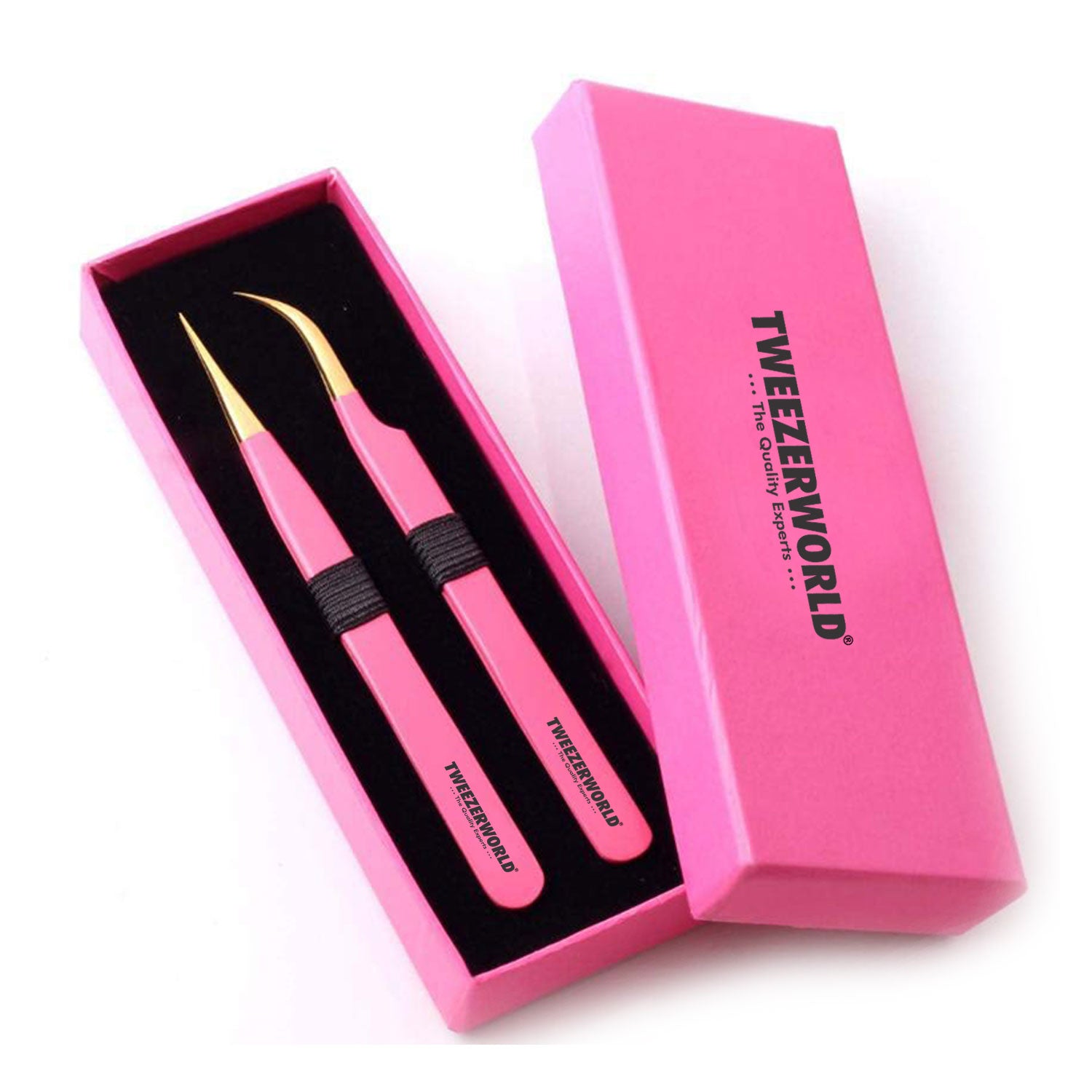
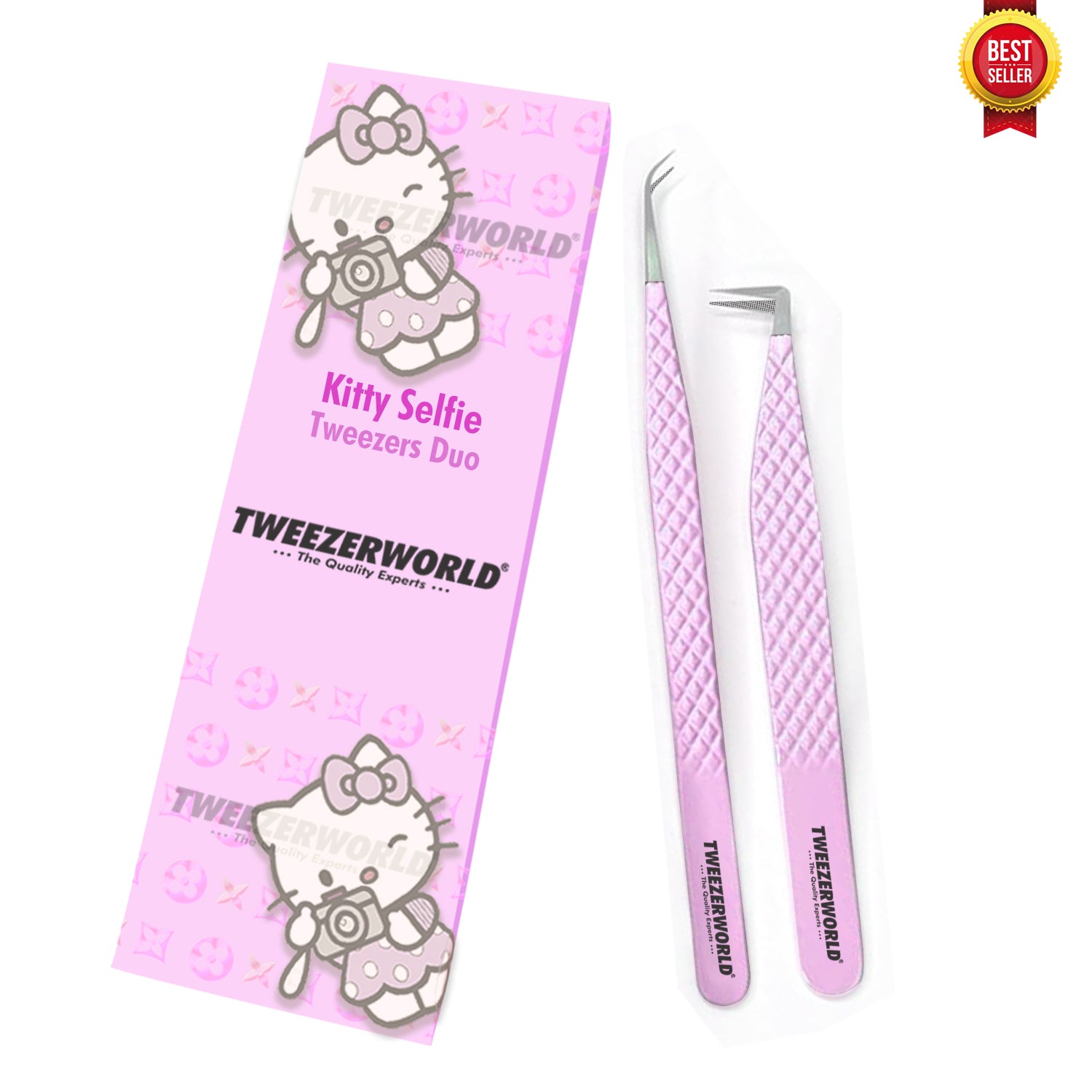
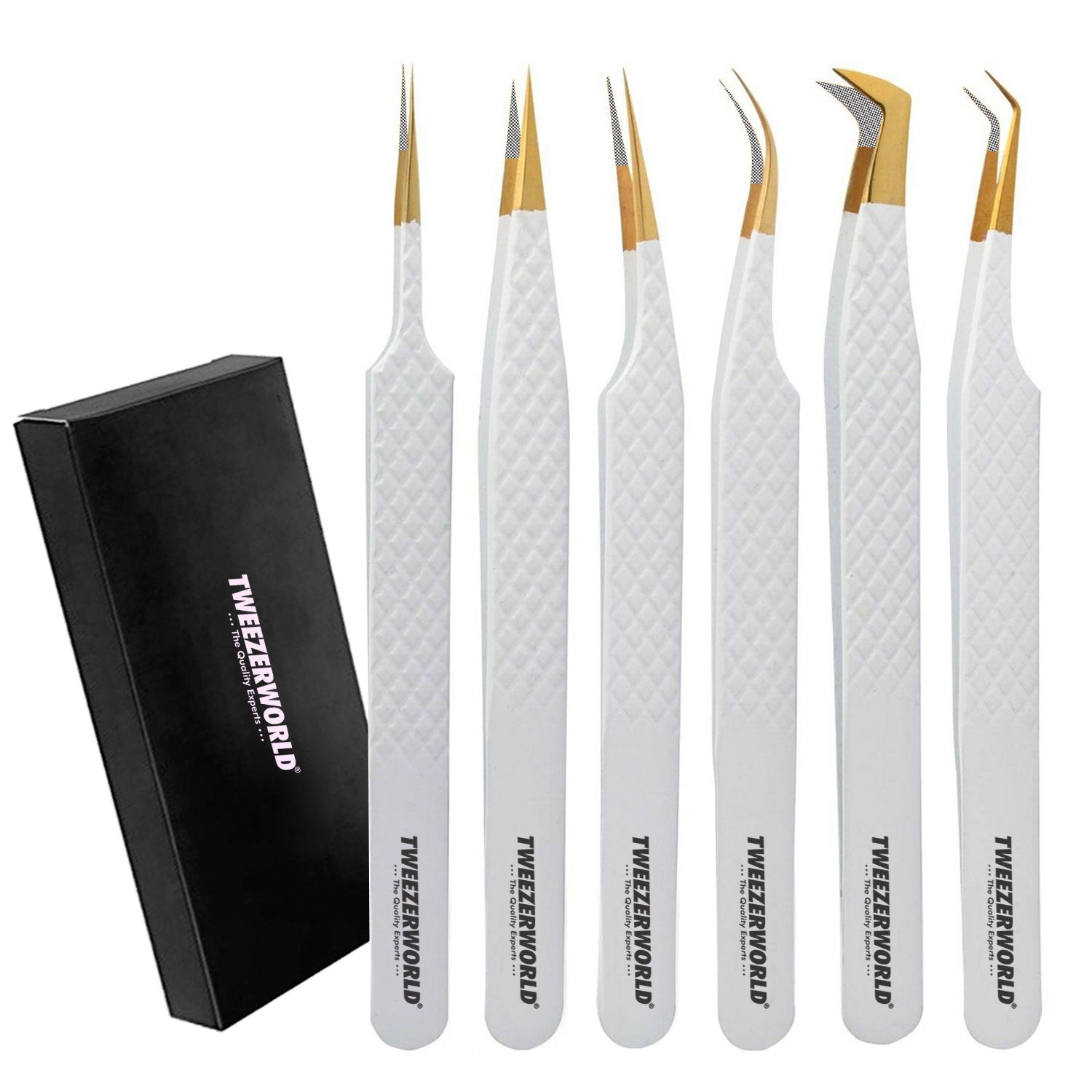
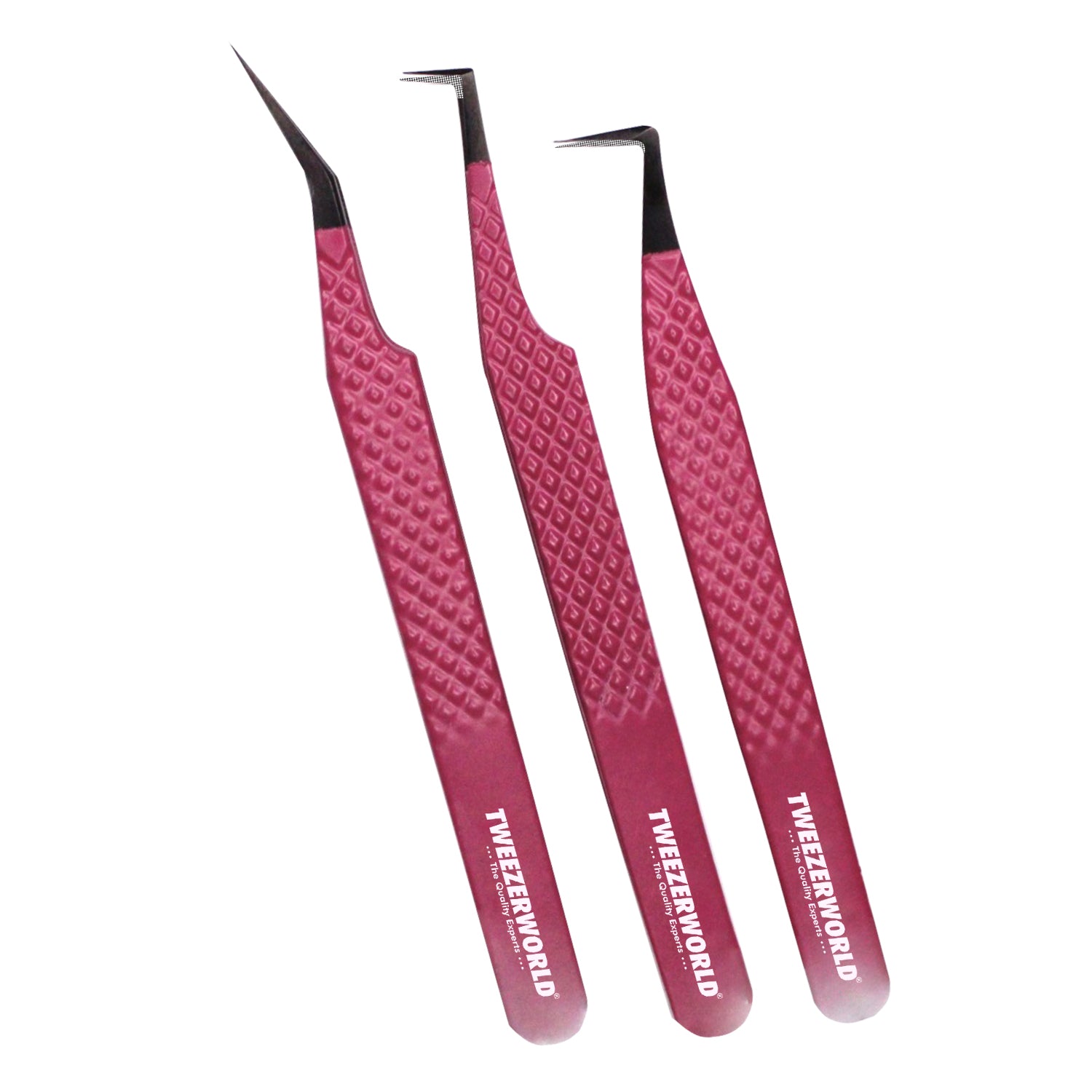
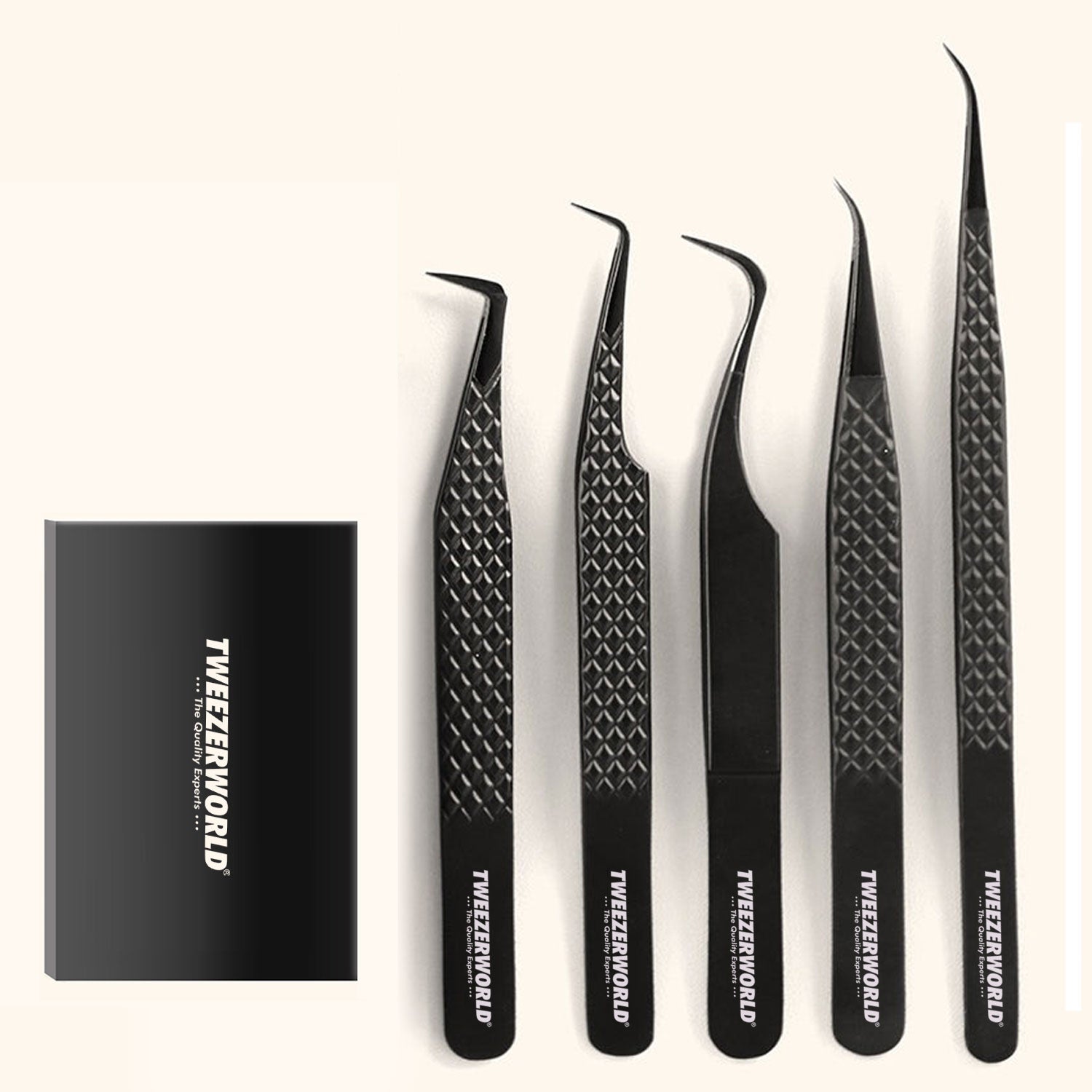
Explore our full range of professional tweezers here:
👉 Tweezers Collection – https://tweezerworld.com/collections/tweezers
You’ll find:
-
Eyebrow tweezers (slanted, pointed, flat)
-
Lash extension tweezers
-
Precision and specialty tweezers
-
Professional stainless steel sets
Final Thoughts
Learning how to sharpen tweezers is a practical skill that helps maintain performance, precision, and comfort. With proper sharpening and care, high-quality tweezers can last for years.
For best results, always start with premium stainless steel tweezers designed for precision—then maintain them correctly.
Papular Products Gallery