
Photonic Component Handling: Substrate and Contact-Surface Checklist
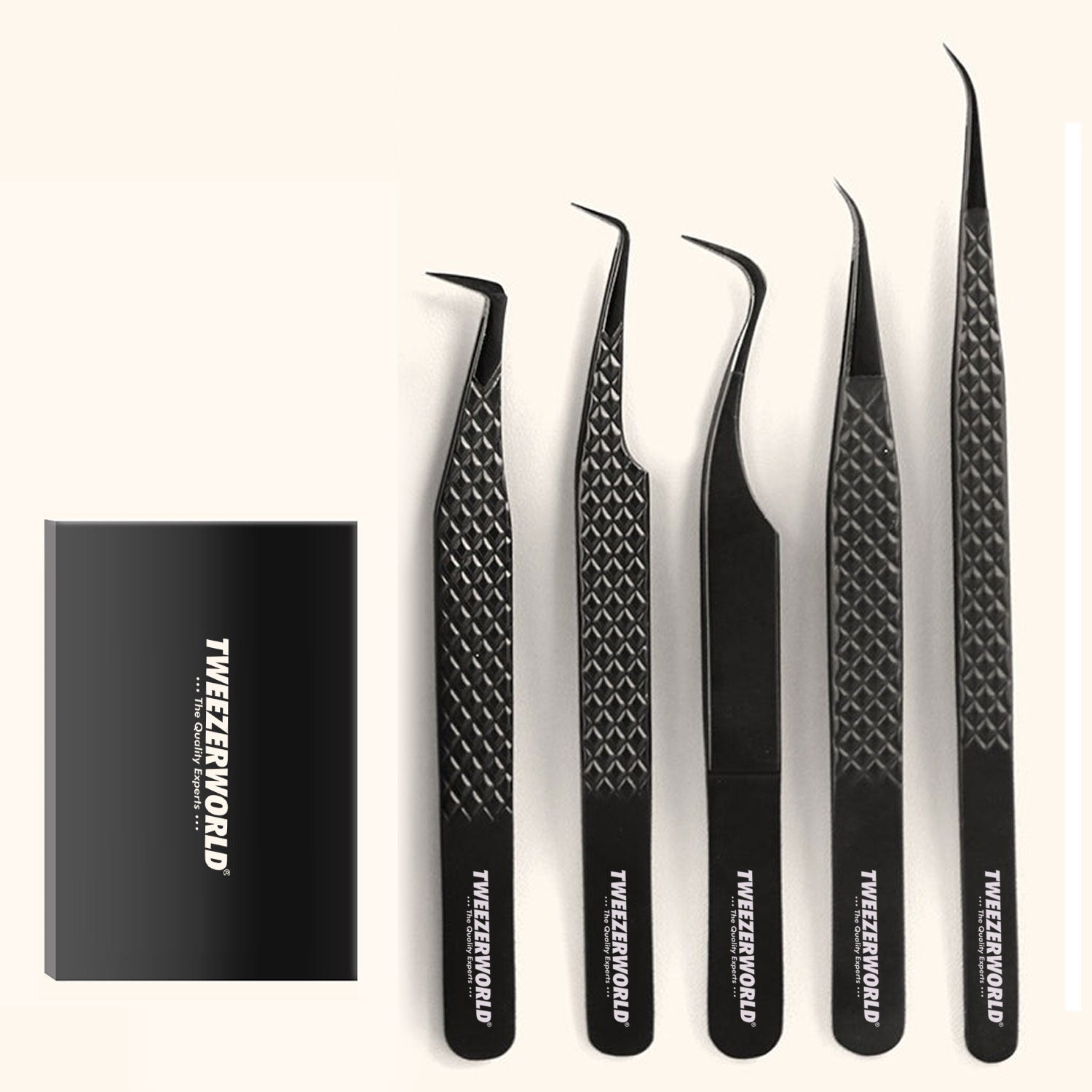
Photonic parts may have a structural substrate, optical layers, delicate edges and restricted contact zones. A handling-tool specification should therefore identify what the tweezer is made from, which surface touches the part and how the complete interaction will be evaluated.
Map the component before choosing the tool
Record component dimensions, mass, substrate, coatings or optical layers, edge sensitivity, permitted contact zones, forbidden surfaces, access direction and allowable force. Use a marked drawing rather than an informal instruction such as “hold carefully.”
Separate tweezer substrate and surface finish
Request the declared base material of the tweezer and identify any coating, insert or replaceable tip separately. Appearance cannot establish material identity, electrical behavior, cleanliness or compatibility.
Define the contact surface
| Characteristic | Buyer requirement |
|---|---|
| Geometry | Point, flat, radius, width, length and permitted tolerances |
| Contact zone | Exact working area and prohibited edges |
| Surface condition | Finish, defects and inspection magnification |
| Alignment | Lateral and vertical offset at defined closure |
| Force | Measurement position, opening and acceptable range |
| Contamination control | Cleaning method and verification appropriate to the process |
Do not infer technical performance
ESD behavior, particle generation, chemical compatibility, non-marring performance and cleanroom suitability require explicit requirements and supporting evidence. If untested, record the status as pending evaluation.
Build a controlled sample trial
- Inspect tool material records and drawing revision.
- Measure the contact geometry and alignment.
- Review edges and surfaces under agreed magnification.
- Measure closing force using one fixture.
- Use representative components or safe test coupons.
- Record slips, marks, edge contact and operator control.
- Repeat relevant cleaning or process exposure.
- Retain the accepted sample and report.
Require change notification
Changes to substrate, coating, grinding, polishing, cleaning, packaging, tooling or manufacturing site can affect the handling interface. Define which changes require a new sample.
Continue to relevant TWEEZER WORLD pages
- Precision Tweezers
- Electronics Repair Tweezers
- Industrial Tweezers
- Pointed Tweezers
- Angled Tweezers
- Professional Forceps
- Watchmaker Tweezers
- Manufacturing Capabilities
- Wholesale Evaluation Program
- Contact and Technical RFQ
Request a component-specific evaluation sample
Send the component drawing or permitted-contact diagram, handling orientation, tweezer model or proposed geometry, substrate and finish evidence required, contact-force method, cleaning process, sample quantity and pass/fail criteria. Do not approve production from a generic catalogue description.
Email tweezersworld@gmail.com or WhatsApp +92 321 6194723.
Papular Products Gallery