
Large Lash-Tweezer Variant Audits: How to Validate Every SKU
A large lash-tweezer catalog becomes difficult to manage when color, profile, tip technology and set configuration are mixed into one title or variant structure. A reliable audit begins with the physical SKU and works outward to the product page, image, collection and replacement code.
Create one master row per physical SKU
Do not use only the Shopify product title. Record the permanent SKU, supplier model, profile, overall length, tip technology, inner-face description, finish, tension category, packaging and current URL. Sets should list every component SKU.
Separate shape from technique
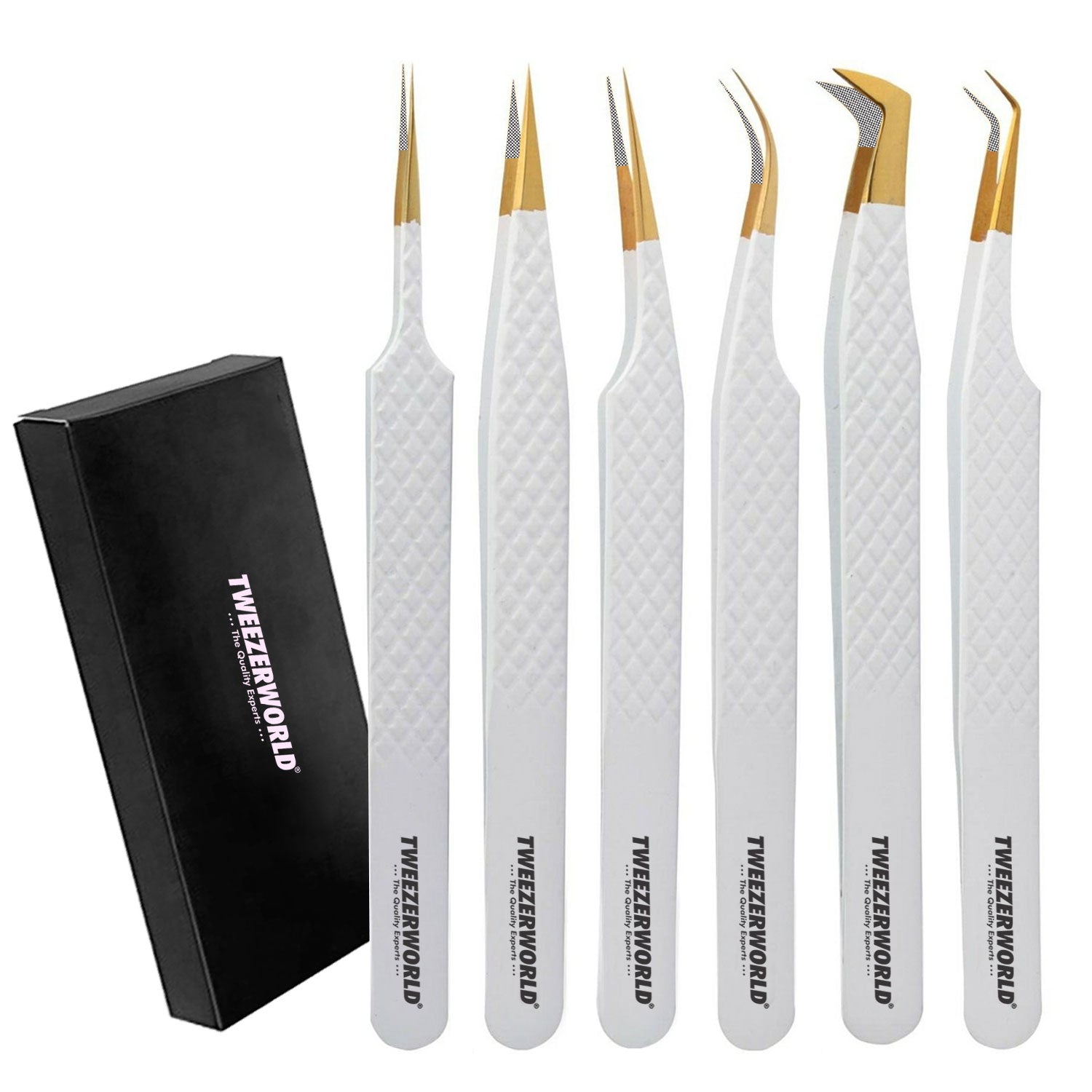
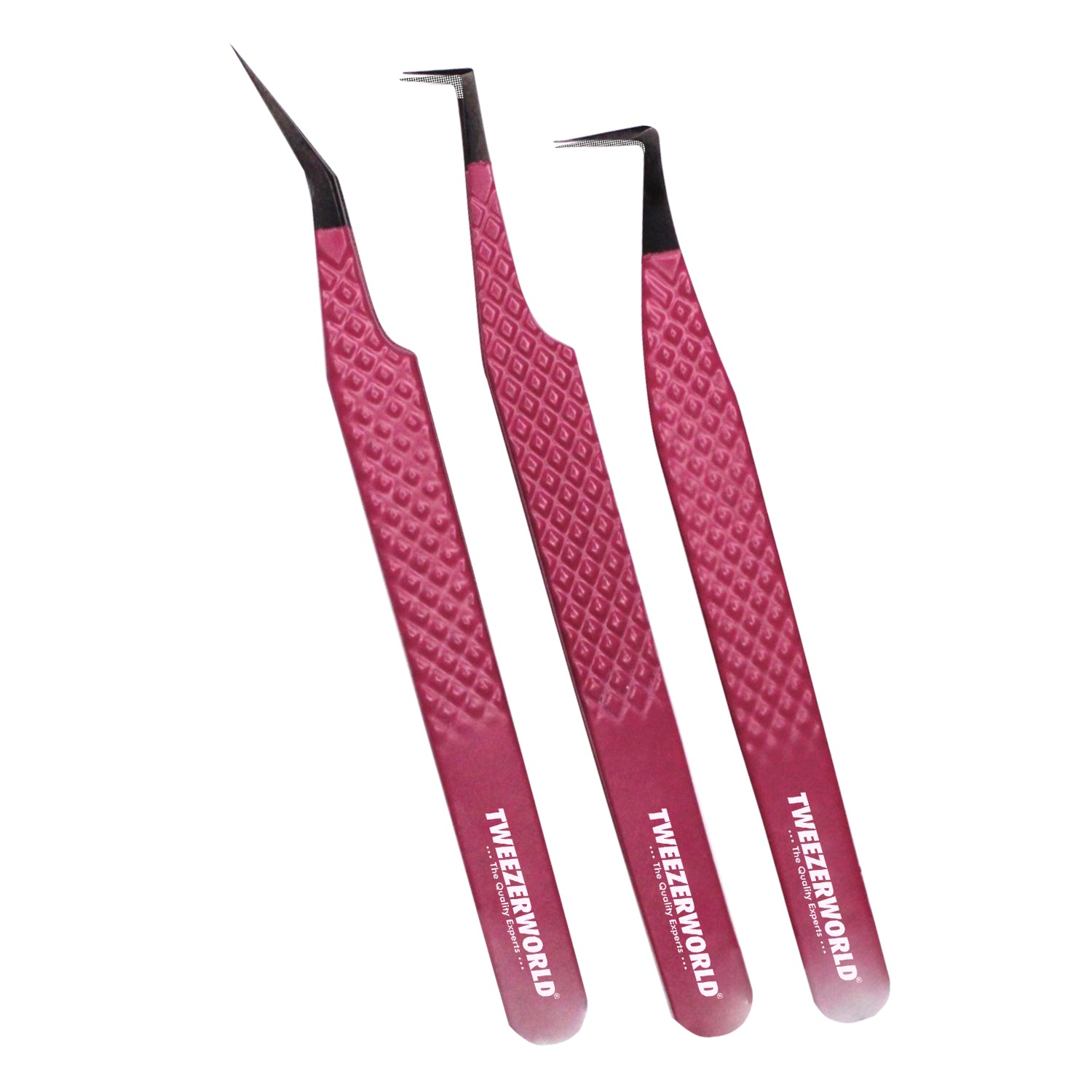
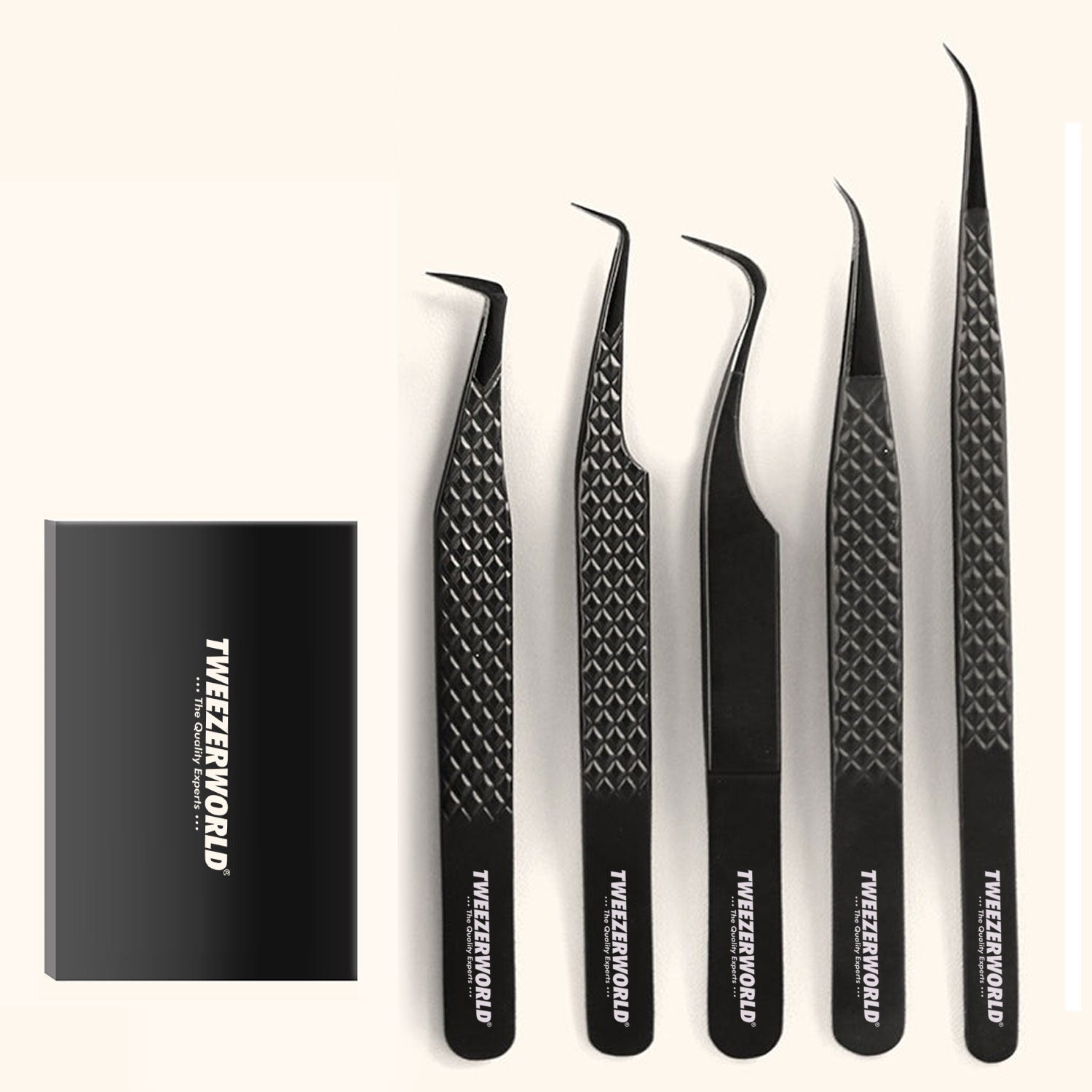
Shape describes the tool: straight, curved, 45°, 90°, boot, L-shape or another verified profile. Technique describes intended use categories that still require buyer testing. A “volume” title does not prove the angle, tip texture or fan range. Keep factual geometry separate from technique marketing.
Audit variant dimensions independently
- Profile: verified physical bend or tip form
- Tip technology: smooth/plain, fiber texture or unverified
- Finish: matte, polished, powder-coated or another confirmed finish
- Color: buyer-facing color name and internal reference
- Tension: defined comparison or measured range
- Branding: logo location and production method
- Packaging: single tool, pair, kit or academy set
Check every image against the SKU
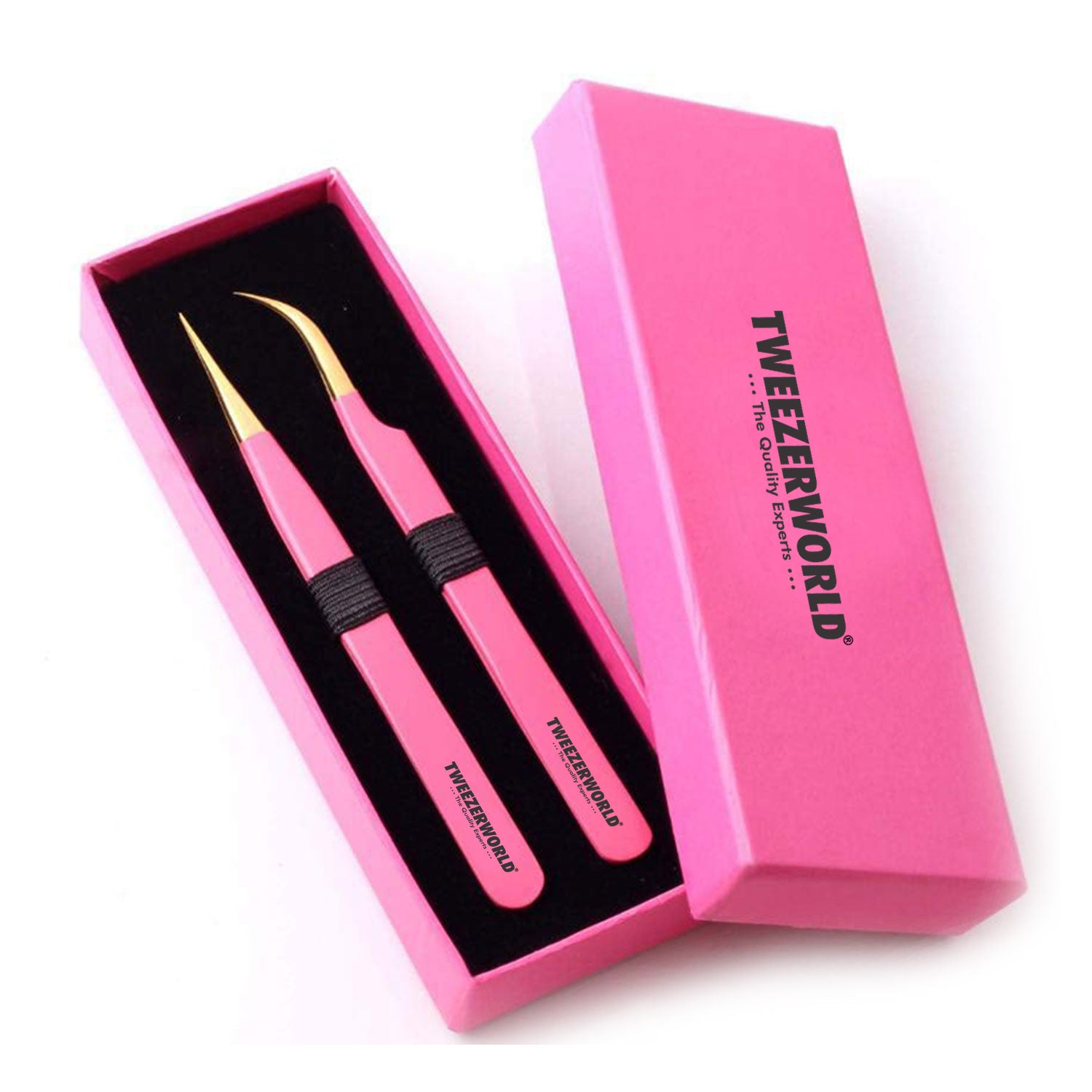
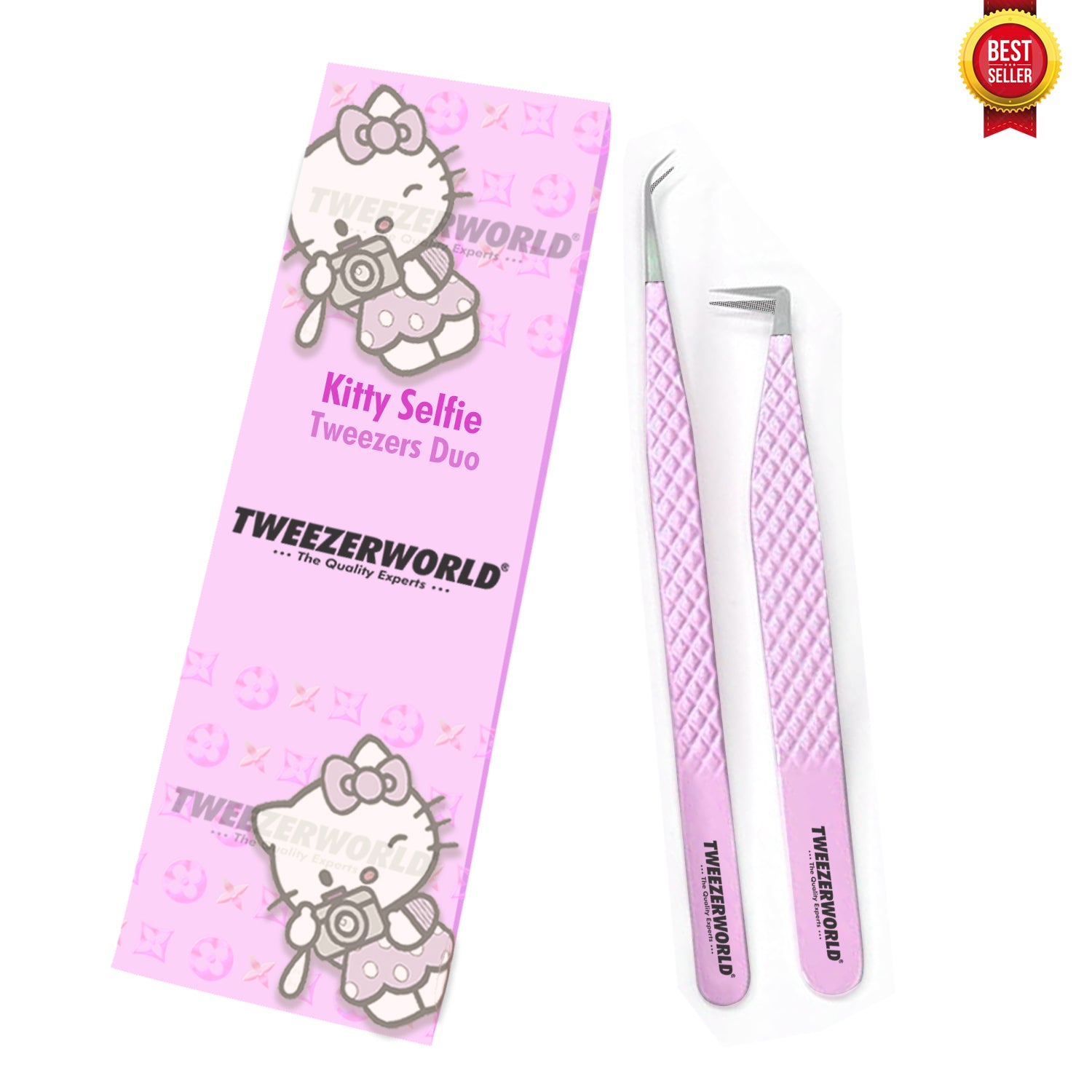
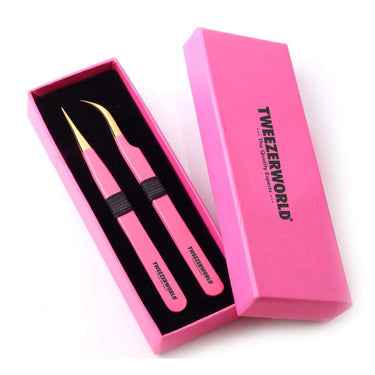
The main image should show the correct profile and finish. Additional images should reveal the working tip, inner faces, handle texture and scale where relevant. Do not reuse a fiber-tip macro on a smooth-tip SKU or show a rose-gold variant while the selected product is matte black without clear variant labeling.
Validate collection membership
Each SKU should have a documented reason for entering a collection. A 45° collection requires a verified angled model; a fiber-tip collection requires confirmed inner texture; an academy collection requires a defined kit or training role. Use controlled tags or metafields only after physical validation.
Find duplicate and orphan records
Flag duplicated products with different handles, variants without images, SKUs assigned to conflicting profiles, products with no collection and collection cards leading to unavailable variants. Preserve redirects when a duplicate page is retired.
Protect replacement ordering
A buyer should be able to reorder the same tool using a permanent model code even if the product title or marketing image changes. This is especially important for academy kits and private-label ranges with several visually similar tools.
Recommended audit outcome
Use three statuses: verified and publishable, hold for evidence, or exclude/correct. Record the audit date, inspector and supporting photo or sample code. Re-audit when a supplier model, finish process, image set or collection rule changes.
Related collections and commercial support
- lash tweezers hub
- fiber-tip lash tweezers
- 45° lash tweezers
- 90° volume tweezers
- volume lash tweezers
- mega-volume lash tweezers
- lash tweezer sets
- quality control
- OEM process
- request a SKU audit quotation
Request a coded mixed-profile evaluation set
Provide the required profiles, tip technologies, finishes and production quantities. Ask for every sample to carry a permanent SKU and inspection record before approving a large private-label range.
Contact TWEEZER WORLD® or review the OEM process.
Papular Products Gallery