
Smooth-Tip vs Fiber-Tip Product Images: What Buyers Must Be Able to Verify
A buyer should not have to infer tip technology from a product title or handle color. Accurate product images should show whether the inner working faces are smooth, visibly textured or still unverified. The image set must also identify the exact SKU, because similar handles can use different contact surfaces.
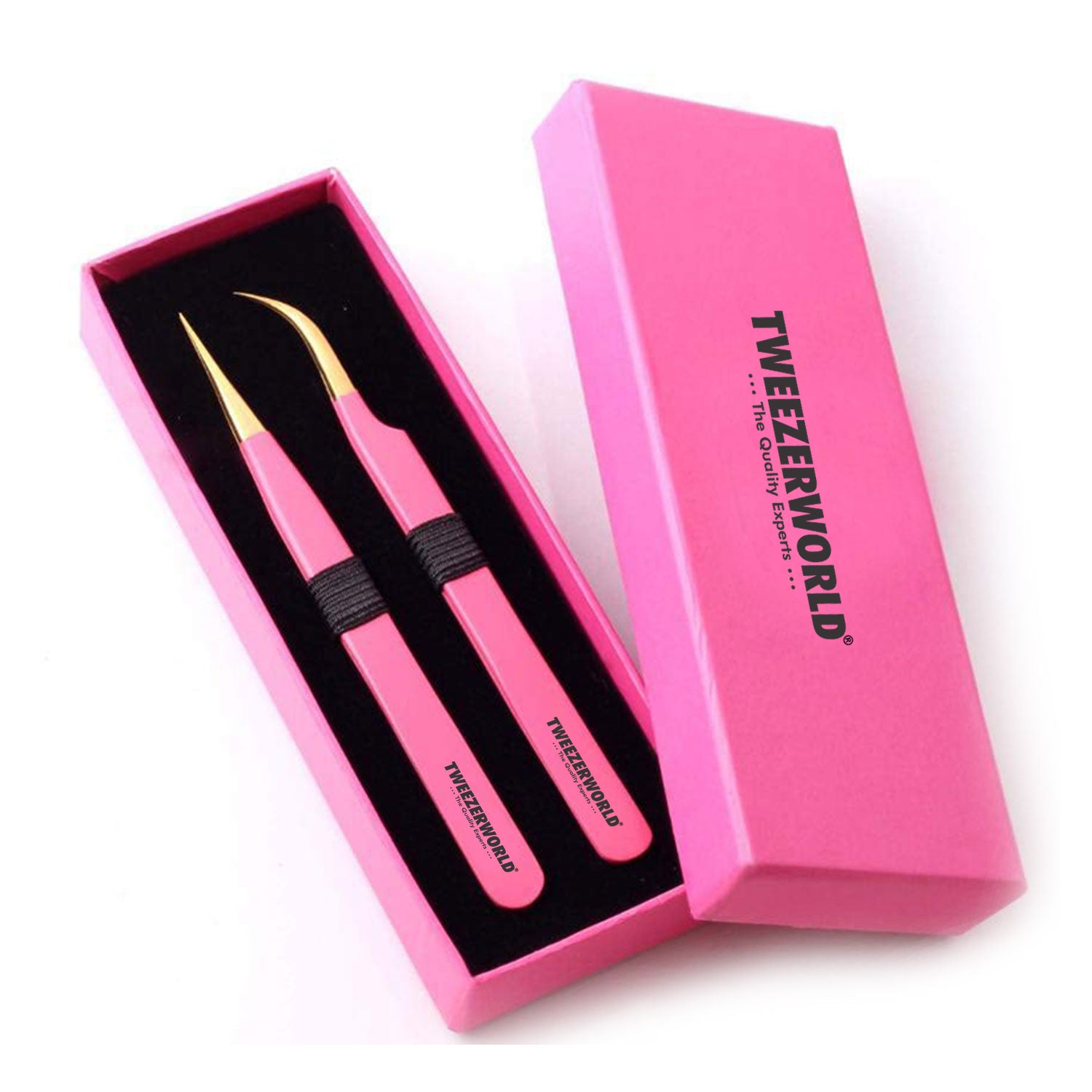
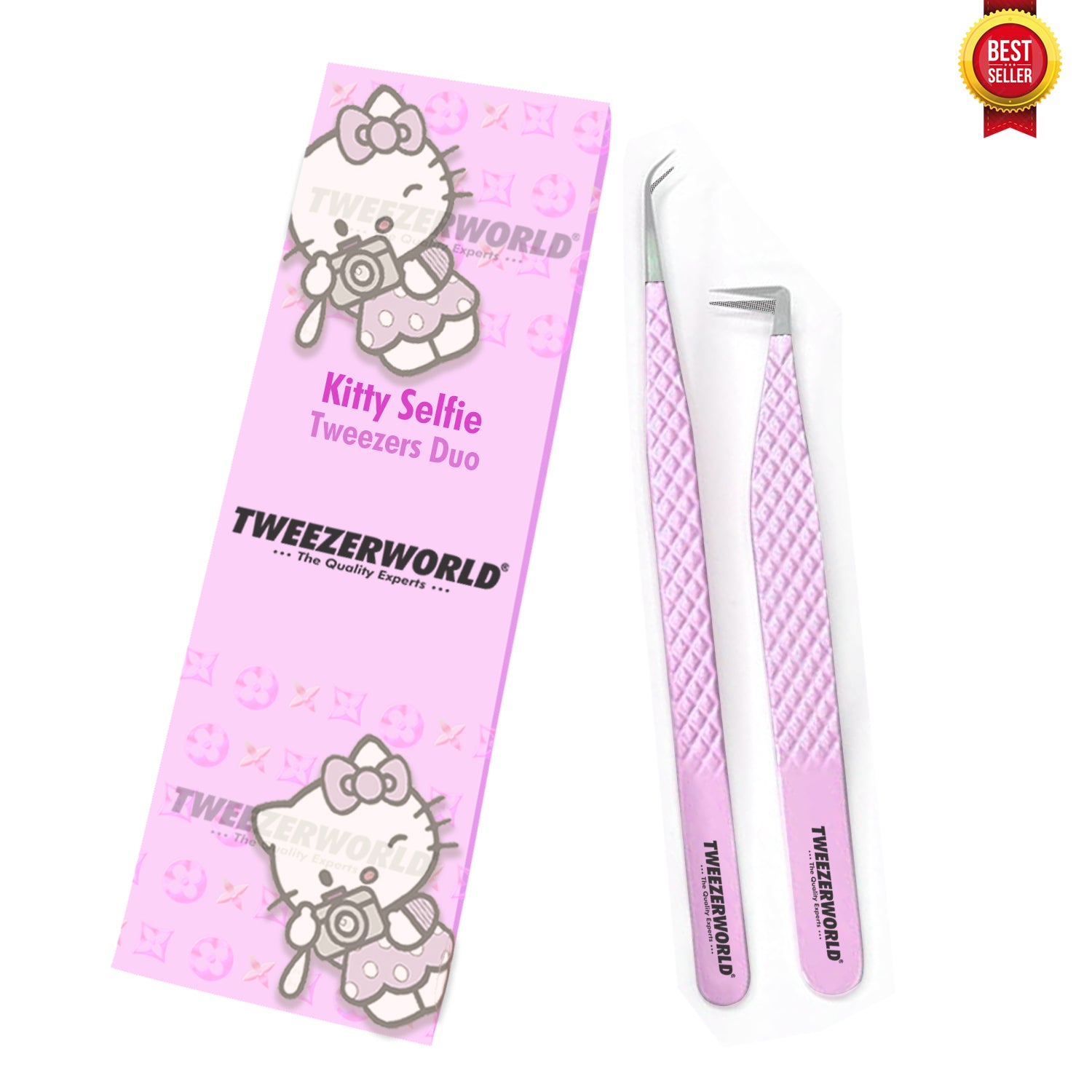
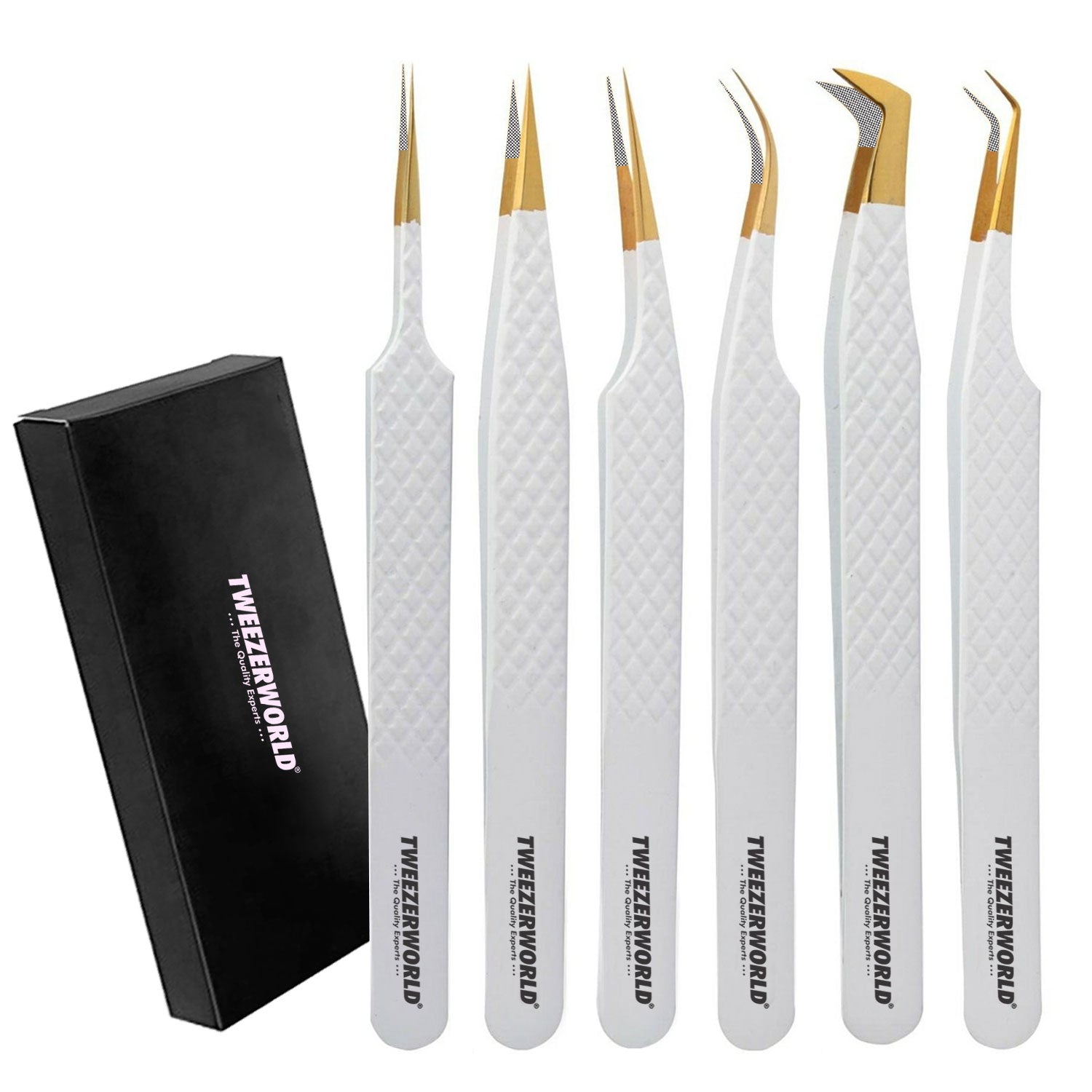
The main image should identify the physical variant
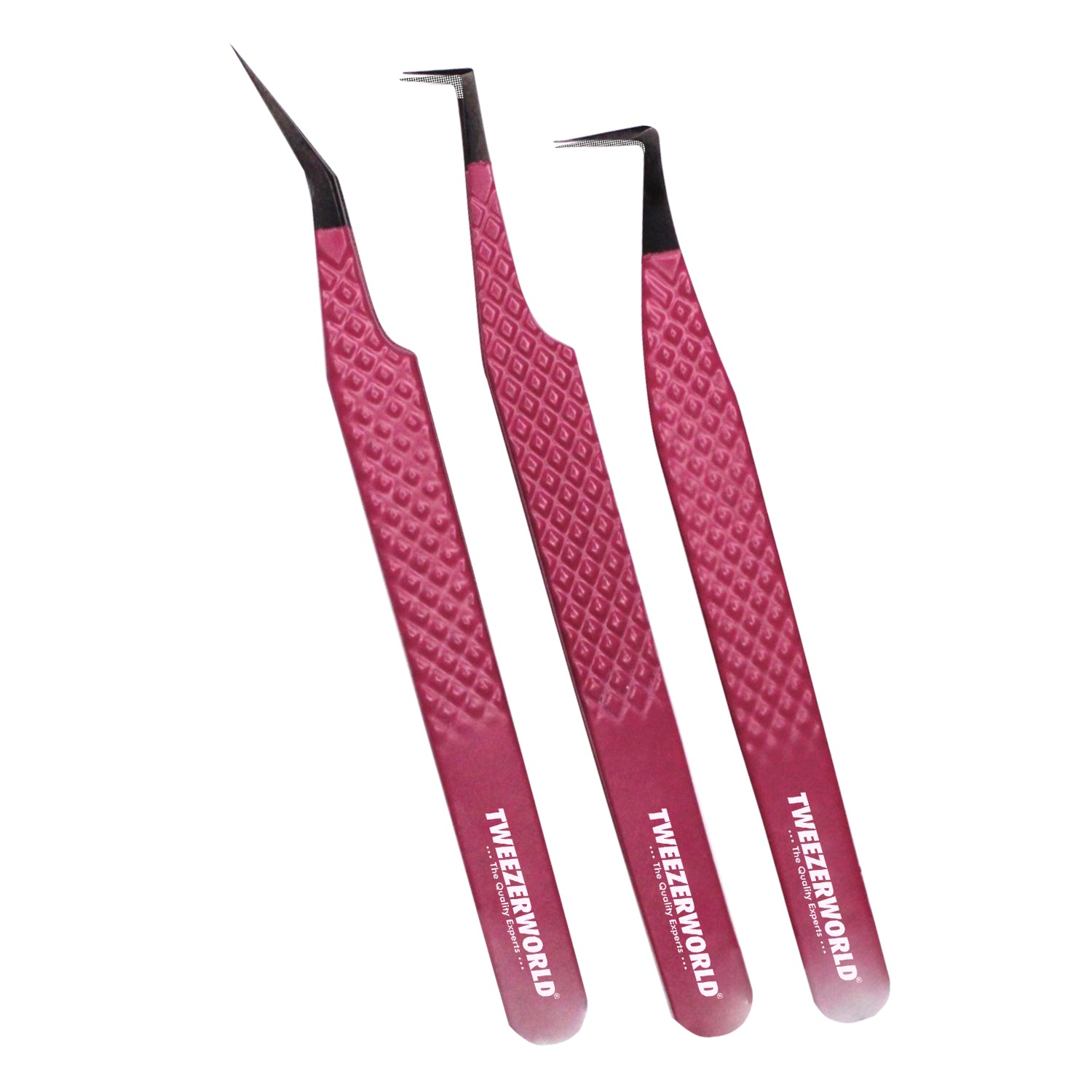
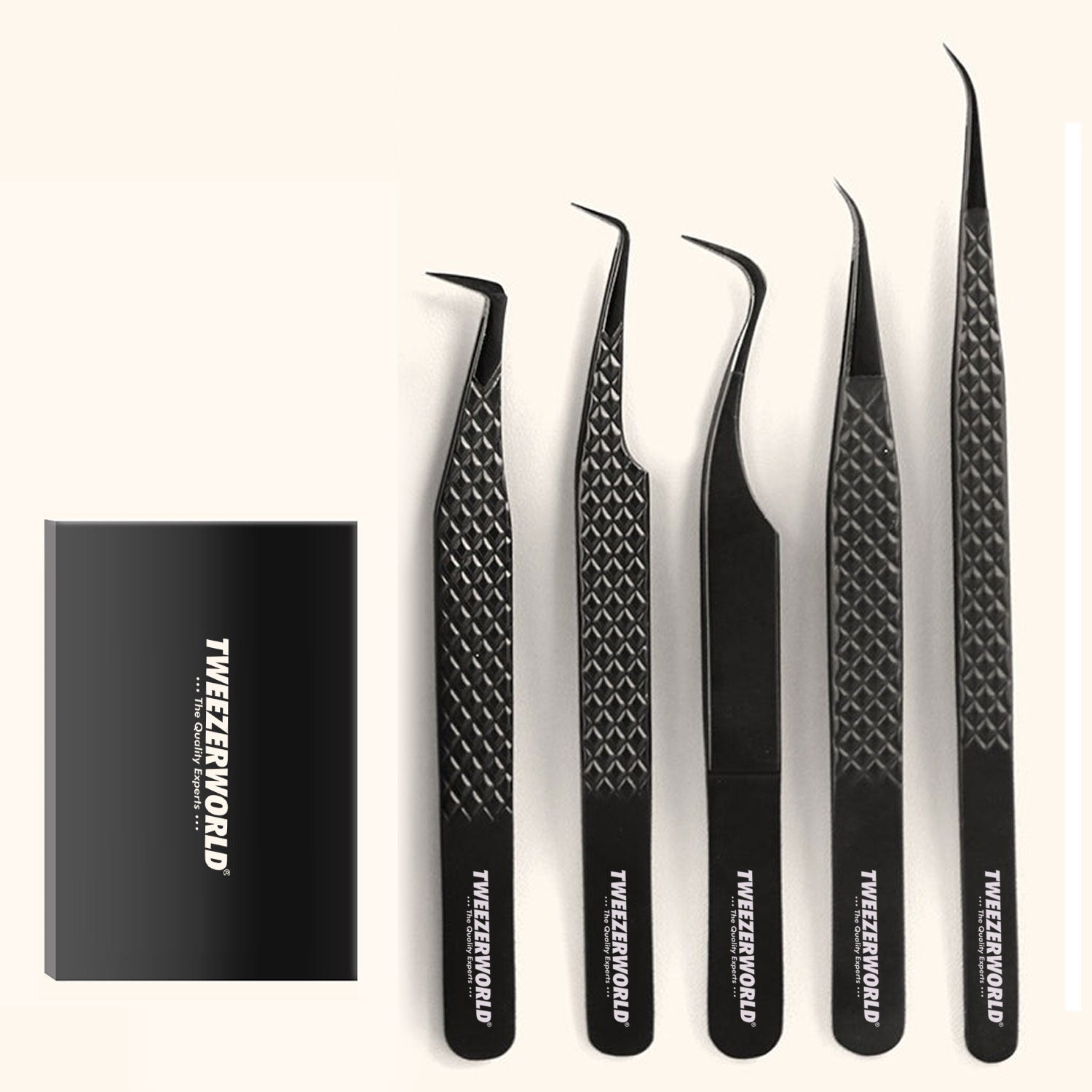
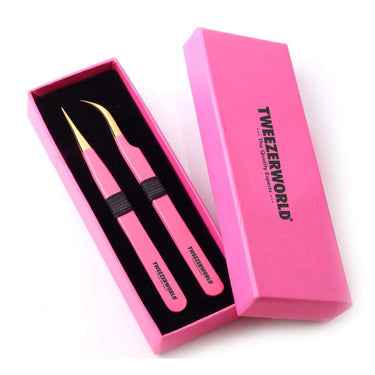
Show the complete tweezer against a neutral background with the correct profile, finish and handle design. The selected variant image should change when the buyer selects a materially different color or tip technology. Avoid using one generic image for smooth-tip and fiber-tip versions.
Show the inner contact faces
Include a well-lit macro view of both inner faces. For a smooth-tip model, the image should not introduce artificial texture through oversharpening. For a fiber-tip model, the texture should be visible without claiming a universal grip or fan-size result. State when the image is representative rather than the exact production SKU.
Document contact geometry
A closed-tip image should show where contact begins and whether the faces meet evenly. Add a partially closed view when useful. Photography can document visible alignment and surface condition, but it cannot prove spring force, long-term durability, material grade or performance with every lash diameter.
Keep handle finish and tip surface separate
A matte or polished handle describes the exterior finish. It does not prove the inner tip is smooth. A cross-hatched handle grip also does not make the working face a fiber tip. Product captions and image filenames should distinguish these features.
Use consistent comparison photography
- Same camera distance and angle
- Same lighting direction and exposure
- Same background and scale reference
- Same magnification for contact-face comparisons
- Neutral editing without invented texture
- SKU or sample code in the file record
Images every buyer should receive for sample approval
Request the full tool, side profile, tip at rest, tips closing, inner faces under magnification, handle/logo area, finish under neutral light and packaging. For private-label orders, add the approved logo proof and a photograph of the marked pre-production sample.
What images cannot replace
Technique-specific approval still requires a physical sample. A photograph cannot confirm tension feel, fan pickup, release, residue behavior or operator comfort. Use images to screen candidates and document identity, then test the exact model under the buyer’s method.
Related collections and commercial support
- lash tweezers
- fiber-tip lash tweezers
- 45° smooth-tip lash tweezers
- 45° fiber-tip lash tweezers
- curved fiber-tip tweezers
- straight fiber-tip isolation tweezers
- volume lash tweezers
- quality control
- private-label process
- request model images and samples
Request exact-SKU image evidence
Send the smooth-tip and fiber-tip model links or codes, preferred profile, finish, logo and sample quantity. Ask for matched macro images and coded physical samples before approving the production description.
Contact TWEEZER WORLD® or review the OEM process.
Papular Products Gallery