
Watchmaker Tweezer Inspection: Material, Magnetism and Contact Force
Watchmaker tweezers are often selected by familiar pattern names, but distributors still need measurable acceptance criteria. Material identity, magnetic response, tip condition and contact force can each influence suitability for fine screws, springs and delicate components.
Material: declaration first, testing second
Ask for the supplier’s declared material grade and the form of evidence linked to the product or lot. Decide whether a declaration is sufficient or whether certificate review or independent testing is justified. Surface color alone cannot identify an alloy, and a coating can obscure the substrate.
Magnetism must be a defined test
“Non-magnetic” and “anti-magnetic” are not useful acceptance terms without a method and limit. Define the test object, instrument, distance, orientation, exposure history and pass/fail threshold. Record ambient conditions if they can affect results. If the product has not been evaluated by the agreed method, describe magnetic performance as pending evaluation.
Inspection checklist
| Characteristic | Suggested check | Record |
|---|---|---|
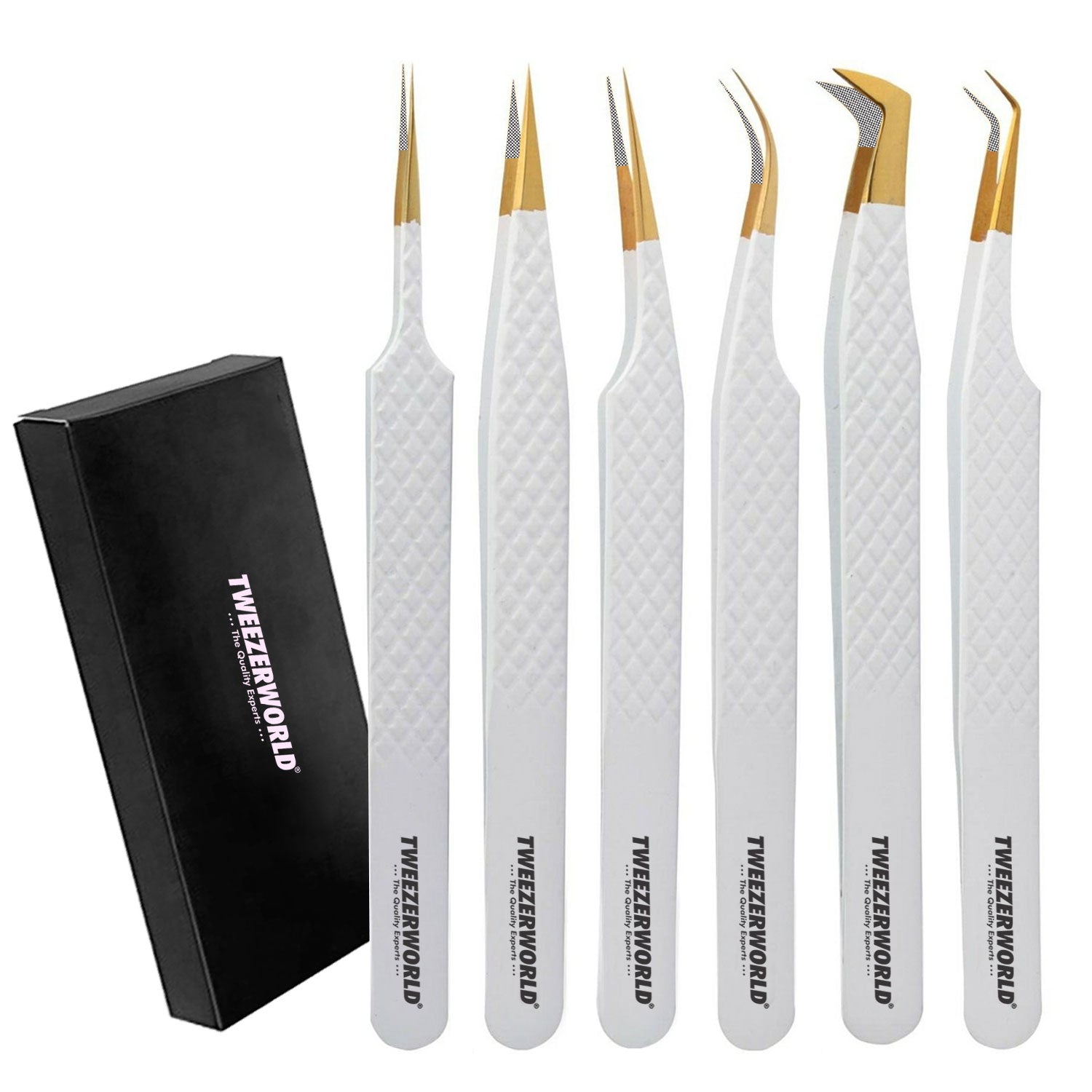
| Overall pattern | Compare length, shape and profile with drawing | Measured dimensions and revision |
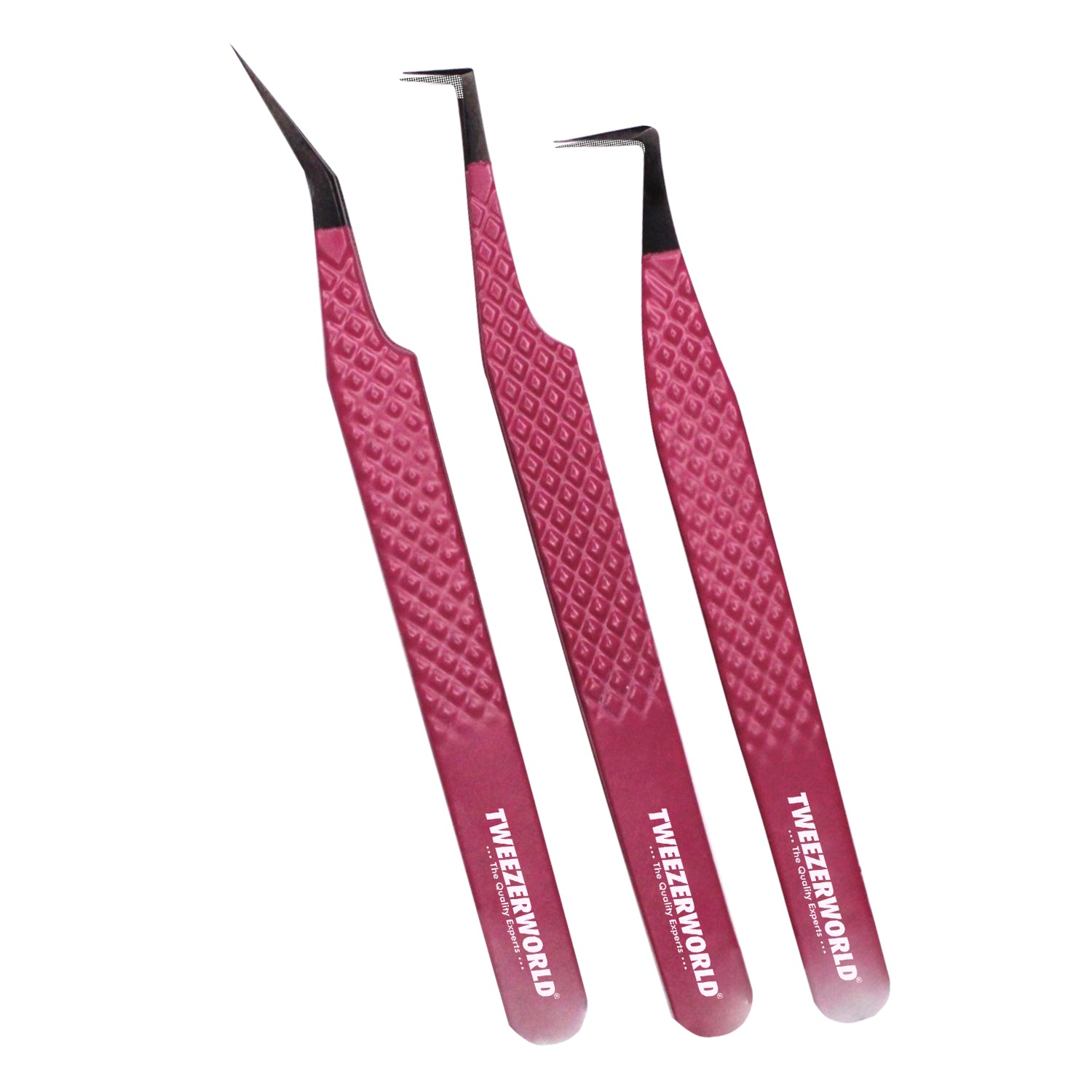
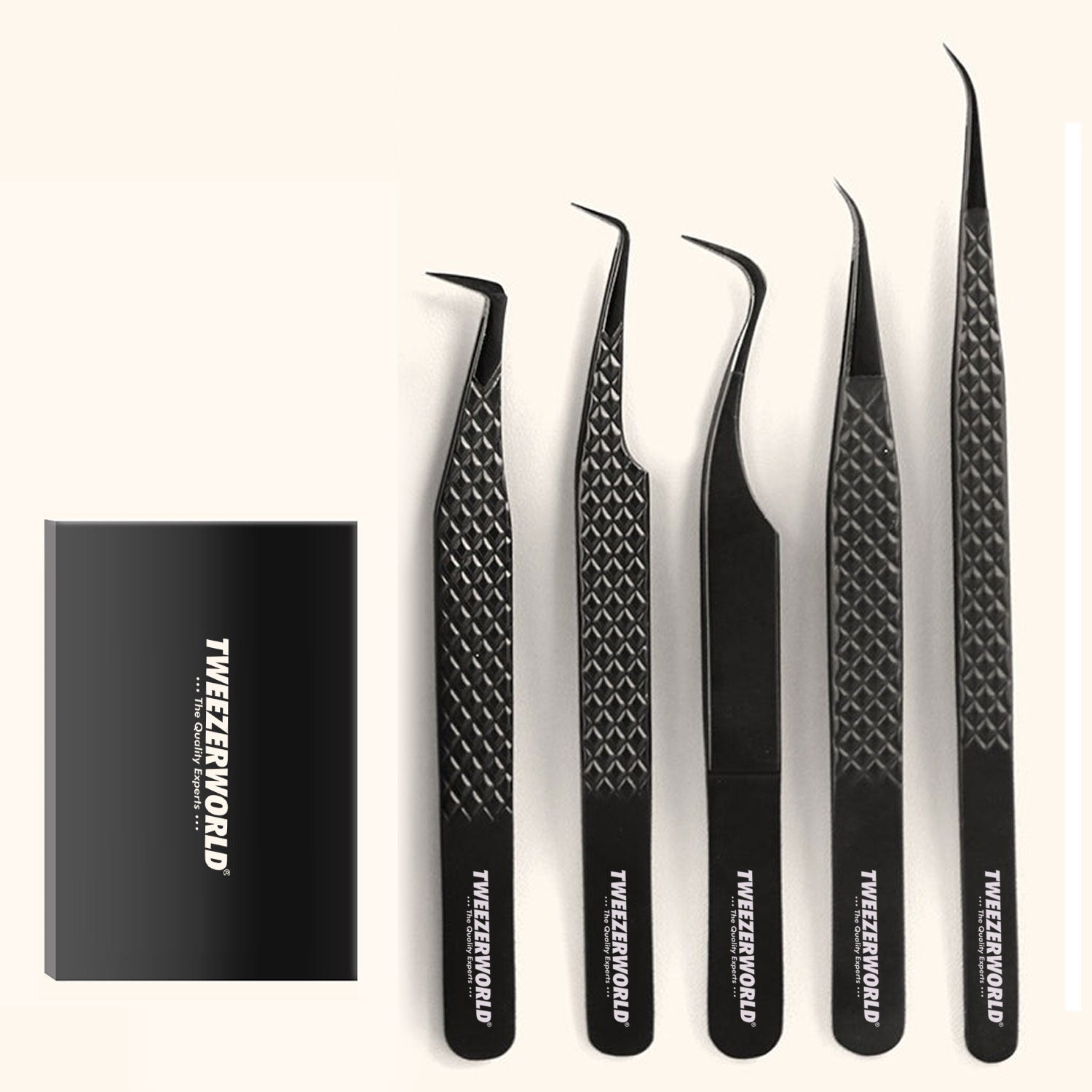
| Tip geometry | Inspect point, radius, symmetry and edge condition | Magnified images and defect result |
| Alignment | Observe tips through gradual closure | Lateral/vertical offset or pass/fail |
| Contact force | Measure at a defined opening or gauge position | Force, fixture and instrument ID |
| Magnetic response | Apply the agreed quantitative or comparative method | Method, result and acceptance limit |
| Surface finish | Inspect consistent light and magnification | Scratches, pits, coating defects or burrs |
Use task-based trials
A tweezer can meet dimensions yet feel unsuitable in practice. Test representative screws, hairsprings, jewels or non-product substitutes in a controlled bench exercise. Track pickup success, part marking, slips, visibility and fatigue. Use trained evaluators and protect valuable components during early trials.
Contact force needs context
Force depends on where the handle is pressed and how far the tips are opened. State both. A useful specification may include a target range plus a repeatability requirement across several pieces. Too little force may reduce control; too much can increase fatigue or part damage.
Distributor documentation
Keep the current drawing, supplier material statement, inspection method, sample report, defect photographs, lot identifier and approved packaging artwork together. Add a change-notification clause covering substrate, heat treatment, coating, tip grinding, polishing and manufacturing location.
Avoid unsupported catalogue claims
Publish only attributes that are backed by evidence appropriate to the claim. Where evaluation is incomplete, state what is known—such as geometry or finish—and leave performance claims pending. This protects both the distributor and the customer.
Explore related TWEEZER WORLD collections
For custom geometry, finishes, inspection requirements or private-label packaging, review our manufacturing capabilities and wholesale program.
Build a purchase specification with TWEEZER WORLD
For OEM, wholesale or distributor enquiries, share the intended task, target geometry, quantity, packaging needs and the records you expect with each shipment. Ask for a controlled sample before approving bulk production.
Review the wholesale program or contact TWEEZER WORLD. Email: tweezersworld@gmail.com · WhatsApp: +92 321 6194723.
Papular Products Gallery