
Watchmaker Tweezers: Stainless vs Titanium vs Non-Marring
Watchmaker Tweezers: Stainless vs Titanium vs Non-Marring
Watch-service buyers often select tweezers by a familiar shape number, but material and tip condition matter just as much. A distributor set should be evaluated against the actual tasks: handling screws, springs, movement parts, hands, dials or finished surfaces. Contact rules differ across those tasks.
Stainless steel
Stainless-steel tweezers offer a range of fine and robust profiles and finishes. Specify the exact grade, tip dimensions, spring tension and magnetic behavior for the selected model. The word stainless alone does not prove non-magnetic performance. Inspect the closing tips for burrs, alignment and repeatable contact.
Titanium
Titanium can be considered where the buyer wants a different weight or contact material. Compare the actual alloy, construction, tip stiffness and finish on samples. A titanium coating over a different substrate must be described separately from a solid titanium tool. Do not assume all titanium tools have identical magnetic or surface behavior.
Non-marring contact
For delicate finished surfaces, consider a suitable non-marring contact option, such as a compatible coated, ceramic or replaceable-tip model. “Non-marring” is a task-specific evaluation: inspect representative parts under the workshop's normal lighting and magnification, and define acceptable marking before approval.
Build a distributor evaluation set
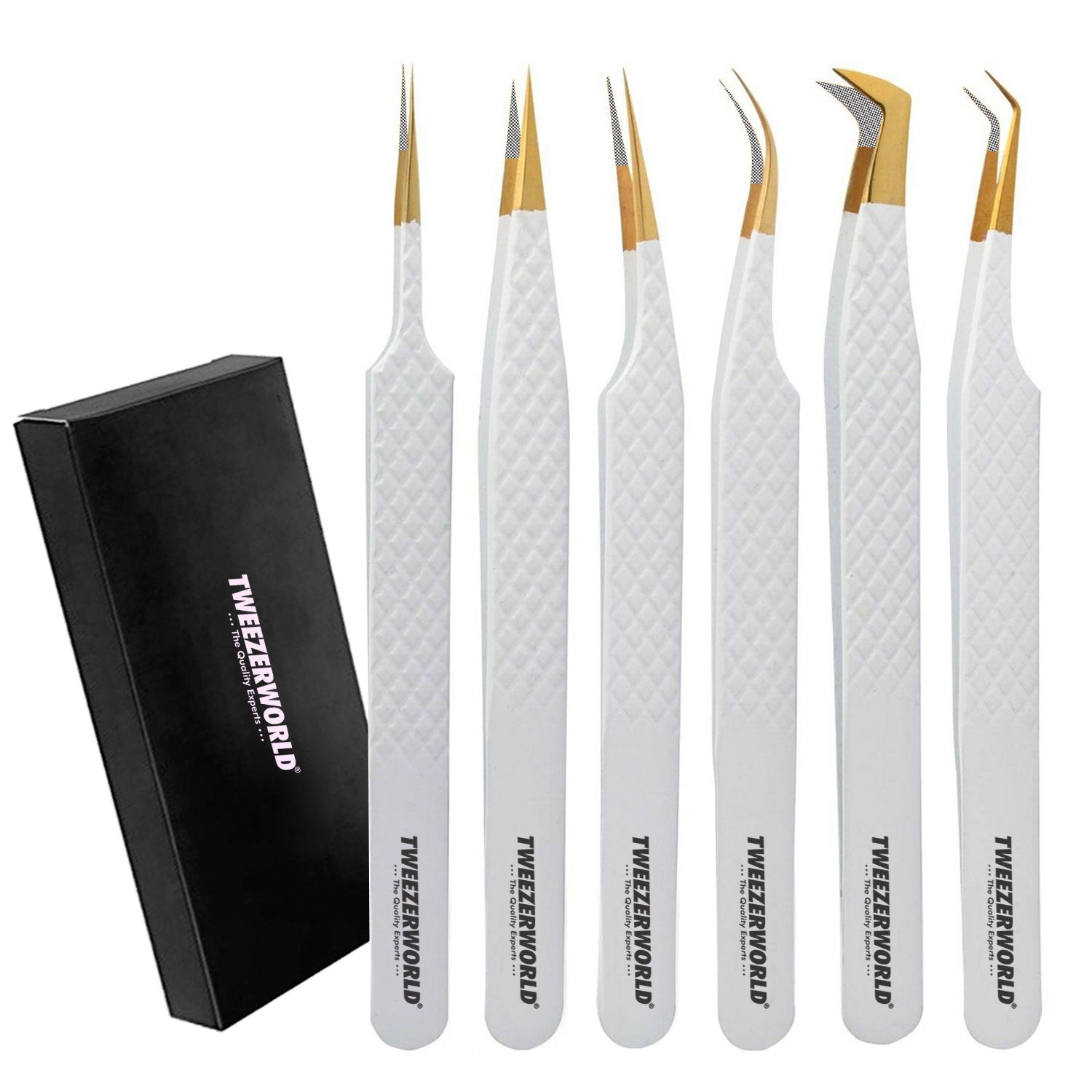
Include fine straight, angled, reverse action and a suitable non-marring candidate only when each fills a stated task. Record material, length, width, tension, magnetic test method if required, replacement parts, packaging and feedback from watchmakers. Keep the chosen sample and agreed inspection criteria as the production reference.
Explore the Watch & Jewelry Distributor Evaluation Set, jewelry tweezers and OEM process.
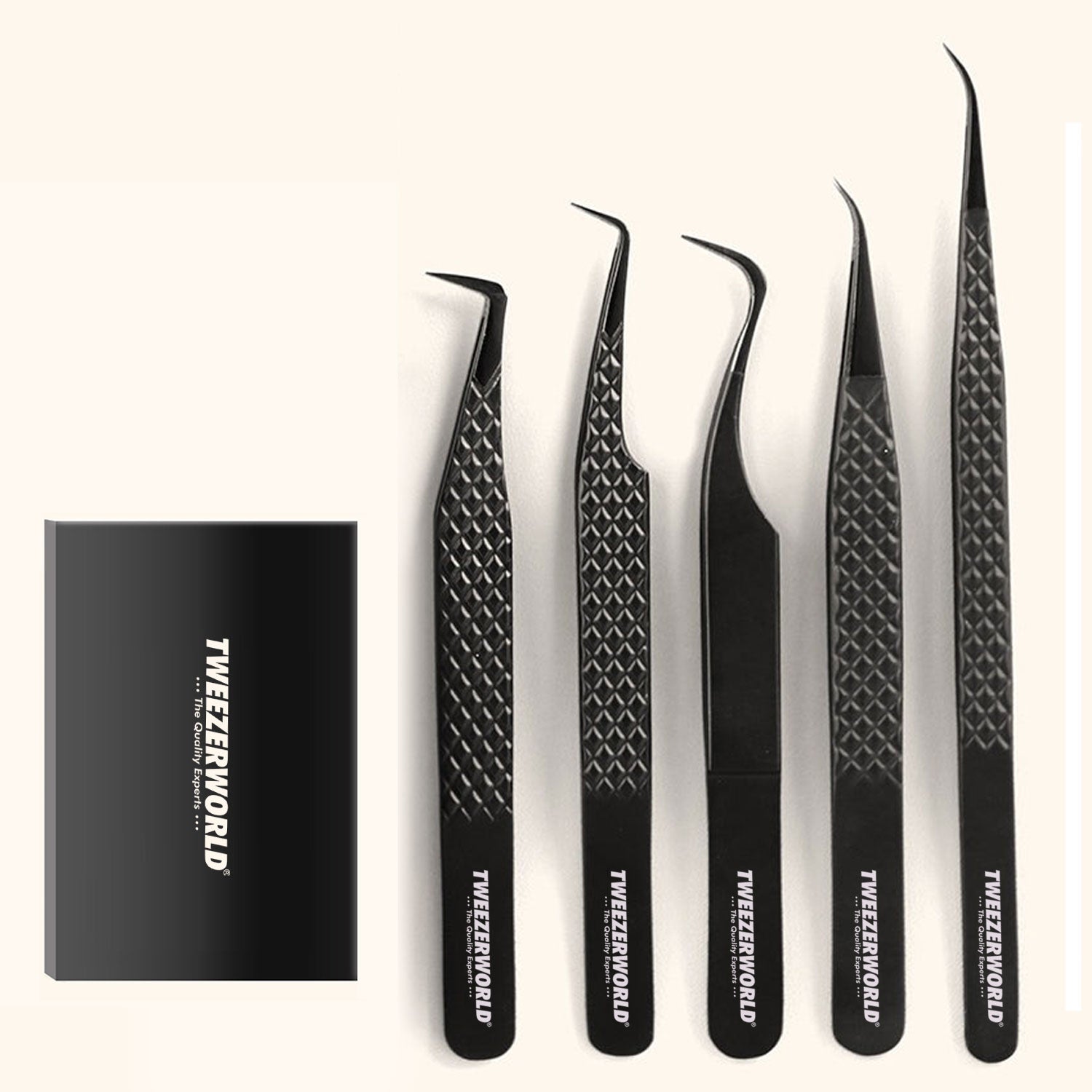
Watchmaker Precision Evaluation Set
Fine Straight | Fine Point | Curved | Titanium | Finish-Protecting/Non-Marring Candidate
Configure five candidate tools for watch-service and jewellery-workshop trials. The first three identify geometries; Titanium identifies a material option whose tip geometry must be agreed; the finish-protecting candidate identifies a contact-material evaluation requirement. Confirm exact models, availability and supplied tool count by quotation.
Evaluate access, pickup, retention, closing force and controlled release on representative parts. Define permitted contact zones before handling delicate springs, pivots, jewels, coated components or polished surfaces. Finish protection requires a marking test on the intended surface; no universal scratch-free claim applies.
Anti-magnetic performance requires material identification and magnetic-response evidence for the exact model and configuration. Titanium is not a substitute for that record. Record measured length, weight, tip/contact width, thickness, closing force, material identity, test method and sample revision. Unmeasured fields remain pending.
Request the Watchmaker Precision Evaluation Set · Distributor sample approval
Papular Products Gallery