
AI Server Assembly and Rework: Selecting Precision Tweezers
AI servers combine dense PCBs, accelerator modules, connectors, cable hardware, sensors and cooling assemblies. Precision tweezers can support controlled assembly, inspection and rework, but the application name alone does not define a safe tool. Selection should start with the exact task, access path and permitted contact zone.
Map the maintenance task first
Identify whether the technician will position a small fastener, route a wire, manipulate a connector latch, retrieve a loose part, handle an unpowered module component or support bench rework. Follow the equipment manufacturer’s procedures, power-isolation rules and ESD-control program. Tweezers should never substitute for an approved electrical or insulated tool.
Select geometry by access
- Straight fine tips: direct access to visible parts.
- 30° tips: shallow approach around heatsinks and connector bodies.
- 45° tips: side access where the hand must remain clear of the work.
- Reverse action: continuous holding for a defined fixture-like task after force testing.
- Ceramic candidates: possible non-metal contact option, subject to exact-model testing.
- Controlled-contact tips: broader contact for surfaces that should not receive point loading.
Do not infer ESD performance
A black coating, ceramic tip or “electronics” label does not establish ESD suitability. State the resistance or electrical behavior required by the facility, the test method and acceptable range. Record the exact sample, conditions and result. Untested models remain pending.
Specify the physical sample
Record length, weight, handle width, tip width and thickness, angle, free opening, closing force, material, finish and marking. Check the tool against the actual access envelope around connectors, memory, accelerators, cables and board-mounted components.
Run representative rework trials
Use de-energized representative hardware or approved training assemblies. Observe visibility, reach, grip stability, component marking, accidental contact, release behavior and operator fatigue. A tool that can lift a component may still be unsuitable if it obstructs vision or requires excessive force.
Inspect before every shift or task
Remove from service any tool with bent arms, crossed tips, chips, burrs, coating damage, unstable tension, contamination or corrosion. Store qualified tools in identified slots or protective sleeves so the working ends cannot strike other tools.
Build a technician set by function
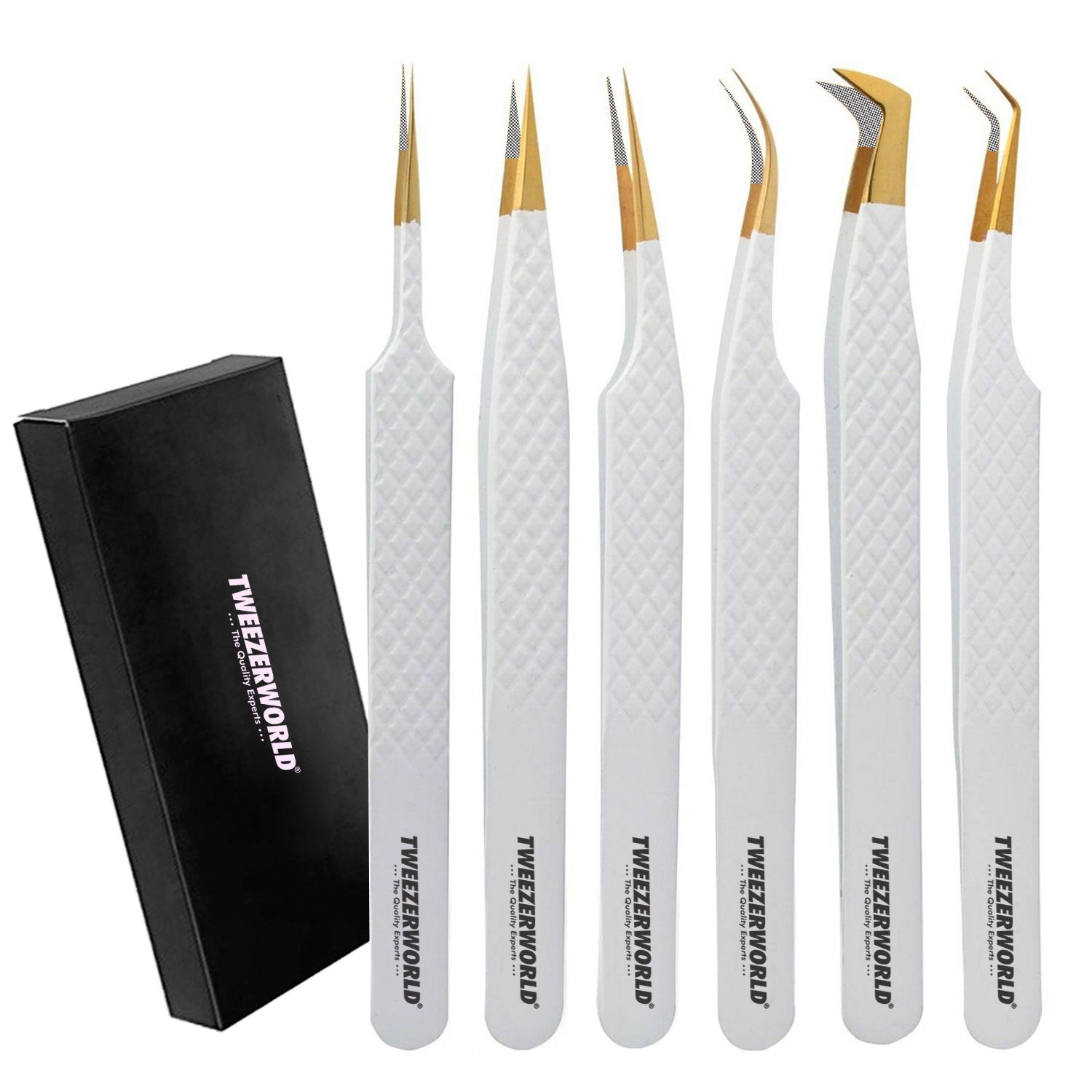
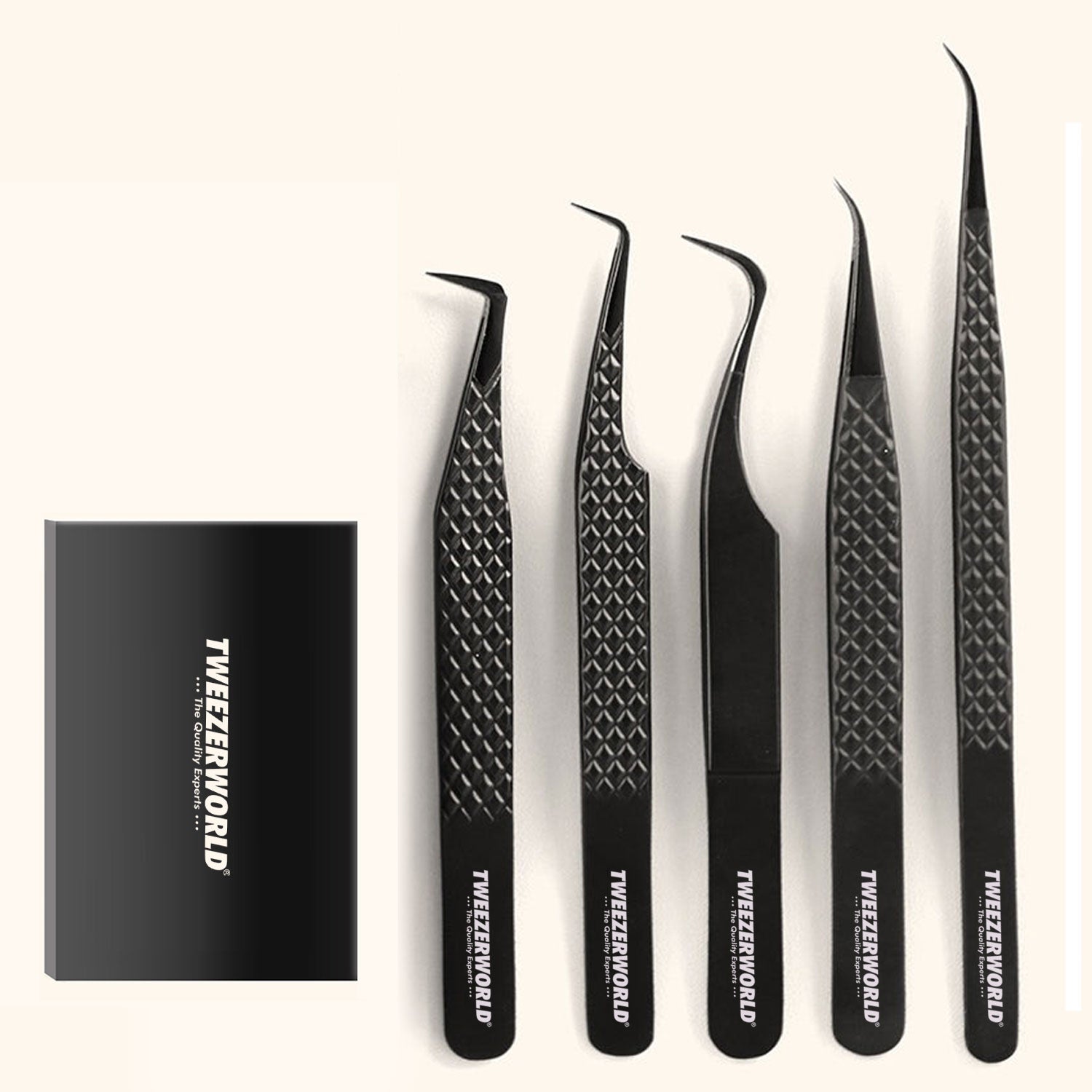
A practical evaluation set can include straight, 30°, 45°, reverse-action, ceramic-tip and controlled-contact candidates. Assign a unique model code and approved task to each tool rather than treating the set as universally suitable.
Procurement checklist
- Server platform and task identified
- Power and ESD procedures defined separately
- Contact and no-touch zones recorded
- Geometry tested in the real access envelope
- Dimensions and closing force measured
- Material and special-property status documented
- Golden sample approved
- Batch inspection and change control agreed
Request an AI-server tweezer evaluation set
For OEM, distributor or maintenance-set development, contact TWEEZER WORLD® at tweezersworld@gmail.com or WhatsApp +92 321 6194723. Provide the task, component or assembly, access restrictions, required tests and target quantity.
Related technical routes: Precision Tweezers · Electronics Repair Tweezers · Semiconductor Micro-Handling Tweezers · Quality Control · OEM Process.
Papular Products Gallery