
Electronics Manufacturing Tweezers: A Buyer Qualification Guide
Electronics manufacturers and distributors should qualify tweezers as controlled process tools, not select them from photographs or broad labels such as “precision” or “ESD safe.” The correct tool depends on the component, permitted contact area, access angle, required closing force, material, finish and documented test status.
This guide explains how buyers can compare samples, record evidence and approve an electronics-manufacturing tweezer without overclaiming performance.
Begin with the handling task
Define whether the tool will place SMD parts, position wires, manipulate connector hardware, hold a component during inspection, support soldering or assist controlled rework. Record component dimensions, fragility, access restrictions and prohibited contact zones. A tweezer suitable for a resistor may be unsuitable for an optical sensor, flex circuit or finished connector.
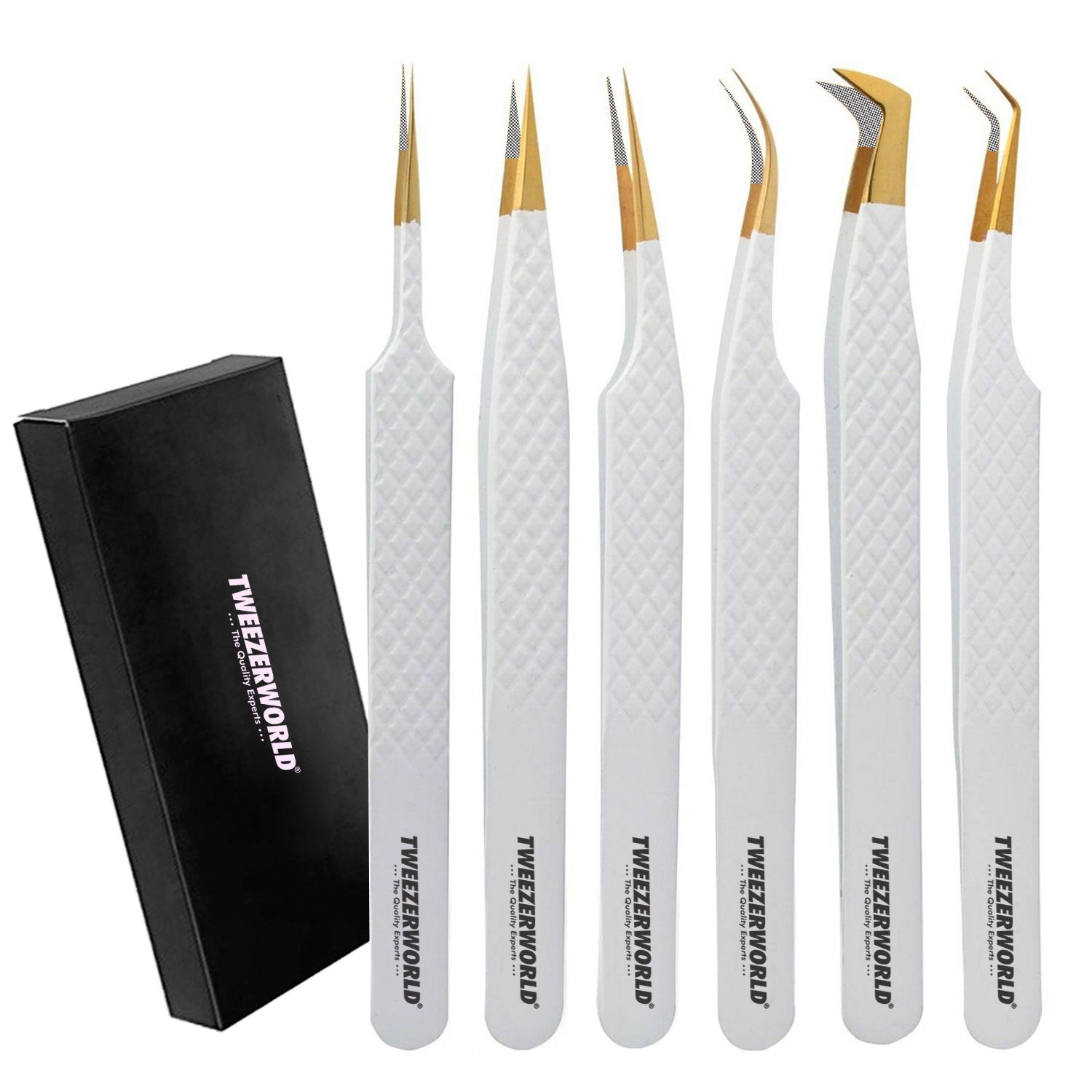
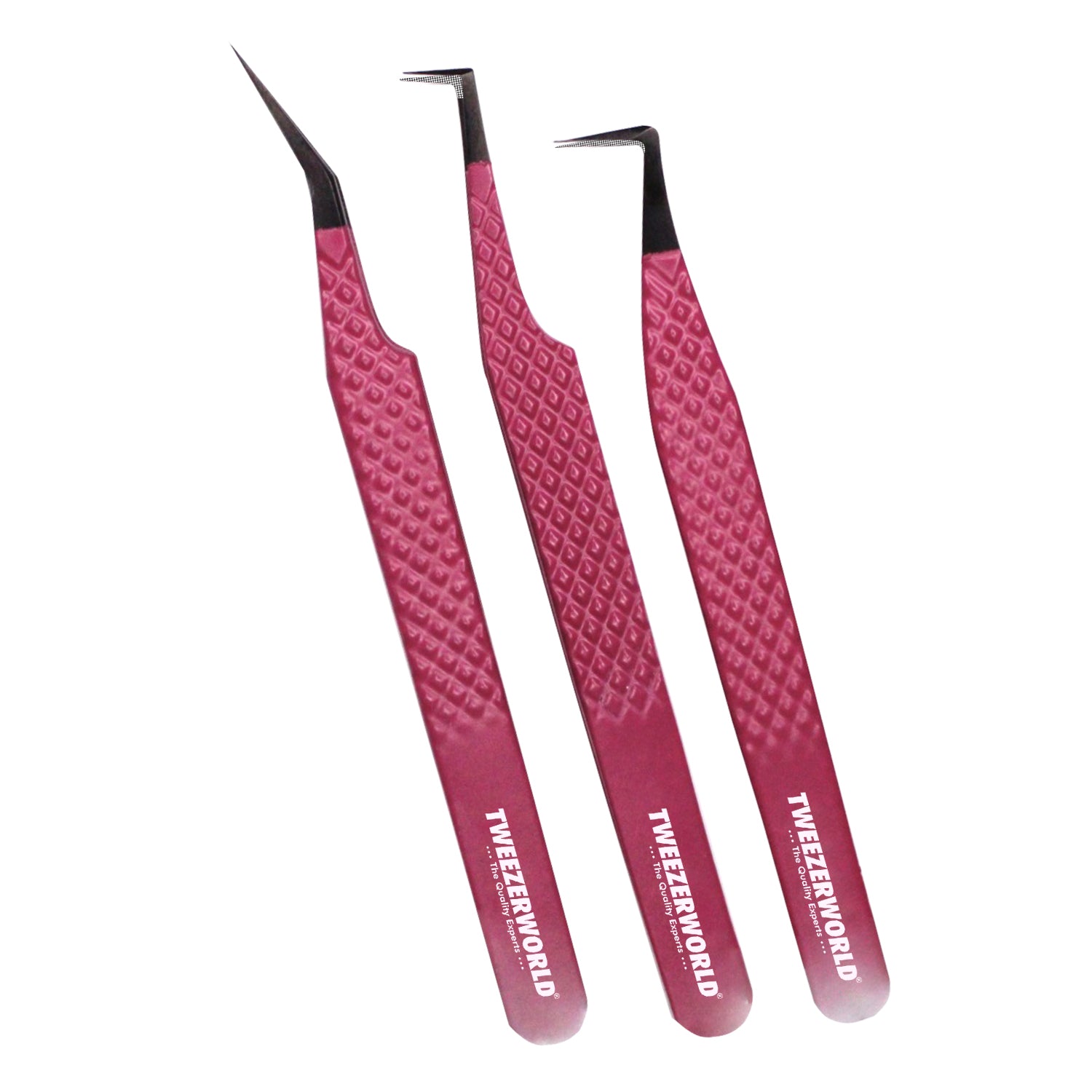
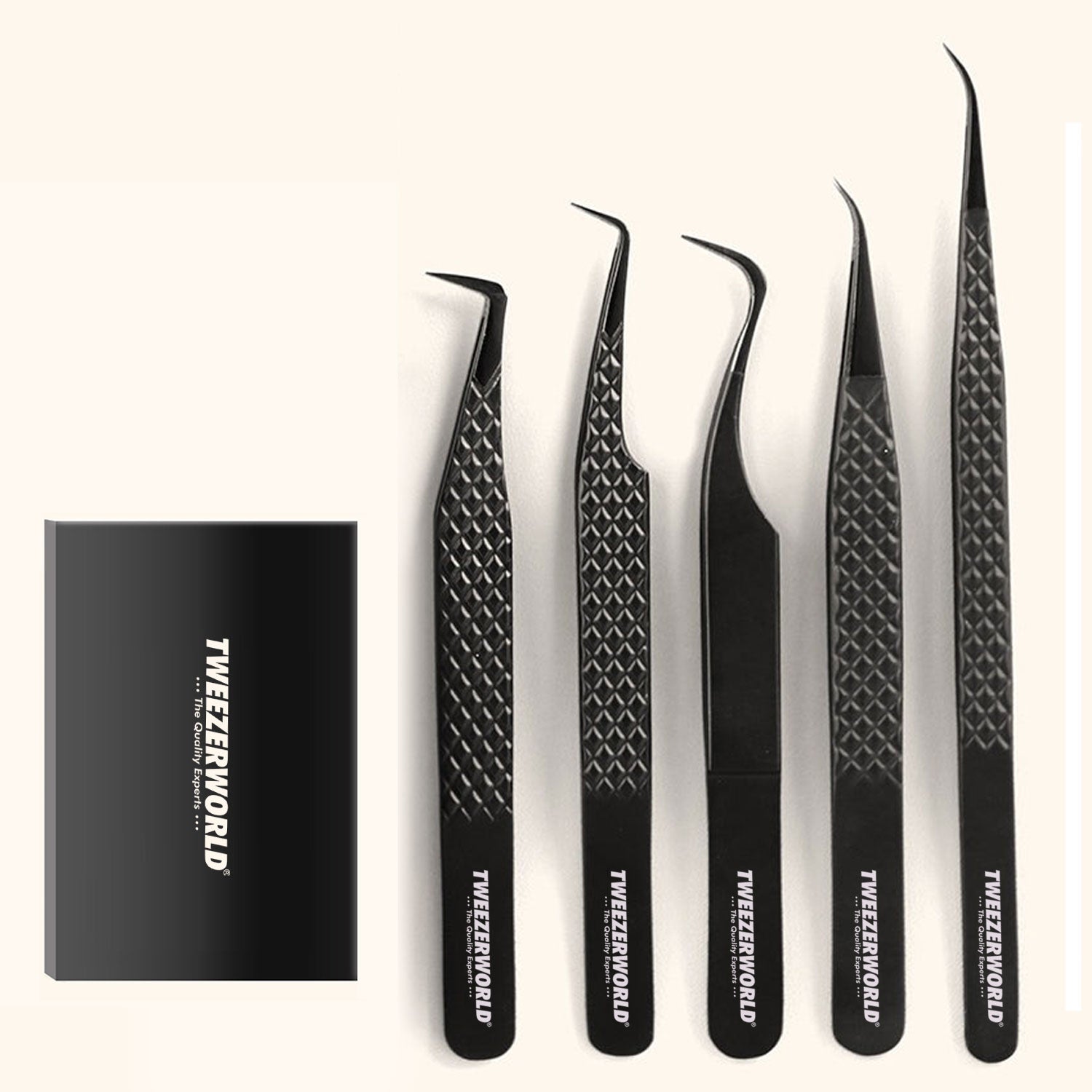
Compare candidate geometries
- Ultra-fine straight: direct access and high visibility around small parts.
- 30° or 45° angled: improved approach where surrounding components obstruct a vertical grip.
- Reverse action: continuous holding without sustained finger pressure, subject to force evaluation.
- Ceramic tip: a candidate where metal contact is undesirable; exact properties require model-specific evidence.
- Broad or controlled contact: spreads load where concentrated point contact may damage a surface.
Specify measurable characteristics
For each SKU, record overall length, weight, tip width and thickness, contact length, angle, material identification, surface finish, free opening and closing force at a defined opening and grip position. “Light tension” and “fine tip” are not acceptance criteria unless the measurement method and permitted range are stated.
Treat ESD as a verified property
Use in an electronics area does not automatically make a tweezer ESD-safe. If electrical behavior matters, define the required property, test method, environmental conditions, result, acceptance limit and sample or lot identity. Until the exact model has supporting evidence, record the status as Pending / Not Verified.
Inspect alignment and contact
Check the closed tips under suitable magnification. Look for lateral offset, crossing, twisting, burrs, uneven contact and deformation. Test pickup and release with representative components or approved substitutes. Record slips, component marking, sticking, access interference and operator feedback.
Evaluate material and finish
Stainless steel, anti-magnetic alloys, titanium and ceramic-tipped tools can behave differently. Material names alone do not prove corrosion, magnetic, chemical, temperature or surface-contact performance. Ask for exact material identification and require the tests relevant to the intended process.
Approve a golden sample
The approved reference should carry a model number, sample revision, date and signatures. Link it to a controlled specification covering dimensions, geometry, tension, finish, marking and packaging. Retain matching samples with the buyer and supplier where practical.
Build the batch inspection plan
Classify defects as critical, major or minor. Alignment, burrs, broken tips and incorrect material may require stricter controls than cosmetic variation. Define sampling level, acceptance limits, measuring equipment, inspection lighting, records and disposition of rejected units before production.
Distributor qualification checklist
- Application and permitted contact zones documented
- Candidate geometry selected by task
- Dimensions and closing force measured
- Material and finish identified
- ESD or other special properties tested when required
- Representative handling trial completed
- Golden sample and specification approved
- Packaging protects working tips
- Change-control requirements agreed
Request an electronics-tweezer evaluation set
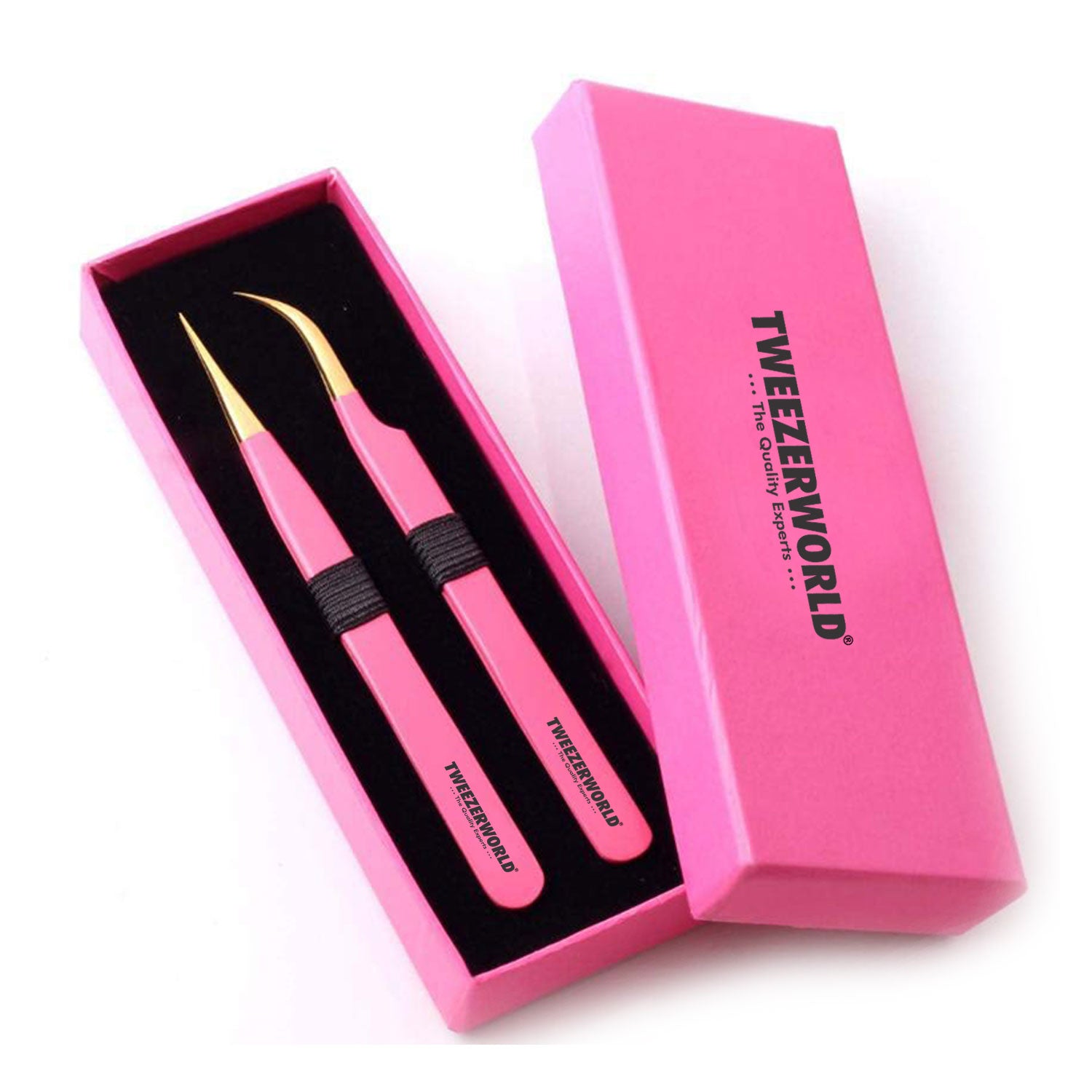
TWEEZER WORLD® manufactures precision tweezers for electronics, semiconductor and technical-distributor evaluation. Contact tweezersworld@gmail.com or WhatsApp +92 321 6194723 with the component, handling task, required evidence, quantity and target market.
Related technical routes: Precision Tweezers · Electronics Repair Tweezers · Semiconductor Micro-Handling Tweezers · Quality Control · OEM Process.
Papular Products Gallery