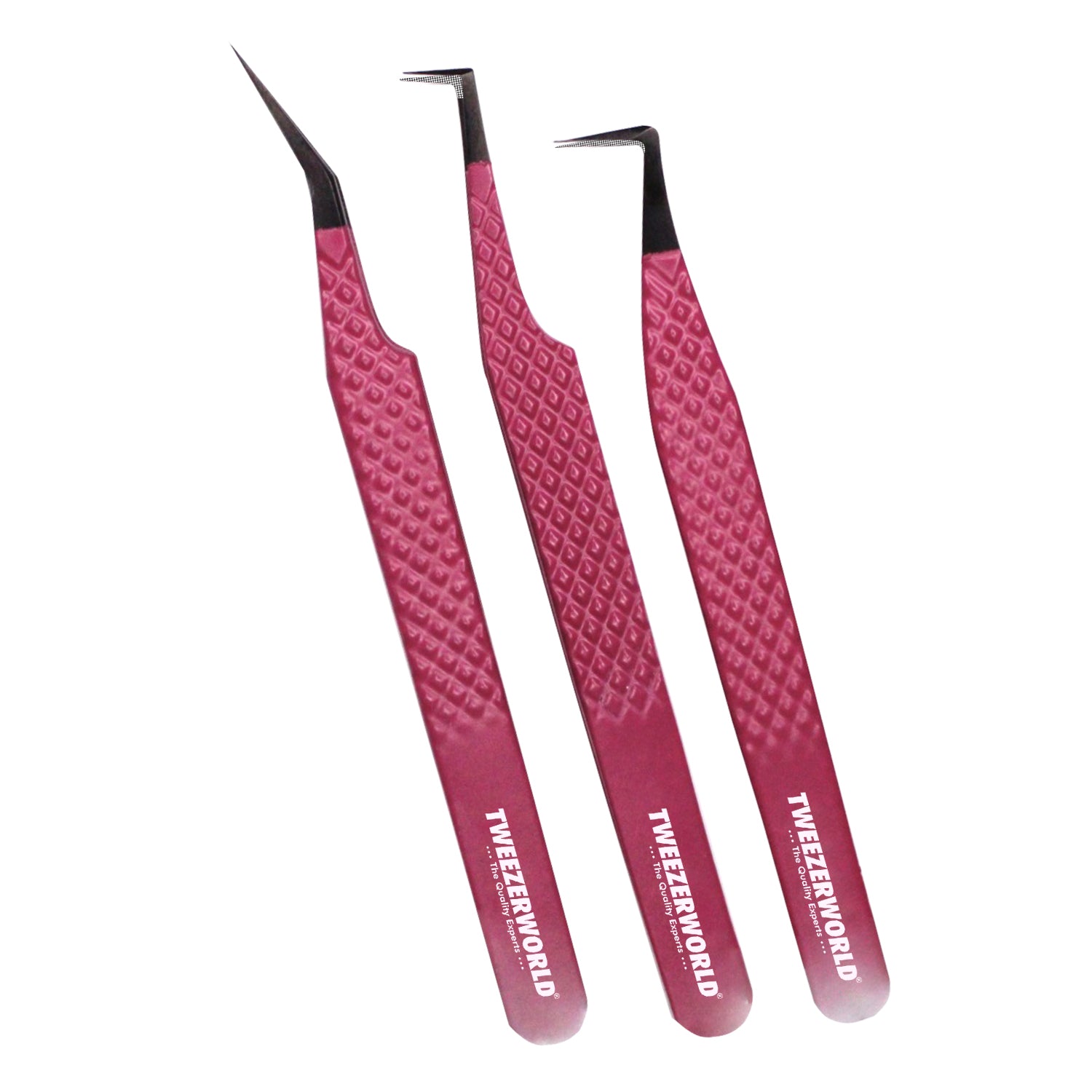

Private-Label Fiber Tip Tweezers: Testing Claims
Private-Label Fiber Tip Tweezers: Building Claims from Sample Testing
Private-label lash brands often want simple, confident product claims: stronger grip, easier fan pickup, a wider sweet spot, reduced slipping or suitability for a particular volume technique. Those claims may sound commercially useful, but they should not be created from texture appearance, supplier assurances or one successful demonstration.
A fiber tip is a textured inner contact surface. Its practical performance also depends on tip shape, closing geometry, contact length, arm stiffness, spring tension, finish, lash diameter, adhesive conditions and the artist’s technique. Two tweezers with similar-looking texture can behave differently in use.
This guide explains how lash brands, academies, distributors and OEM buyers can convert sample testing into accurate, model-specific claims while preserving traceability from the approved sample to bulk production.
Important: This is a product-development and procurement guide, not legal advice. Advertising rules depend on the markets where the product is sold. Claims should be reviewed against the applicable laws, advertising codes and available evidence.
Why Claims Should Begin With the Exact Model
“Fiber tip tweezers” describes a broad product category, not one standardized level of performance. The brand should first freeze the model that will be tested:
- Unique SKU and drawing revision
- Overall length and weight
- Tip shape and working angle
- Tip width, thickness and contact length
- Inner-tip texture: hex, straight-line, cross or another controlled pattern
- Texture coverage and location
- Body material and finish
- Spring-tension range
- Closing and alignment acceptance criteria
- Logo, coating boundary and packaging
If the factory changes the geometry, texture process, material, tension or finishing method after testing, the evidence may no longer support the claim. The test record should therefore identify the exact sample and revision.
Separate Product Facts from Performance Claims
| Statement type | Example | Evidence approach |
|---|---|---|
| Construction fact | Cross-textured inner tips | Approved drawing and visual inspection |
| Dim specification | Light spring-tension classification | Defined force range and measurement method |
| Application description | Designed for selected volume techniques | Geometry rationale plus representative trials |
| Comparative claim | More grip than our smooth-tip model | Like-for-like comparative protocol and results |
| Absolute claim | No slipping or perfect pickup | Usually too broad to support; rewrite |
| Capacity claim | Suitable for fans up to a stated dimension | Defined lashes, method, users, success criteria and limitations |
The US Federal Trade Commission states that advertisers should have a reasonable basis for objective claims before they are disseminated. In the UK, CAP Code rule 3.7 requires documentary evidence for objective claims capable of substantiation, while rule 3.11 addresses exaggerated capability or performance. Review the official FTC advertising-substantiation policy and CAP Code section on misleading advertising.
Do Not Treat Texture as the Whole Product
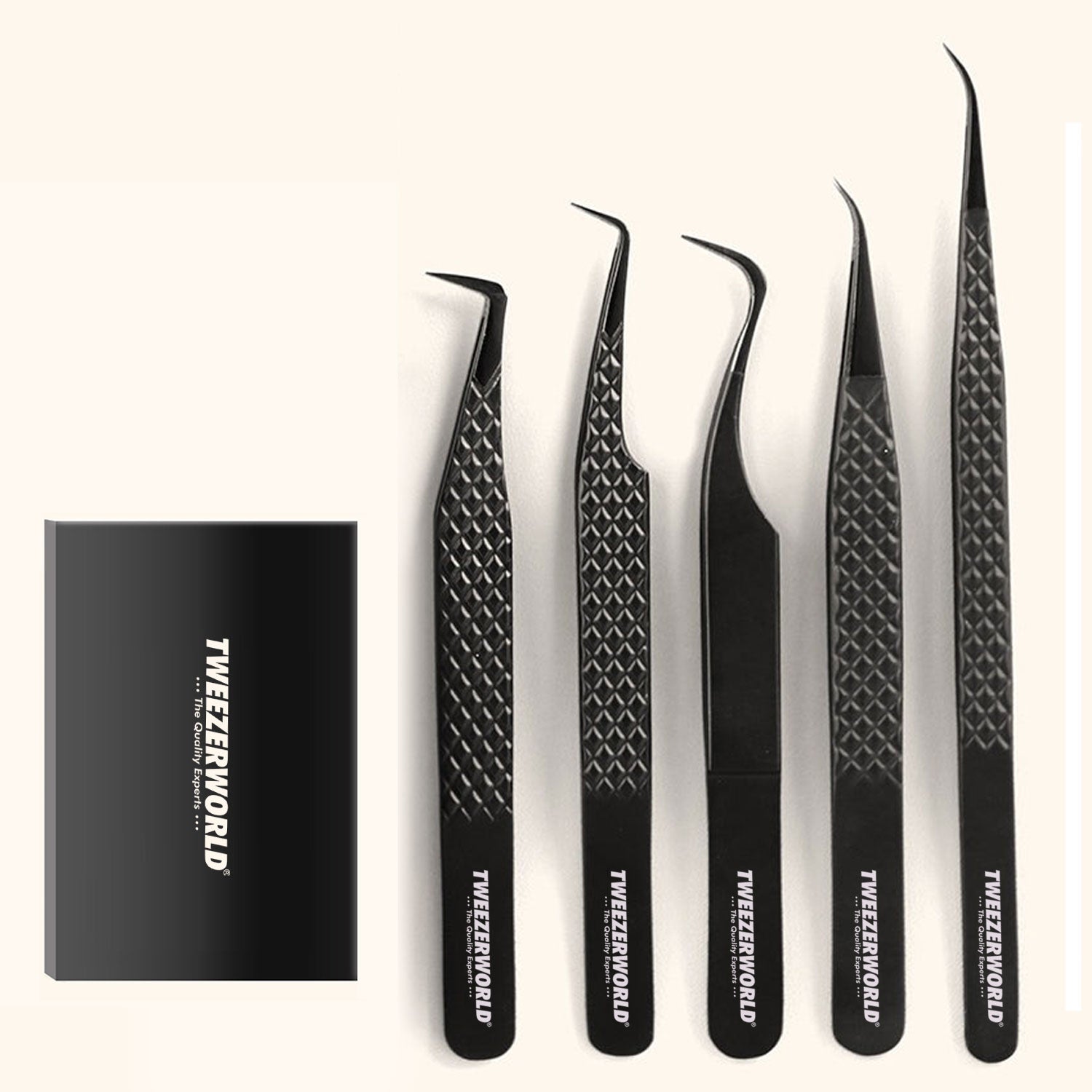
Hex, straight-line and cross textures describe the form of the inner contact surface. They do not automatically establish one pattern as the best choice for every artist or technique.
Texture can increase surface interaction, but useful grip still depends on whether the tips meet evenly. A highly textured pair with twisted or partial contact may perform less consistently than a correctly aligned pair with a different texture. Claims should therefore be based on the complete finished tweezer, not a close-up image of the texture alone.
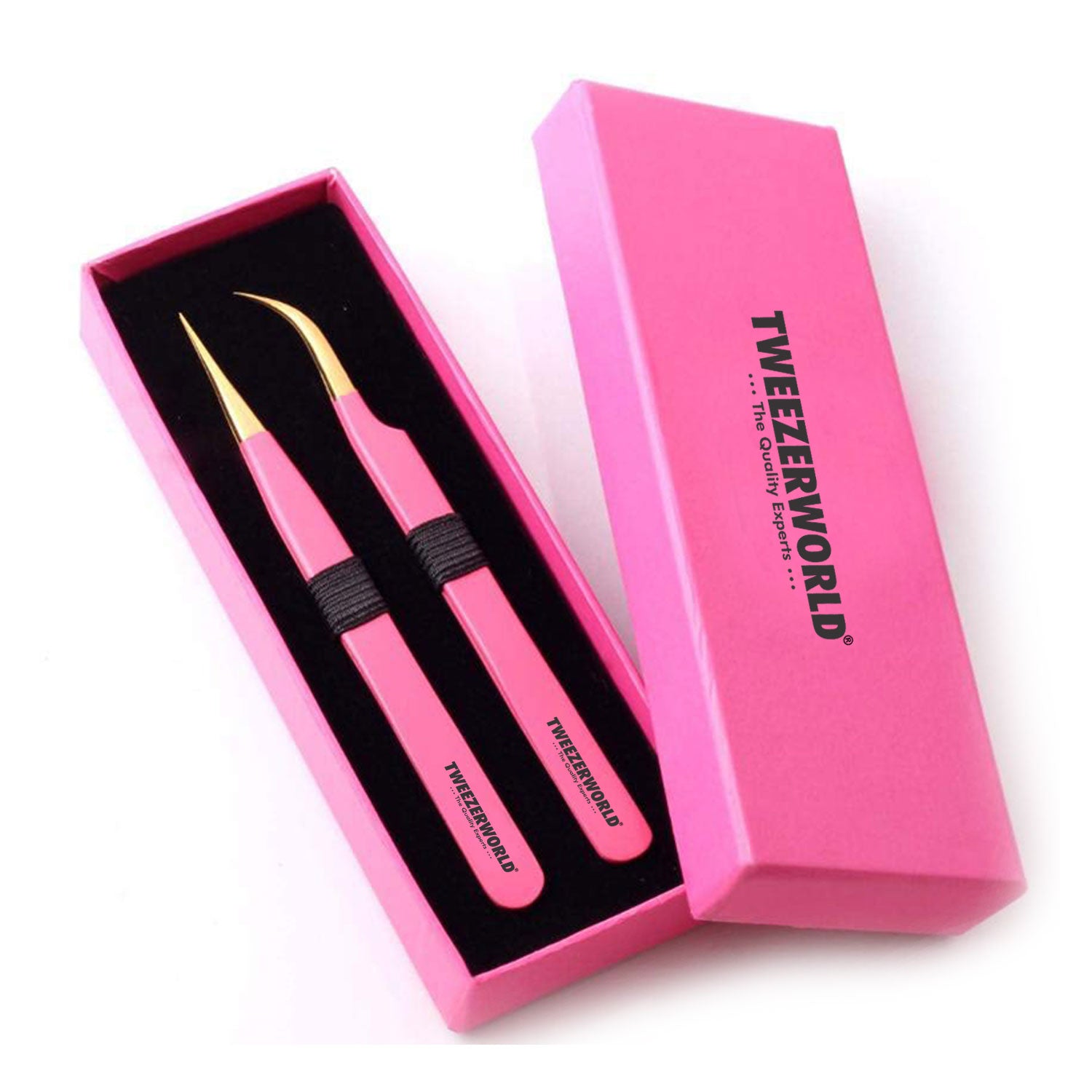
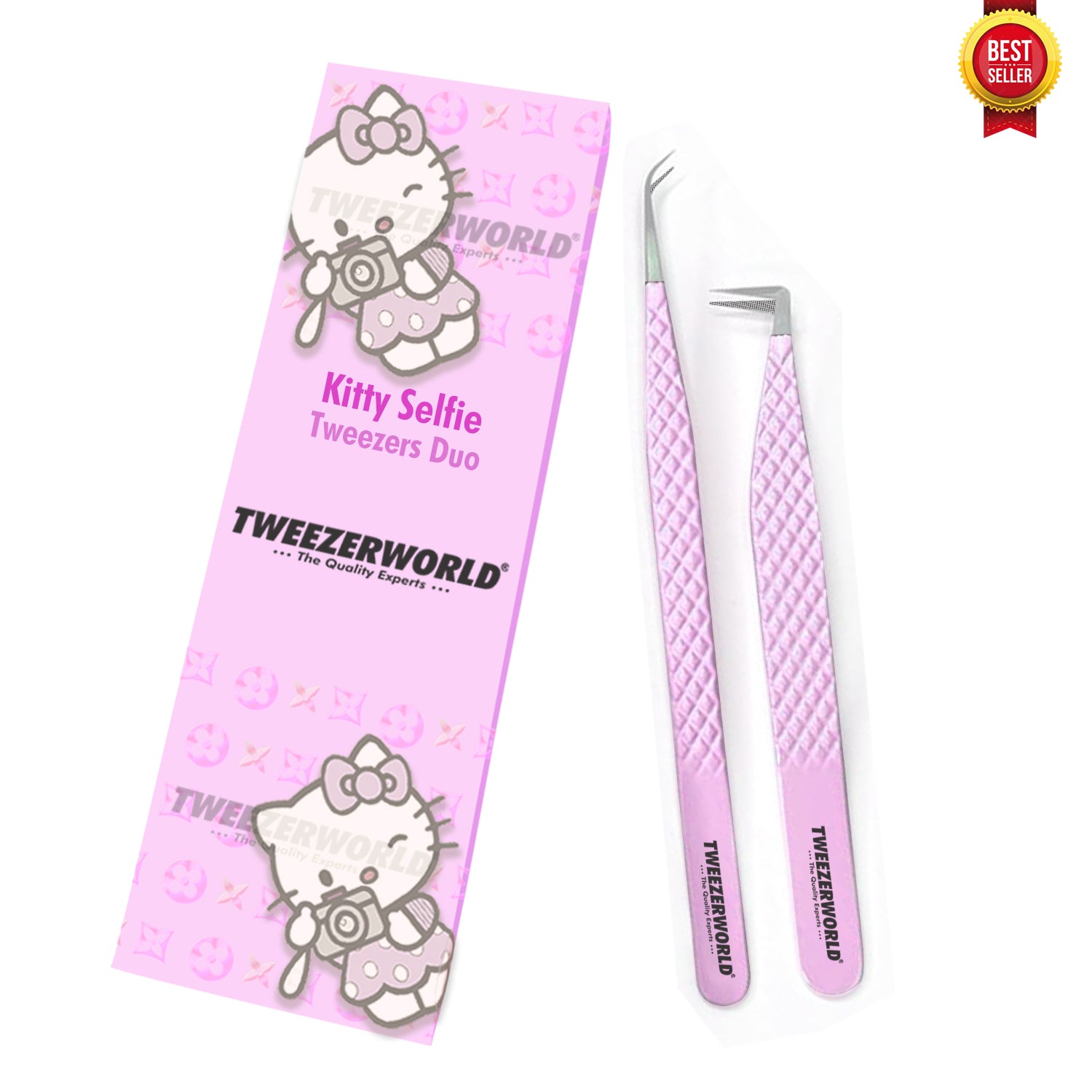
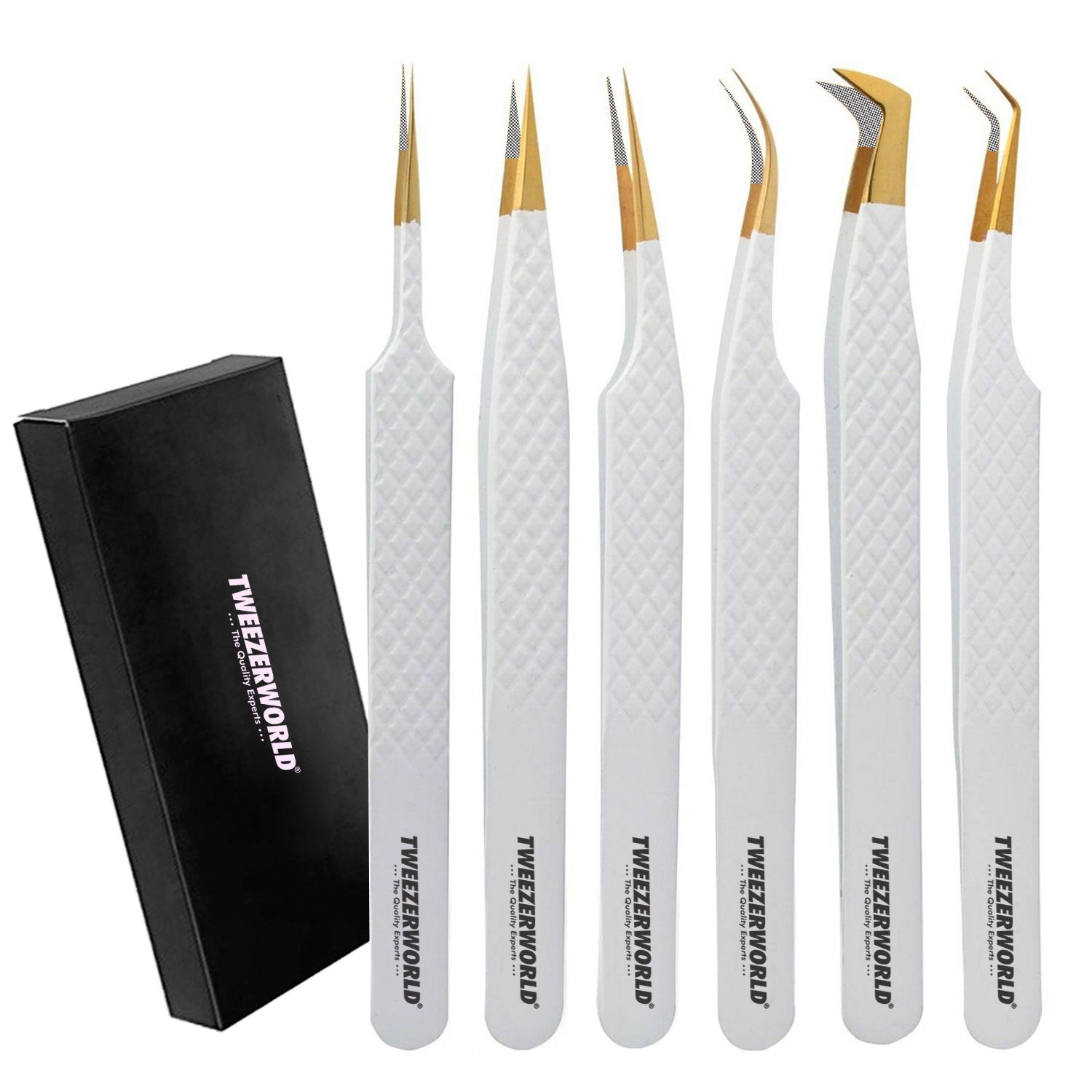
Brands can compare the available patterns in the TWEEZER WORLD® Fiber Tip Lash Tweezers collection, but final selection should follow controlled samples of the exact model.
Create a Written Test Question Before Testing
A vague question such as “Is this tweezer good?” produces vague evidence. Each trial should begin with a question that identifies the model, task, comparison and evaluation conditions.
Examples include:
- Can trained volume artists repeatedly pick up the selected lash diameter using the specified technique?
- Does the fiber-tip version show a higher successful-pickup rate than the brand’s otherwise comparable smooth-tip model?
- Do most evaluators classify the spring tension as light, medium or firm when measured results fall inside the agreed range?
- Does the contact zone remain consistent after a defined number of normal closing cycles?
- Does routine cleaning change texture condition, tip alignment or pickup behavior?
The final marketing language should not be broader than the question the test actually answered.
Build a Representative Sample Set
One hand-selected “perfect” pair is useful for design discussion but weak evidence for production performance. Include multiple randomly selected tweezers from the intended process and, where possible, more than one production run.
Record for every sample:
- Supplier, model, SKU and revision
- Sample or lot identifier
- Tip texture and finish
- Measured closing force
- Tip alignment and contact pattern
- Date received and date tested
- Any adjustment, cleaning or damage before testing
The sample count should be justified by the claim, product risk, expected production variation and commercial importance. A small exploratory panel can guide design selection, but it should not be described as universal proof.
Control the Lash-Test Conditions
Fan-building performance changes when the lash material or technique changes. A useful test protocol should identify:
| Variable | What to record | Why it matters |
|---|---|---|
| Lash fiber | Brand, material, curl and finish | Surface behavior varies |
| Diameter and length | Exact dimensions tested | Changes bundle size and flexibility |
| Technique | Pinching, rolling, lonely-fan or other method | Different contact zones are used |
| Pickup location | Strip position and tweezer contact point | Affects grip and fan formation |
| Environment | Relevant temperature and humidity | Can influence adhesive and handling |
| Cleaning condition | New, cleaned or defined-use state | Residue changes contact behavior |
| Operator | Experience and preferred technique | Skill and familiarity affect results |
Do not combine results obtained from different lash diameters or techniques into one simple capacity number unless the protocol supports that calculation.
Measure More Than “Grip”
Grip is not one directly observable characteristic. Break it into defined outcomes:
- Successful pickup on the first attempt
- Ability to maintain the bundle during fan creation
- Visible lash movement or slipping before release
- Fan consistency under the selected method
- Controlled placement and clean release
- Force required from the user
- Comfort during a defined work period
- Marks, bending or damage to test fibers
Use a fixed number of attempts and a written definition of success. If evaluators use different interpretations of “successful,” the combined result will be unreliable.
Combine Instrument Measurements with Artist Trials
Technician feedback is valuable, but it should be interpreted beside measurable tool characteristics.
| Inspection | Example controlled output |
|---|---|
| Tip alignment | Pass/fail against defined gap, crossing, offset and twist limits |
| Contact zone | Location and approximate length of closed-tip contact |
| Closing force | Force range at a stated opening and measurement point |
| Tip dimensions | Width, thickness, angle and radius at defined locations |
| Texture coverage | Length and boundaries compared with the drawing |
| Surface condition | No burrs, contamination, loose coating or unintended sharp edges |
A model may receive positive artist feedback because it suits that artist’s hand, preferred grip position and technique. That is useful selection information, but it does not replace dimensional or functional inspection.
Use Blind or Coded Comparisons Where Practical
Brand appearance, color and expectations can influence subjective ratings. For comparative trials, identify samples with neutral codes and keep the test instructions consistent. Randomize the order where practical.
If comparing fiber and smooth tips, use models with similar geometry and tension. Otherwise, the test may measure several product differences at the same time. Record all known differences rather than attributing the result only to texture.
Separate Evaluation Results from Marketing Language
After testing, translate the evidence into a narrowly framed claim.
| Risky wording | More supportable alternative |
|---|---|
| Perfect grip every time | Textured inner tips designed to support controlled pickup |
| Never slips | Evaluated for pickup and holding performance under defined test conditions |
| Works for every lash artist | Sample evaluation is recommended because technique and tension preferences vary |
| Guaranteed for all fan sizes | Tested with the listed lash diameter, length and technique |
| Best fiber tip tweezer | Compare the model’s geometry, tension and texture for your intended technique |
| Creates fans automatically | Designed to support trained manual fan-building techniques |
| Zero hand fatigue | Available with a defined light or medium closing-force range |
Qualifications should be close to the claim, clear and readable. A small disclaimer cannot repair a headline that communicates the opposite message.
How to Handle Fan-Capacity Claims
A statement such as “2D–16D” can be useful only when the basis is defined. Fan capacity is affected by lash diameter, fiber type, length, pickup method, adhesive strip, tip contact zone and artist skill. A fan made with thinner fibers is not equivalent to one made with thicker fibers.
If a brand wants to publish a capacity range, its test record should include:
- Exact model and sample count
- Lash diameter, length, curl, material and supplier
- Fan-building technique
- Number of artists and their relevant experience
- Attempts at each tested fan size
- Definition of a successful fan
- Failure modes and unsuccessful results
- Environmental and cleaning conditions
- Scope and limitations of the conclusion
Where the evidence is exploratory or user-dependent, “commonly selected for volume and mega-volume techniques” may be more appropriate than a guaranteed capacity. Avoid implying that texture alone determines fan size.
Create an Approved Claim Record
For each published claim, maintain a short controlled record linking the words used to supporting evidence.
| Claim-record field | Required information |
|---|---|
| Claim ID | Unique reference for internal control |
| Approved wording | Exact website, packaging or catalogue text |
| Product scope | SKU, model, texture, finish and revision |
| Evidence | Inspection report, trial protocol and results |
| Limitations | Tested technique, lash variables and user group |
| Approval | Responsible person and approval date |
| Review trigger | Design, supplier, process, material or complaint change |
This prevents a cautious test conclusion from becoming an absolute marketplace claim during copywriting.
Preserve the Link Between Sample and Bulk Production
Sample approval is meaningful only when the supplier can reproduce the approved characteristics. Keep a signed golden sample linked to the product drawing, specification and claim record.
Bulk acceptance criteria can include:
- Correct model, texture and coating boundary
- Tip alignment and defined contact pattern
- Closing force inside the approved range
- Tip dimensions and working angle
- Clean, consistent texture without polishing residue
- Finish, logo and packaging conformity
- Tip protection during transport
- Lot-linked final inspection records
Critical functional features may justify 100% inspection. Other characteristics can use an agreed, risk-based sampling plan. Writing only “AQL inspection” is incomplete unless the inspection level, defect categories and acceptance limits are defined.
Re-Test After Material or Process Changes
A supplier should not change the features supporting a claim without written approval. Controlled changes may include:
- Steel grade or raw-material supplier
- Tip geometry or tooling
- Texture pattern, depth or coverage
- Heat treatment or spring formation
- Polishing, coating or cleaning process
- Manufacturing site or subcontractor
- Inspection method or equipment
The buyer should decide whether the change requires document review, new samples, limited re-testing or full requalification. Customer complaints, increasing return rates and batch drift should also trigger review.
Private-Label Sample-Testing Checklist
| Field | Buyer requirement |
|---|---|
| Product model | Unique SKU and controlled drawing revision |
| Intended technique | Defined classic, volume, mega-volume or isolation task |
| Texture | Hex, straight-line, cross or other approved pattern |
| Sample selection | Documented quantity and selection method |
| Mechanical inspection | Alignment, dimensions, contact pattern and closing force |
| Lash variables | Material, curl, diameter, length and strip |
| Artists | Number, experience and preferred techniques |
| Trial method | Defined attempts, order and success criteria |
| Results | Individual and summary data, including failures |
| Approved claims | Exact wording tied to the evidence |
| Golden sample | Signed reference linked to specifications |
| Batch control | Inspection plan and lot records |
| Change control | Notification, approval and re-test triggers |
Frequently Asked Questions
Can one artist’s test support a product claim?
One artist can provide useful development feedback, but the result reflects that person’s technique, experience and preferences. Broader claims require appropriately broader evidence.
Does a fiber tip guarantee better grip?
No. Texture may increase surface interaction, but performance also depends on alignment, contact geometry, tension, lash characteristics and user technique.
Can every pair be marketed with the same fan-capacity range?
Not automatically. Capacity evidence should apply to the exact model and define the tested lash diameter, technique, conditions and success criteria.
What is the difference between sample testing and batch inspection?
Sample testing helps qualify the design and potential claims. Batch inspection checks whether production continues to match the approved specification and reference sample.
Should subjective artist feedback be discarded?
No. Comfort, balance and technique compatibility are important. Record subjective feedback separately from measured dimensions, force and pass/fail results.
When should a brand re-test a fiber tip tweezer?
Re-test when relevant materials, geometry, texture, tension, processes or manufacturing sites change, or when complaint and return data suggest performance drift.
Build the Claim Around the Evidence
A responsible private-label claim begins with a controlled model, a written test question and representative samples. It combines tool measurements with structured artist trials, reports unsuccessful results and states important limitations.
TWEEZER WORLD® works with lash brands, academies, distributors and OEM buyers on fiber tip lash tweezers, custom inner-tip textures, controlled spring tension, private-label marking, branded packaging, golden samples and agreed batch inspection. Learn more about our OEM and private-label tweezer manufacturing.
Request a Private-Label Fiber Tip Sample Evaluation
For a useful proposal, provide the preferred tweezer shapes, tip texture, tension, finish, logo, packaging, intended techniques, target quantity and destination market.
Papular Products Gallery