
How to Select Tweezers for AI-Server PCB and Electronics Work
How to Select Tweezers for AI-Server PCB and Electronics Work
AI-server assemblies include many electronic handling tasks, but there is no single tweezer that fits every board, package and rework station. Choose according to component size, access, heat exposure, ESD sensitivity and the exact step in the work instruction.
Start with the component and station
Record package dimensions, nearby clearances, contact zones and whether the tool will touch leads, housings or other surfaces. Identify whether the task is tray transfer, inspection, placement, solder rework or removal. Follow the manufacturer's handling instructions for the board and component.
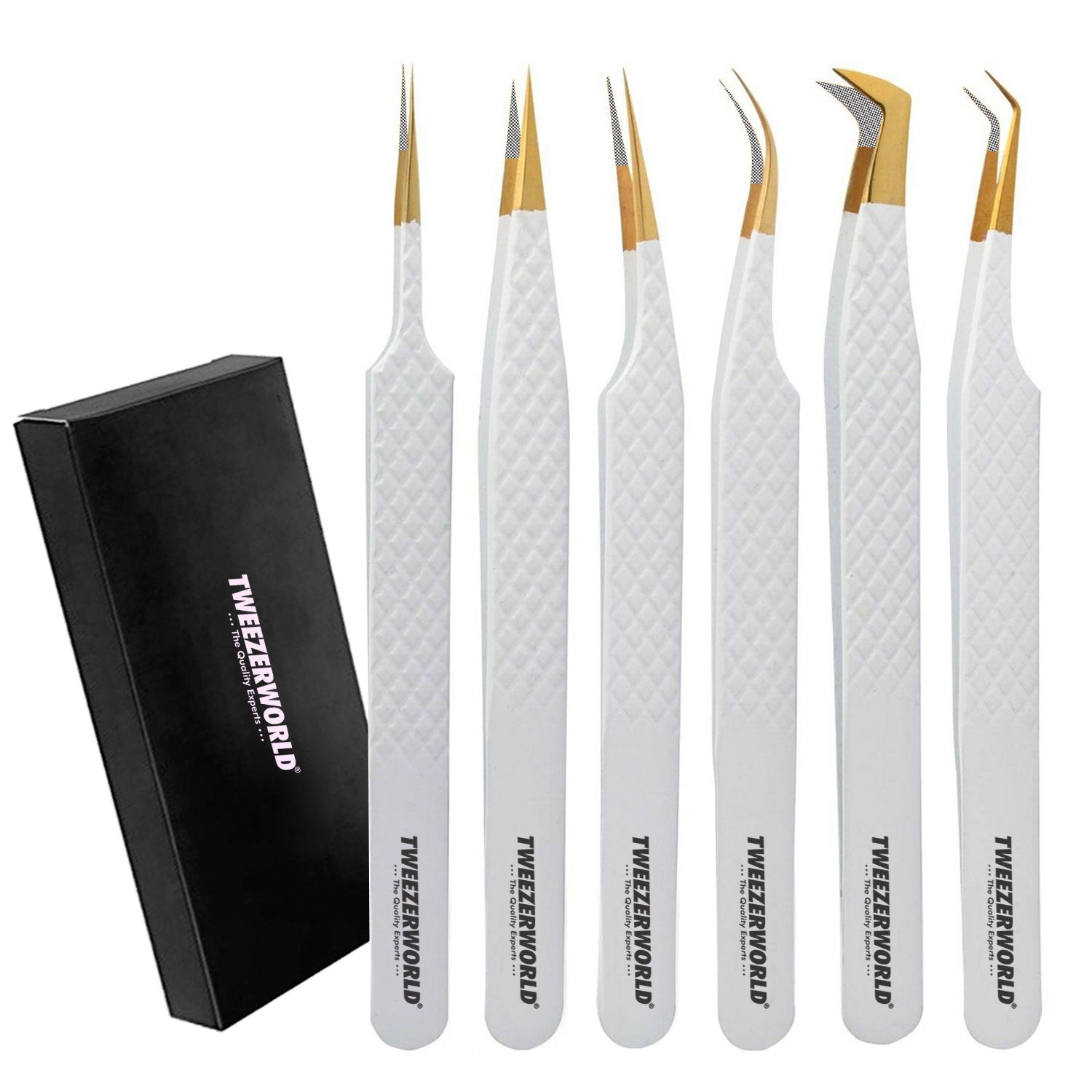
Match the tip to the task
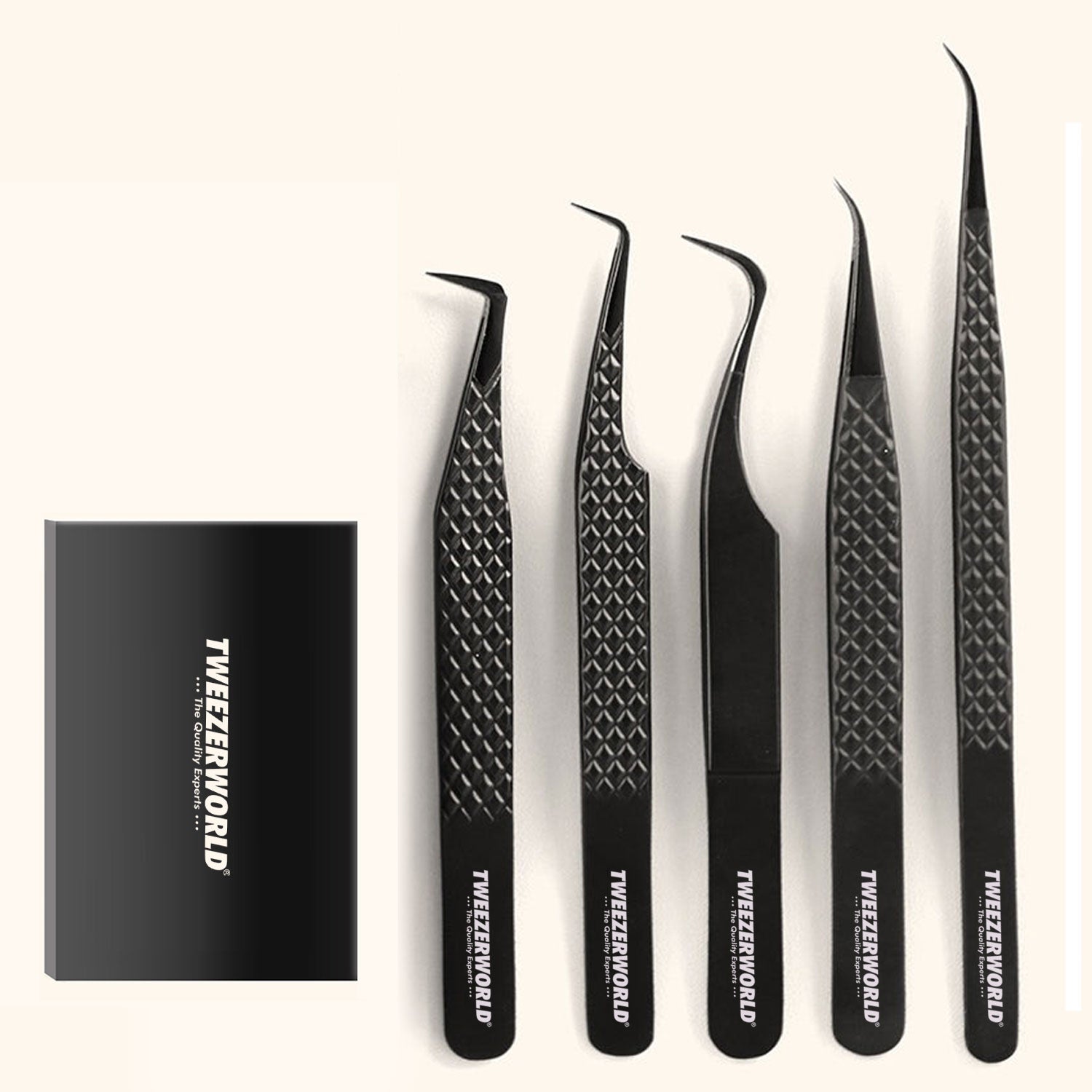
- Fine straight: direct access to a small permitted contact area.
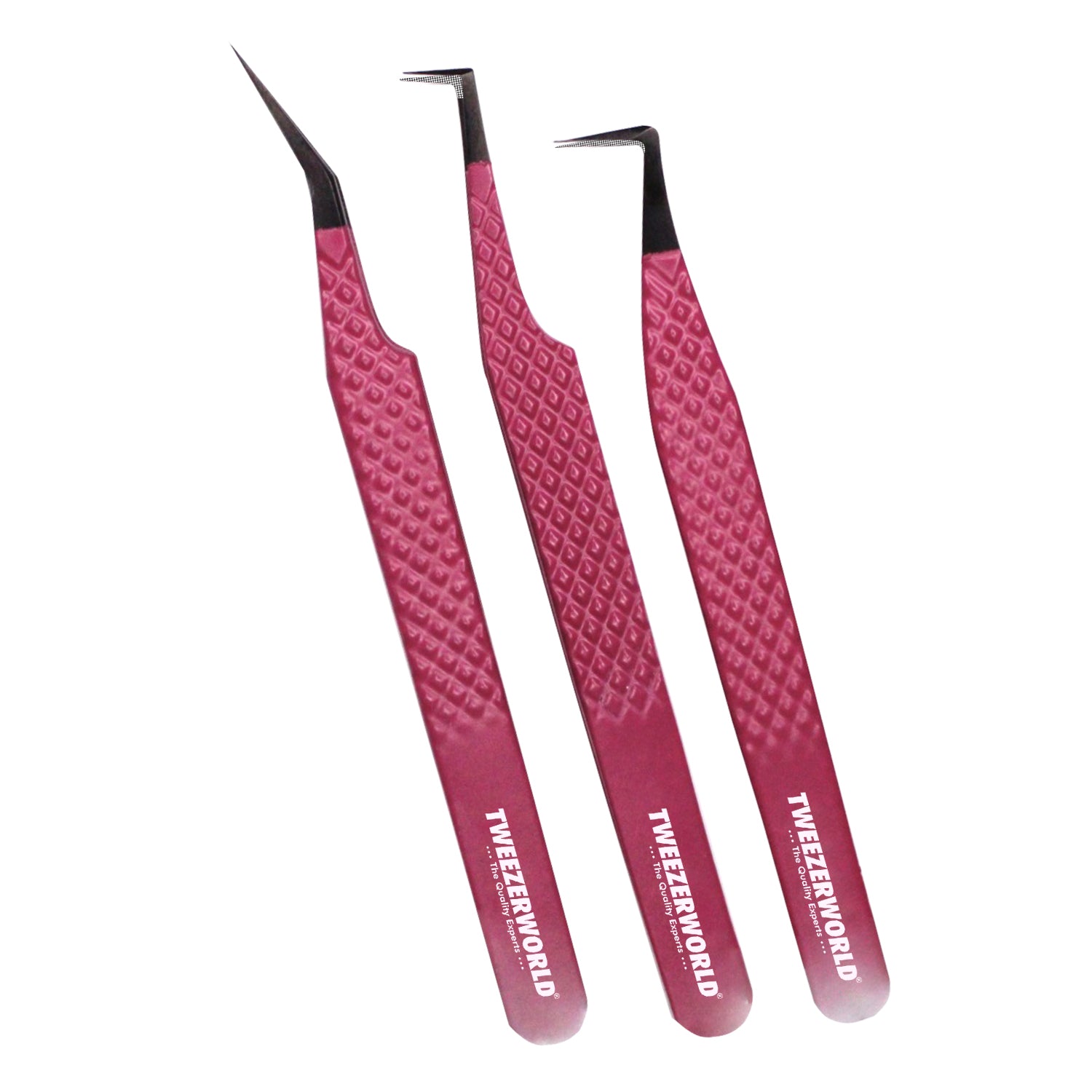
- 30° or 45° angled: visibility or clearance around nearby components.
- Flat or broad tip: a larger approved contact area on a compatible part.
- Reverse action: a holding behavior that must be trialled for force and release control.
- Ceramic tip: a candidate where nonmetallic contact or process heat is relevant, only within the selected model's documented limits.
Verify ESD suitability
“Electronics repair” does not establish that a tool is ESD safe. Ask for the specific tool's electrical test method and result, and review its use in the workstation's ESD control plan. The ESD Association notes that ESD control starts with the sensitivity of the items handled and that hand tools normally work within a grounded operator and work surface system. A coated handle or stainless-steel body is not a substitute for a documented process.
Trial before ordering
Compare tip closure under magnification, grip on representative parts, release behavior, spring tension and operator hand position. Inspect for scratching or bent leads. Record the tested model, part, operator, station and acceptance criteria. Repeat this evaluation after any change in tip geometry, coating or supplier specification.
Browse electronics repair tweezers, ESD and anti-static tweezers and optical component handling options.
Reference
EOS/ESD Association: Basic ESD control procedures and materials.
Choose an AI Optical Handling Category
Specify your task as Optical Component Handling; VCSEL/PIC Evaluation Tools; Transceiver Assembly & Inspection Tools; Fine Electronics/Connector Handling; or ESD-Controlled Models supported by model-specific testing. Submit the component drawing, permitted contact zones, required closing force and acceptance criteria for sample evaluation.
Compare the five handling categories and required evidence. ESD suitability requires documented results for the exact configuration. Ceramic or coated tips alone do not qualify a model.
Papular Products Gallery