
Precision Handling Tools for Optical Transceiver Assembly
Precision Handling Tools for Optical Transceiver Assembly
Optical transceiver work can involve small housings, sleeves, ferrules, connectors and electronic subassemblies. The right tweezer depends on the part actually contacted, the permitted contact zone and the station's process controls. A tool that works for a metal housing may be unsuitable for an exposed optical surface or delicate component.
Define the handling task first
Document the component dimensions, access angle, allowable contact points and transfer path. Note whether the operator picks from a tray, presents a part for inspection, positions a package during assembly or performs rework. Ask the component supplier which surfaces can safely be touched and whether the device is ESD sensitive.
Compare working tip geometry
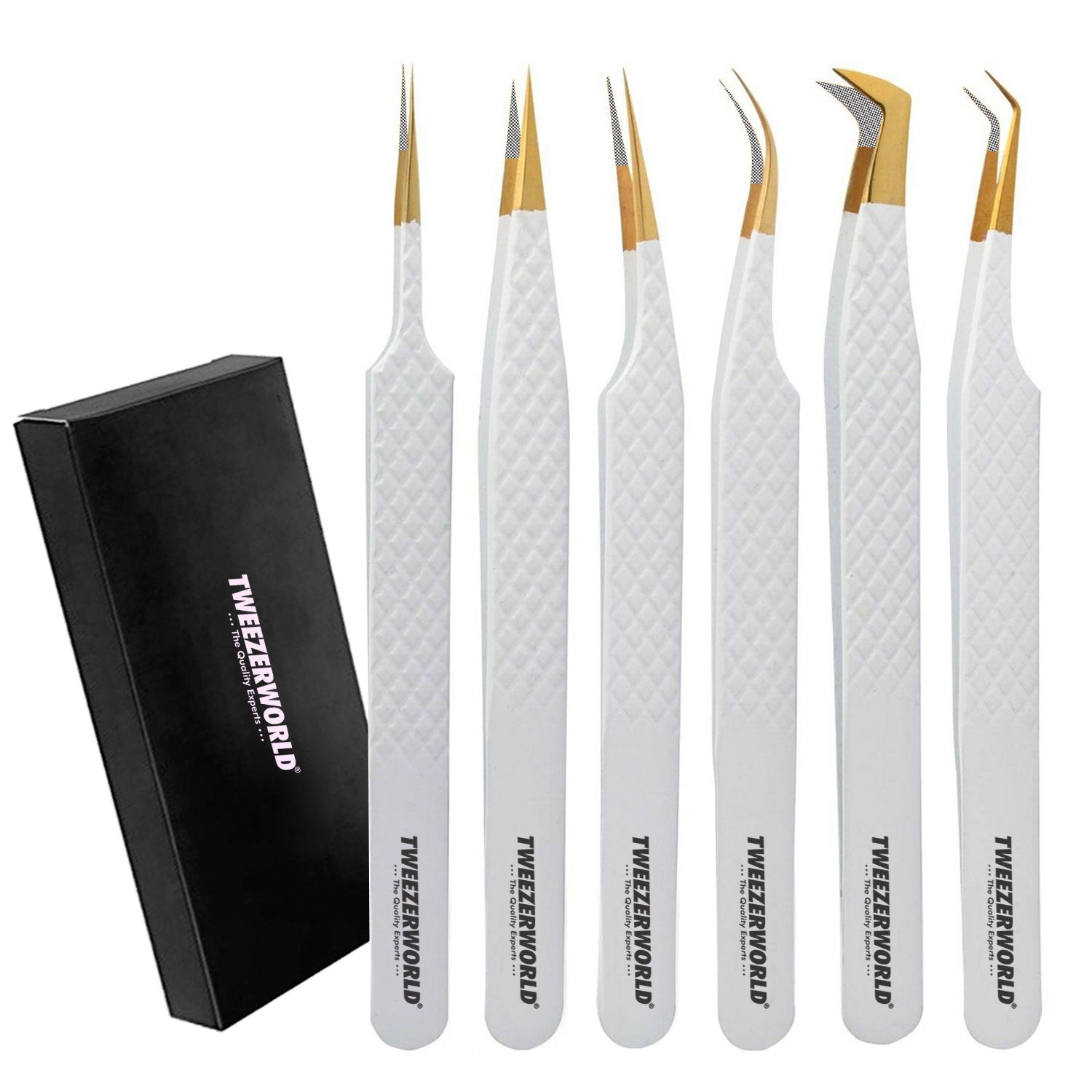
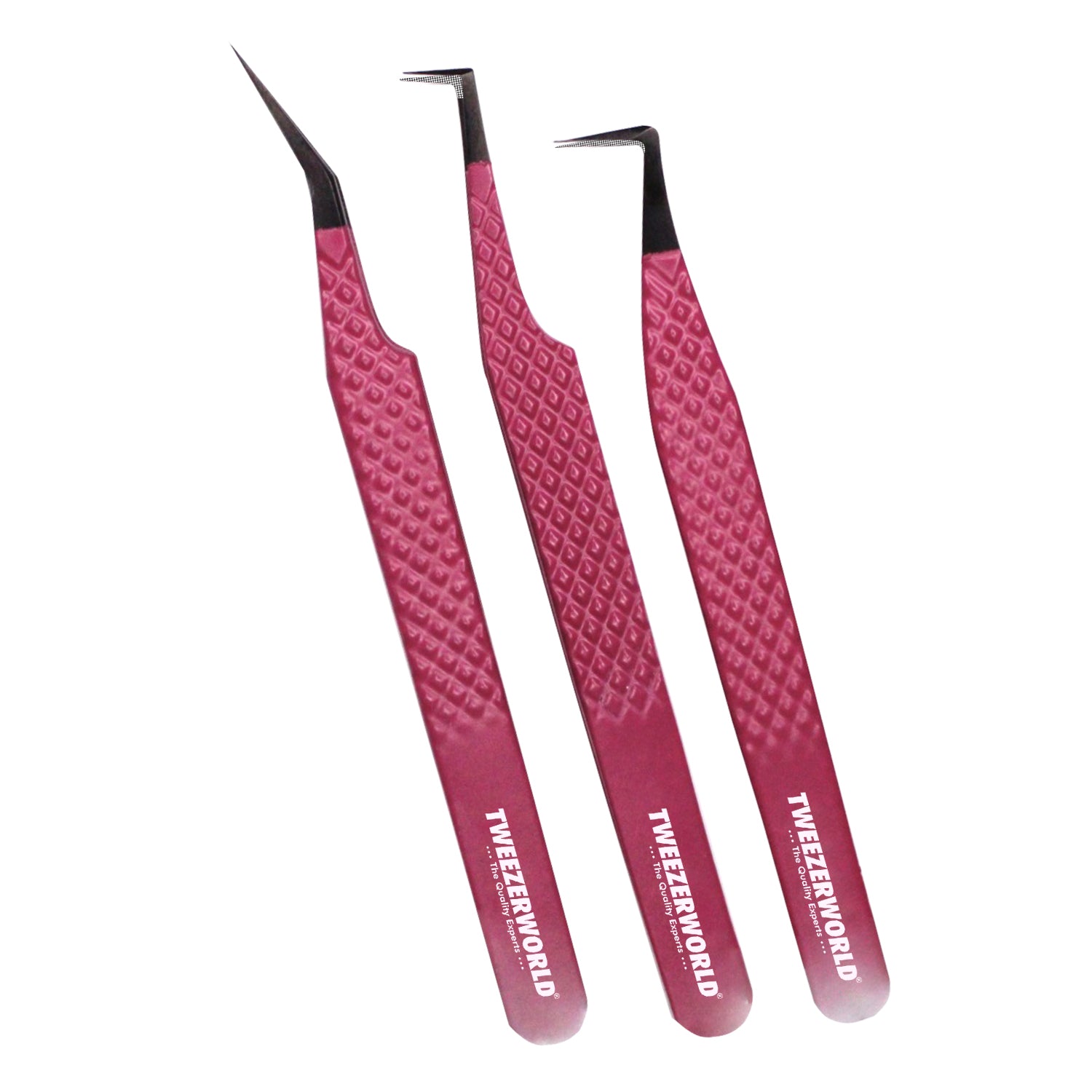
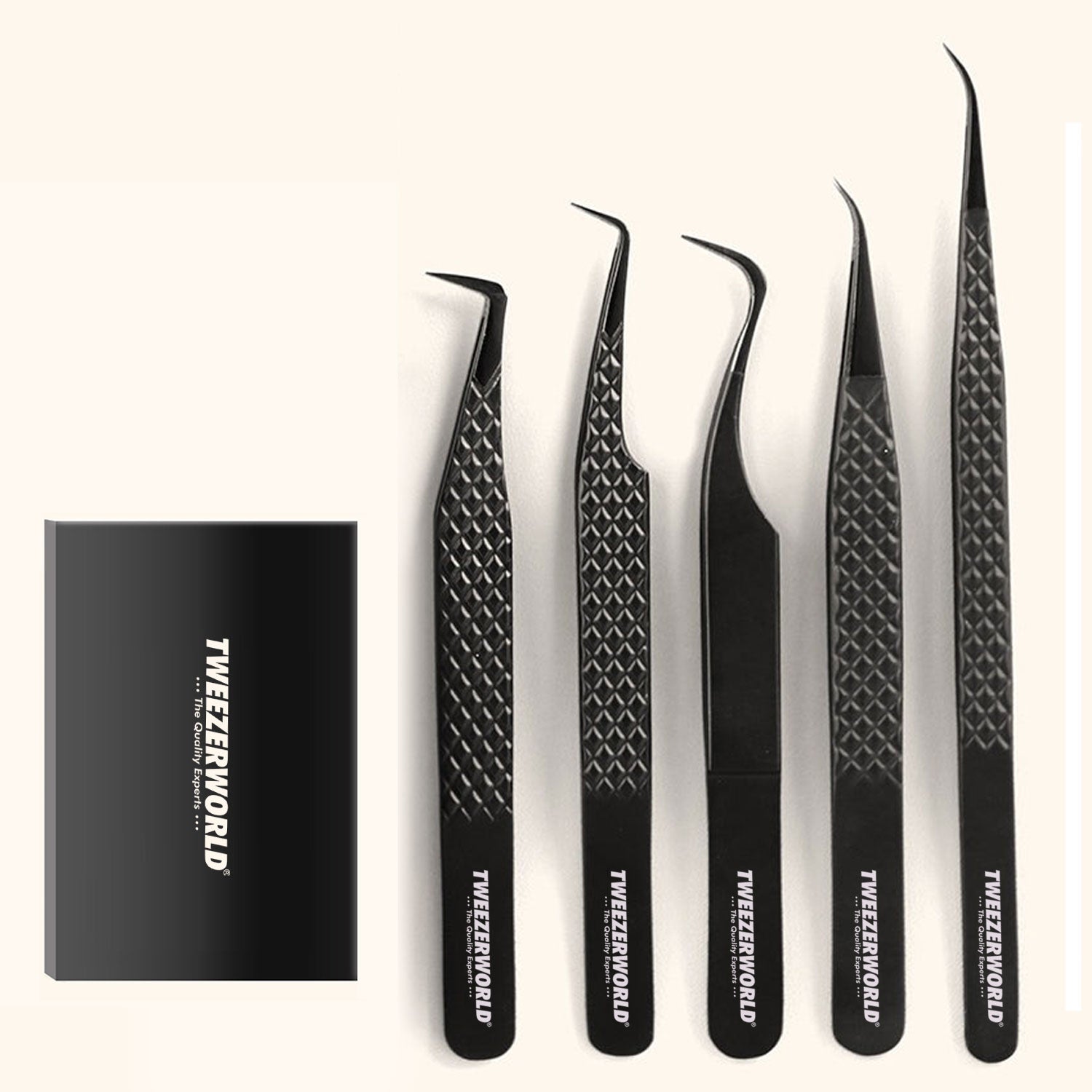
- Fine straight: direct access to small features when a narrow contact zone is permitted.
- Fine 30° or 45°: an offset approach where surrounding hardware restricts the hand position.
- Flat or paddle: broader supported contact for compatible housings, subject to approved contact zones.
- Reverse action: a holding force that changes when released; evaluate carefully to avoid overloading parts.
- Ceramic or non-marring contact: evaluate where the work instruction restricts metallic contact or visible marks.
Specify overall length, tip width and thickness, closing contact, spring tension and surface finish for each candidate. Do not infer safe handling from a broad category name.
ESD and cleanliness are process requirements
For sensitive electronics, select a tool within the site's ESD control program. The ESD Association explains that hand tools are normally considered as part of the grounded operator and work surface system; a product title alone cannot establish ESD suitability. Ask for model-specific electrical characterization and use the tool only under the work area's approved controls. Keep handling surfaces clean according to the component maker's instructions and inspect tips for burrs or damage before use.
Approve an evaluation set
Trial a fine straight, fine angled, reverse action, ceramic tip and non-marring candidate against representative components. Record whether contact stays within approved zones, any visible marking, part stability, clearance, operator feedback and repeatability. Agree the approved sample and inspection record before bulk production.
Explore Optical Component Handling Tweezers, semiconductor handling models and the OEM process.
Reference
EOS/ESD Association: Basic ESD control procedures and materials.
Choose an AI Optical Handling Category
Specify your task as Optical Component Handling; VCSEL/PIC Evaluation Tools; Transceiver Assembly & Inspection Tools; Fine Electronics/Connector Handling; or ESD-Controlled Models supported by model-specific testing. Submit the component drawing, permitted contact zones, required closing force and acceptance criteria for sample evaluation.
Compare the five handling categories and required evidence. ESD suitability requires documented results for the exact configuration. Ceramic or coated tips alone do not qualify a model.
Papular Products Gallery