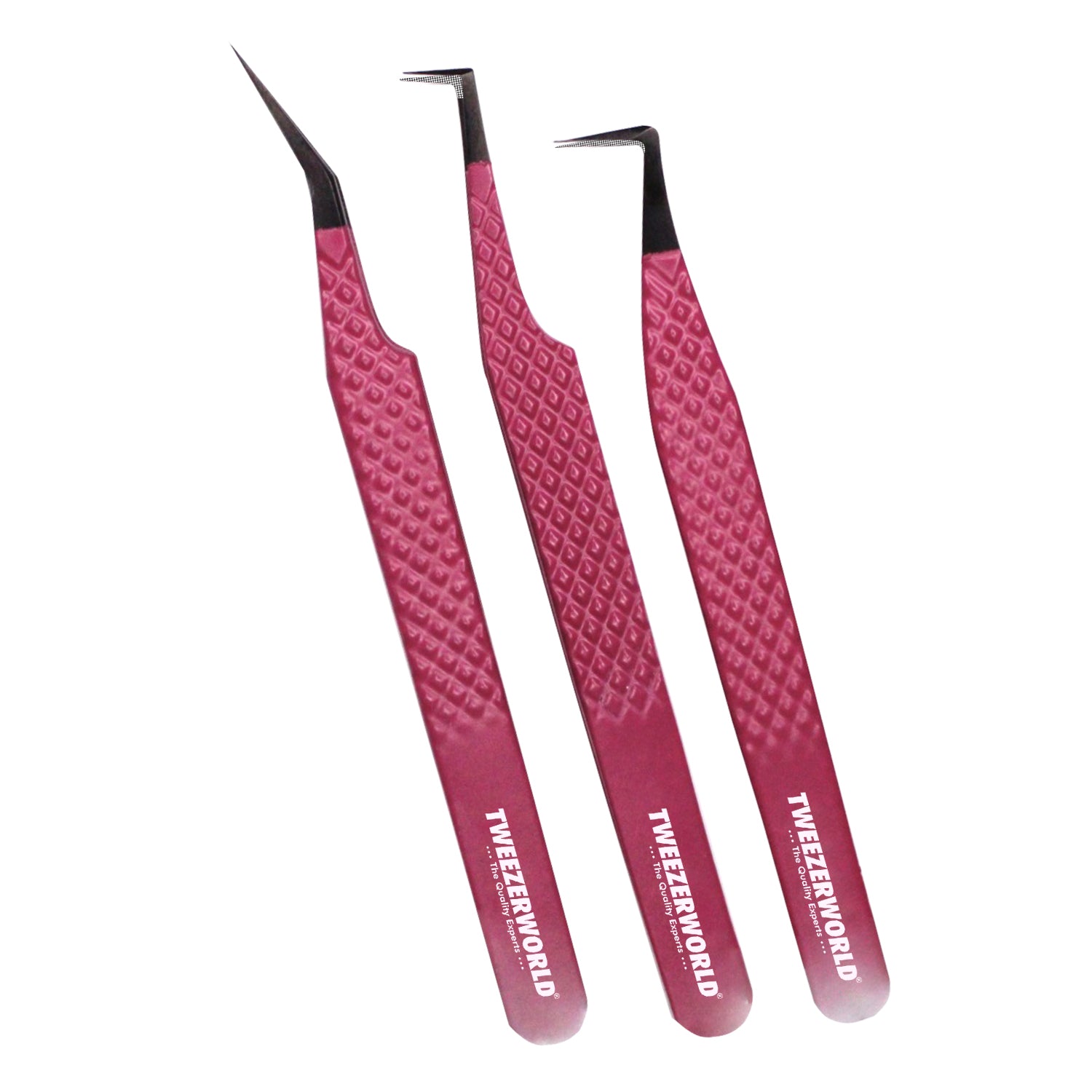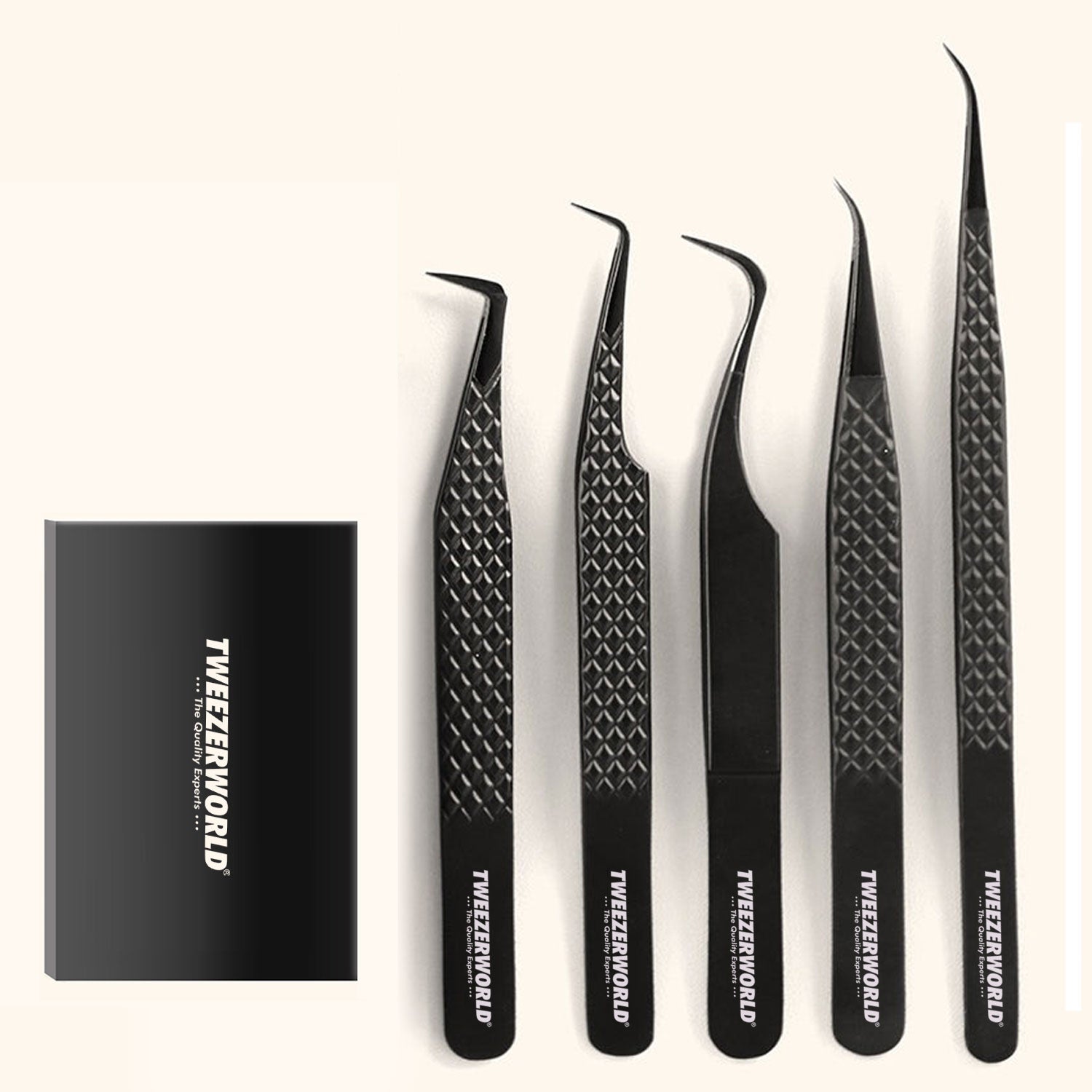

Data-Centre Electronics Tweezers | Selection Guide
Data-Centre Electronics Tweezers: A Technician Tool Selection Guide
Modern data centres contain dense server assemblies, storage systems, network switches, optical transceivers, power-management equipment and thousands of small mechanical and electronic parts. A technician may need to position a jumper, retrieve a dropped screw, hold a surface-mount component, access a connector latch or handle a scratch-sensitive part in a confined space.
One tweezer cannot perform all of those jobs well. The correct tool depends on the component, access angle, required grip, electrostatic-discharge controls, electrical state of the equipment and risk of marking or contamination.
This guide explains how data-centre operators, electronics-service companies, distributors, maintenance teams and OEM buyers can select professional tweezers by task, tip shape, material and verified performance.
Safety notice: Standard ESD, stainless-steel, titanium and ceramic-tip tweezers are not automatically voltage-insulated tools. De-energise equipment and follow the equipment manufacturer’s instructions, site electrical-safety procedures and applicable law. In the United States, OSHA 29 CFR 1910.333 addresses work practices for exposed electrical parts. This article is a tool-selection and procurement guide, not an electrical-safety procedure.
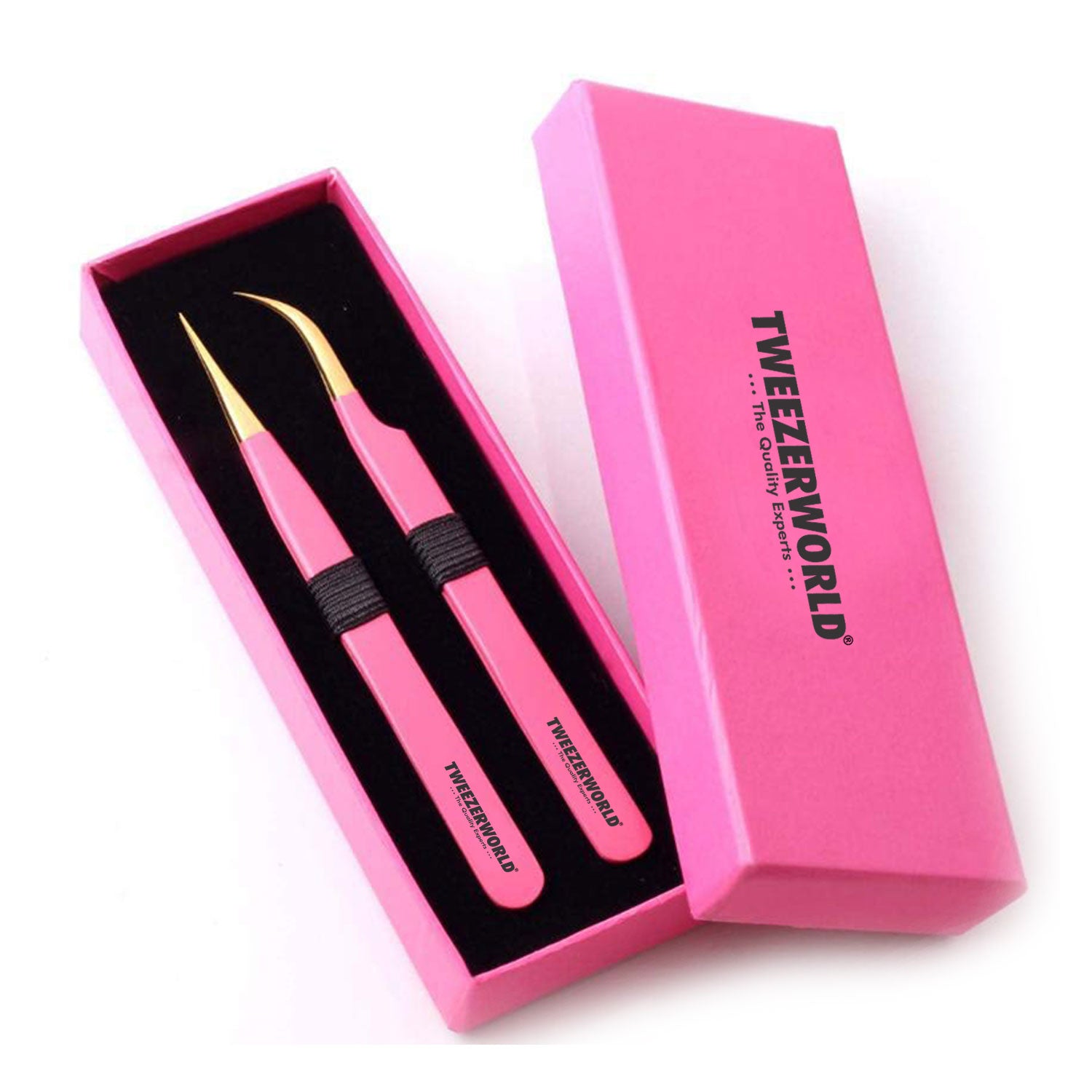
Explore TWEEZER WORLD®’s ESD and Anti-Static Tweezers and ESD Stainless-Steel Tweezers.
Why Data-Centre Technicians Need More Than One Tweezer
Data-centre maintenance combines several different work environments. A tool suitable for a protected electronics bench may be unsuitable for a live power cabinet, an optical connector or a finished external surface.
| Work area | Typical need | Main tool-selection priority |
|---|---|---|
| ESD-controlled electronics bench | PCB inspection, rework and small-component positioning | Documented electrical characteristics, fine alignment and controlled tension |
| Server or switch chassis | Retrieving screws, clips, jumpers and small hardware | Access, tip strength and predictable grip |
| Dense connector area | Reaching around shields, cables and adjacent components | Curved or angled sight line with smooth edges |
| Optical and scratch-sensitive area | Handling selected covers, plugs or non-optical mechanical parts | Clean, smooth or non-marring contact surface |
| Soldering or controlled hot-zone work | Holding a component near a heat source | Material-specific temperature capability and thermal behaviour |
| Power distribution or energised electrical work | Work near hazardous voltage | Use only tools, PPE and procedures specifically approved for the electrical hazard—not ordinary electronics tweezers |
The first procurement question should therefore be: Which exact task will this model perform? The answer controls the tip geometry, material, electrical requirements, finish, packaging and inspection method.
ESD Control Is a System, Not a Tweezer Label
Electrostatic discharge can damage or degrade sensitive electronic parts. However, writing “ESD safe” on a handle does not demonstrate that a tweezer is suitable for a particular facility or component.
IEC 61340-5-1:2024 establishes requirements for an ESD-control programme. In the United States, ANSI/ESD S20.20-2021 is widely used as a framework for controlling ESD risks. These programme-level approaches extend beyond hand tools and can include personnel grounding, work surfaces, packaging, training, qualification and verification.
The practical lesson for tool buyers is simple: the tweezer must fit into the buyer’s complete ESD-control system. A conductive metal tweezer, an insulating ceramic tip and a static-dissipative composite tip behave differently. None should be accepted solely because its product name includes “anti-static.”
Questions to Ask About an ESD Tweezer
- Which part of the tool was tested: tip, handle, coating or complete assembly?
- What electrical characteristic was measured?
- Which test method, equipment and electrode arrangement were used?
- What temperature and relative-humidity conditions applied?
- What limits were specified?
- Does the test report apply to the exact model, material and finish being purchased?
- Was the evidence generated for a qualification sample, a production batch or a general material sheet?
- How often is compliance verified after qualification?
The recently published IEC TS 61340-5-4:2026 addresses compliance-verification testing for technical items included in an ESD-control programme. IEC TS 61340-5-6:2025 also considers process risks including charged personnel, ungrounded conductors, charged ESD-sensitive items and electric fields. Buyers should work with their ESD coordinator or qualified specialist to identify which requirements and methods apply.
Best Tweezer Shapes for Data-Centre Electronics Work
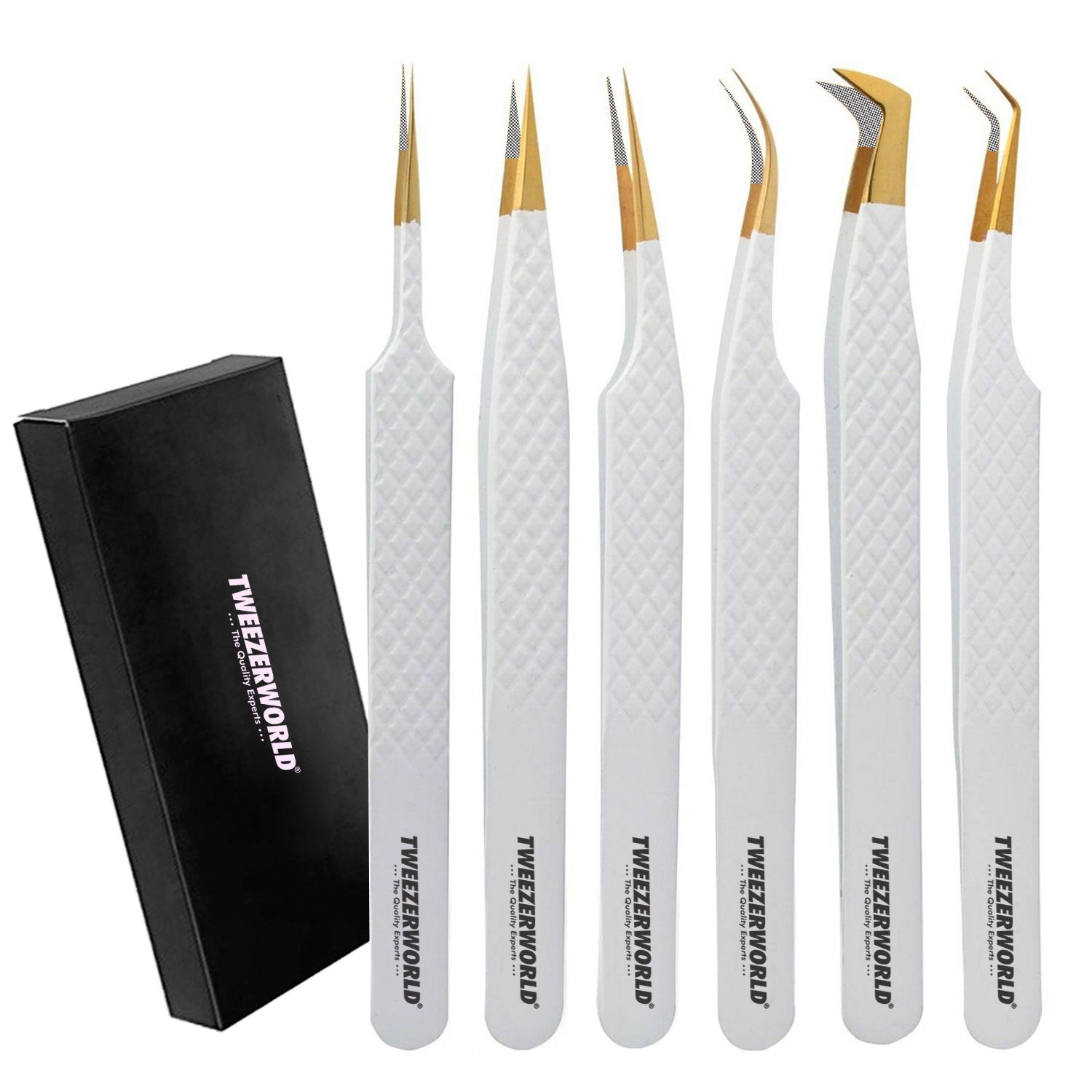
Fine Straight Tips
Fine straight tweezers provide a direct sight line and are a practical choice for small screws, jumpers, washers, wires and general PCB component handling. The point should be fine enough for access but strong enough for the intended load.
Ultra-fine points should be reserved for delicate work. Using them to pry, lever or retrieve heavy hardware can bend the tips and change the alignment.
Fine Curved Tips
Curved tips can improve visibility around shielding, connector banks, heatsinks and densely populated boards. They let the technician approach from an angle while keeping the hand farther from the immediate viewing area.
The curve must be symmetrical and the two tips must still meet at the intended contact point. A curved profile does not compensate for poor tip alignment.
Angled or Bent Tips
An angled working end can be useful for reaching beneath a component edge or around an obstruction. The angle should be selected for the actual chassis and bench task. Excessively sharp bends can reduce access in some layouts or concentrate force at one point.
Rounded or Blunt Tips
Rounded and broader tips are useful when a sharp point could puncture insulation, mark a finish or damage a soft part. They can also provide more stable contact on larger clips, covers and cable-management pieces.
A rounded tip is not automatically non-marring. Dirt, metal particles and excessive force can still scratch a surface.
Reverse-Action Tweezers
Reverse-action tweezers close when hand pressure is released. They can hold a part during inspection, selected soldering tasks or positioning without continuous squeezing. The built-in holding force must be appropriate for the component; excessive force can deform delicate parts or launch them during release.
Replaceable-Tip Tweezers
Replaceable-tip models let a maintenance programme renew worn contact surfaces or use different tip materials with one handle. Procurement teams should confirm:
- Tip material and electrical behaviour
- Fastener security
- Alignment after replacement
- Availability of spare tips
- Stable replacement-part numbers
- Cleaning compatibility
- Permitted tightening method or torque, where specified
Tool Selection by Technician Task
| Technician task | Useful tweezer configuration | What to inspect before approval |
|---|---|---|
| Positioning small SMD components at an ESD-controlled rework bench | Fine straight conductive or otherwise programme-compatible model | Tip alignment, electrical evidence, closing force, burr-free faces and component-size suitability |
| Accessing components near shields or dense connectors | Fine curved or angled model | Curve symmetry, sight line, point strength and contact location |
| Retrieving screws, washers, clips or jumpers from a de-energised chassis | Medium-fine straight or slightly curved stainless-steel model | Rigidity, grip, magnetism requirement, reach and resistance to permanent bending |
| Holding a component during a controlled soldering process | Ceramic-tip or suitable heat-resistant model | Declared temperature limits, exposure time, brittleness, tip security and process compatibility |
| Holding a component without continuous hand pressure | Reverse-action tweezer | Holding force, jaw contact, release control and stability |
| Handling a finished, coated or scratch-sensitive mechanical surface | Rounded or replaceable non-marring tip | Cleanliness, embedded particles, edge finish, contact force and material compatibility |
| Working near optical connectors or transceivers | Clean, smooth, task-specific rounded or fine tool for approved mechanical parts only | Contamination risk, access and the equipment manufacturer’s service instructions; never use the tweezer as an optical-end-face cleaning tool |
| Moving labels, protective films or lightweight insulating pieces | Broad smooth or programme-qualified dissipative tip | Charge-generation risk, residue, surface compatibility and the ESD-control plan |
This table is a starting point. The technician should test samples with representative components and the actual work instruction before approving a model for a kit or bulk order.
Stainless Steel vs Titanium vs Ceramic and Non-Marring Tips
| Material | Useful characteristics | Procurement cautions |
|---|---|---|
| Stainless steel | Durable, conductive, available in many tip profiles and generally suitable for repeated precision handling | “Stainless steel” does not identify the exact alloy, hardness, magnetic response or ESD test status. |
| Low-magnetic-response or anti-magnetic alloy | Useful where interaction with magnetic parts or sensors must be limited | Request the exact material and test method. Do not infer non-magnetic performance from appearance or a generic stainless-steel description. |
| Titanium alloy | Low weight, corrosion resistance and generally low magnetic response | Titanium remains electrically conductive and is not automatically ESD compliant. Tip stiffness, wear and exact alloy condition must be evaluated. |
| Ceramic tip | Electrical insulation at the contact tip, low magnetic interaction and useful heat resistance for selected processes | Ceramic can be brittle and may chip under impact or side-loading. Electrical insulation is not the same as ESD suitability, and temperature capability varies by material and assembly. |
| Polymer or soft non-marring tip | Reduces direct metal contact and may lower marking risk on selected surfaces | Wear, embedded debris, solvent compatibility, temperature limits and electrical properties vary. “Scratch-proof” should not be claimed. |
| Carbon-fibre or conductive-composite tip | Can combine reduced marking risk with controlled electrical properties when correctly formulated and tested | Composition and resistance can vary significantly. Require model-specific data instead of relying on the words “carbon” or “ESD.” |
Review TWEEZER WORLD®’s Ceramic-Tip Tweezers when comparing replaceable and specialty working ends.
Important Difference: ESD Control vs Electrical Insulation
These two concepts are frequently confused.
- ESD control is intended to manage electrostatic charge and reduce the risk of damaging ESD-sensitive electronics.
- Electrical insulation is intended to protect against electric shock or current flow under defined voltage and use conditions.
A coated handle does not automatically make a tweezer an insulated electrical tool. A ceramic working tip does not establish that the complete assembly is rated for live electrical work. Unless a tool has the appropriate design, test evidence, marking and instructions for the electrical hazard, it should not be promoted or used as voltage-insulated.
Claims That Require Evidence
| Broad claim | Why it may mislead | Better procurement wording |
|---|---|---|
| ESD safe | No electrical characteristic, method or limit is stated. | Supplier shall report the specified electrical property using the agreed test method and environmental conditions. |
| Anti-static stainless steel | The alloy name alone does not prove a complete tool’s ESD behaviour. | Declare the exact alloy and provide model-specific electrical qualification or batch evidence where required. |
| Non-magnetic | Magnetic response depends on alloy, processing and test threshold. | Define the magnetic-response requirement and inspection method. |
| Heat proof | No temperature, duration or failure criterion is identified. | State the tested temperature, exposure time and post-test acceptance criteria. |
| Scratch proof | Particles, contamination and force can still mark a surface. | Non-marring tip intended to reduce marking risk when clean and correctly used. |
| Perfectly aligned | No tolerance, closing force or measurement point is defined. | Tips inspected for alignment at the specified contact area under the documented method. |
| Cleanroom compatible | Material, particle, cleaning and packaging requirements are unspecified. | Define the exact cleanliness, material, packaging and processing requirements for the intended environment. |
| Data-centre grade | It is not a complete technical specification. | Identify the technician task, component, ESD programme, material, tip geometry and acceptance tests. |
What to Inspect Before Approving Electronics Tweezers
Tip Alignment
The tips should meet at the intended working point under the specified closing force without unacceptable lateral offset, vertical step or crossover. A visual photograph alone does not replace a defined acceptance method.
Tip Geometry
Measure the tip width, thickness, length, taper and angle at the points identified on the approved drawing. “Fine tip” and “ultra-fine tip” should not be the only dimensional descriptions.
Closing Force and Return Action
Excessive spring tension can reduce fine control and increase fatigue. Very light tension can feel unstable if the arms twist or fail to return consistently. Measure force at a defined opening and handle location.
Surface and Edge Condition
Inspect for burrs, pits, sharp unintended edges, coating residue, embedded polishing compound, cracks and contamination. Special attention should be given to inner faces and replaceable-tip joints.
Functional Grip
Use a representative component or test piece with stated dimensions, material, orientation and holding time. A test using one large metal part cannot support a universal claim about micro-components, films and soft surfaces.
Electrical Characteristics
Where ESD performance is specified, record the model, test method, equipment, environmental conditions, limits and results. Confirm whether the inspection applies to every batch or only to initial qualification.
Magnetic Response
If low magnetic response is necessary, define the requirement and test. Avoid broad “non-magnetic” wording without an agreed threshold and method.
Replaceable-Tip Security
Check fastening, seating, alignment and movement. The tool should be reinspected after changing the tips.
Suggested Data-Centre Technician Tweezer Sets
| Set | Suggested tools | Suitable users |
|---|---|---|
| Essential Electronics Service Set | Fine straight, fine curved, stronger straight, rounded-tip and ceramic-tip tweezers | General server, switch and PCB maintenance teams |
| Advanced ESD Bench Set | Multiple programme-compatible straight and curved models, reverse-action holder, ceramic tip and qualified dissipative or composite tip | Controlled repair and rework benches |
| Scratch-Sensitive and Optical Support Set | Rounded stainless, soft replaceable tip, fine curved and clean storage case | Teams handling selected finished surfaces and transceiver-area mechanical parts |
| Distributor or OEM Data-Centre Set | Task-labelled straight, curved, reverse-action, ceramic and non-marring models with traceable spare tips | Industrial distributors, service networks and private-label tool brands |
Do not combine tools intended for hazardous energised work with ordinary electronics tweezers in a way that could confuse technicians. Tool names, markings, storage positions and instructions should clearly identify their permitted use.
Packaging and Storage for Technician Kits
Fine tips can be damaged before they reach the workbench. A professional kit should include:
- Individual tip protectors that do not force the points out of alignment
- A fitted tray, foam insert or rigid case
- Separate positions for metal, ceramic and non-marring tools
- Clear model references
- Replacement-tip identification
- Cleaning and inspection instructions
- ESD-protective packaging where the buyer’s programme requires it
- Batch or lot traceability
IEC 61340-5-3:2022 defines ESD-protective packaging properties for ESD-sensitive devices. Applicability to a tool kit should be determined by the buyer’s ESD programme; ordinary retail packaging should not be described as ESD protective without supporting evidence.
Cleaning and Maintenance
Contamination can reduce grip, alter electrical performance and damage sensitive surfaces. Establish a material-compatible cleaning method for each tool family.
- Remove residue using an approved cleaner and lint-controlled method.
- Dry tools fully before storage.
- Do not scrape fine tips with files, blades or uncontrolled abrasives.
- Inspect ceramic tips for chips and cracks after impact.
- Inspect polymer or composite tips for wear and embedded particles.
- Recheck tip alignment after a drop or unexplained change in grip.
- Replace damaged tip protectors and case inserts.
- Repeat electrical verification at the frequency defined by the ESD-control programme.
Cleaning chemicals can affect coatings, polymers, adhesives and replaceable-tip assemblies differently. Approve the method for the exact model instead of applying one solvent or sterilisation process to every tool.
Distributor and OEM Procurement Checklist
| Procurement field | Buyer’s requirement |
|---|---|
| Product name and model | Unique reference for each shape, material and tip configuration |
| Intended task | Exact component, operation and service environment |
| Electrical state | De-energised electronics work; identify any separate approved tools required for electrical hazards |
| ESD-control requirement | Applicable programme, property, method, limits and verification frequency |
| Material | Exact stainless-steel, titanium, ceramic, polymer or composite specification |
| Tip shape | Straight, curved, angled, rounded, reverse-action or replaceable |
| Dimensions | Overall length, tip width, thickness, taper, angle and tolerances |
| Tip alignment | Defined contact point, closing force, method and maximum permitted offset or gap |
| Closing force | Permitted range at a stated opening and handle location |
| Functional test | Representative component or test medium with defined pass/fail result |
| Surface finish | Matte, satin or other finish; burr, scratch, residue and cleanliness limits |
| Magnetic response | Requirement and test method where relevant |
| Heat exposure | Temperature, duration and post-test acceptance criteria where relevant |
| Marking | Brand, model, batch and caution wording without damaging the tool |
| Packaging | Tip protection, case layout, spare-tip identification and ESD properties if required |
| Documentation | Drawing, specification, inspection report, material declaration and applicable test evidence |
| Change control | No unapproved change to material, tip geometry, coating, supplier, process or test method |
OEM and Private-Label Data-Centre Tool Programmes
Electronics distributors and service-tool brands can build a more useful private-label set by assigning one role to each tweezer. Options may include:
- Fine straight and curved ESD-workbench models
- Stronger component and hardware-handling tweezers
- Ceramic-tip and replaceable non-marring options
- Reverse-action holding tweezers
- Model and task laser marking
- Colour-coded handles where the coating is suitable and does not create an unsupported insulation claim
- Custom fitted cases and spare-tip compartments
- Care, inspection and permitted-use cards
- Barcode, batch and distributor labelling
- Approved samples and controlled drawings before bulk production
Learn more about OEM and Private-Label Tweezer Manufacturing and TWEEZER WORLD®’s manufacturing capabilities.
Frequently Asked Questions
Which tweezer is best for general data-centre electronics work?
A fine straight tweezer with suitable tip strength, controlled tension and documented compatibility with the facility’s ESD programme is a practical starting point. Add curved, ceramic-tip and non-marring models for specialised tasks.
Are stainless-steel tweezers automatically ESD safe?
No. Stainless steel is electrically conductive, but material identity alone does not establish that the complete tool is qualified for a particular ESD-control programme. Ask for the exact alloy, test method, limits and model-specific evidence.
Are anti-static tweezers safe for live electrical work?
No. ESD control and protection from hazardous voltage are different. Ordinary anti-static tweezers must not be treated as voltage-insulated tools.
When should a technician use ceramic-tip tweezers?
Ceramic tips can be useful for selected heat-sensitive, magnetic-sensitive or electrically insulating contact applications. Confirm the exact temperature capability, brittleness, electrical behaviour and process requirements before use.
What is the advantage of curved electronics tweezers?
Curved tips can improve access and visibility around shields, connectors and densely populated areas. The best curve depends on the equipment layout and technician’s working angle.
Can non-marring tips guarantee that a surface will not be scratched?
No. A softer contact material may reduce marking risk, but trapped particles, wear, contamination and excessive pressure can still damage a surface.
Should every tweezer be inspected?
Tip alignment, surface condition and other critical characteristics may justify 100% inspection. Other features may use a documented sampling plan. The supplier should state which checks apply to every unit and which apply to the batch.
What should a distributor request before a bulk order?
Request model-specific samples, drawings, material declarations, alignment and force criteria, electrical evidence where required, functional-test details, packaging specifications and change-control terms.
Can TWEEZER WORLD® create private-label electronics tweezer sets?
TWEEZER WORLD® can discuss custom model combinations, materials, finishes, laser marking, cases, packaging and inspection requirements. Final claims and documentation must be confirmed for the exact model, intended task and destination market.
Conclusion
Data-centre electronics tweezers should be selected by task, not by a broad product label. Fine straight tips support general component handling, curved tips improve access, reverse-action models provide holding force, ceramic tips serve selected heat or insulation needs, and non-marring tips can reduce direct metal contact on sensitive surfaces.
The material name does not prove ESD performance, magnetic behaviour, heat resistance or electrical safety. Buyers should define the intended task, ESD-control requirement, tip geometry, closing force, functional test, packaging and supporting evidence before approving a model.
TWEEZER WORLD® supplies professional precision tweezers and custom tool sets for electronics distributors, maintenance suppliers, OEM brands and specialist service organisations.
Request a Data-Centre Electronics Tweezer Set
Choose an AI Optical Handling Category
Specify your task as Optical Component Handling; VCSEL/PIC Evaluation Tools; Transceiver Assembly & Inspection Tools; Fine Electronics/Connector Handling; or ESD-Controlled Models supported by model-specific testing. Submit the component drawing, permitted contact zones, required closing force and acceptance criteria for sample evaluation.
Compare the five handling categories and required evidence. ESD suitability requires documented results for the exact configuration. Ceramic or coated tips alone do not qualify a model.
Papular Products Gallery