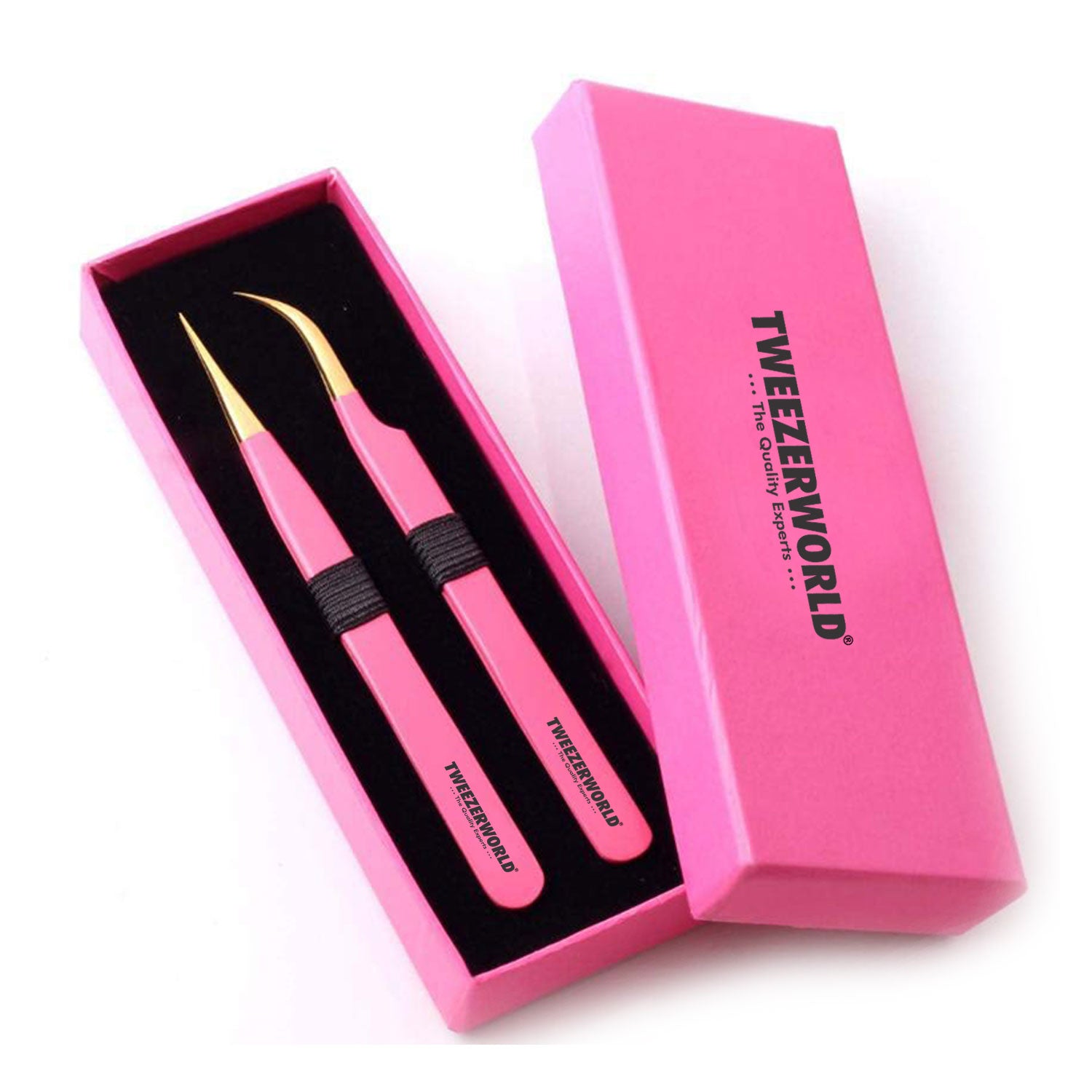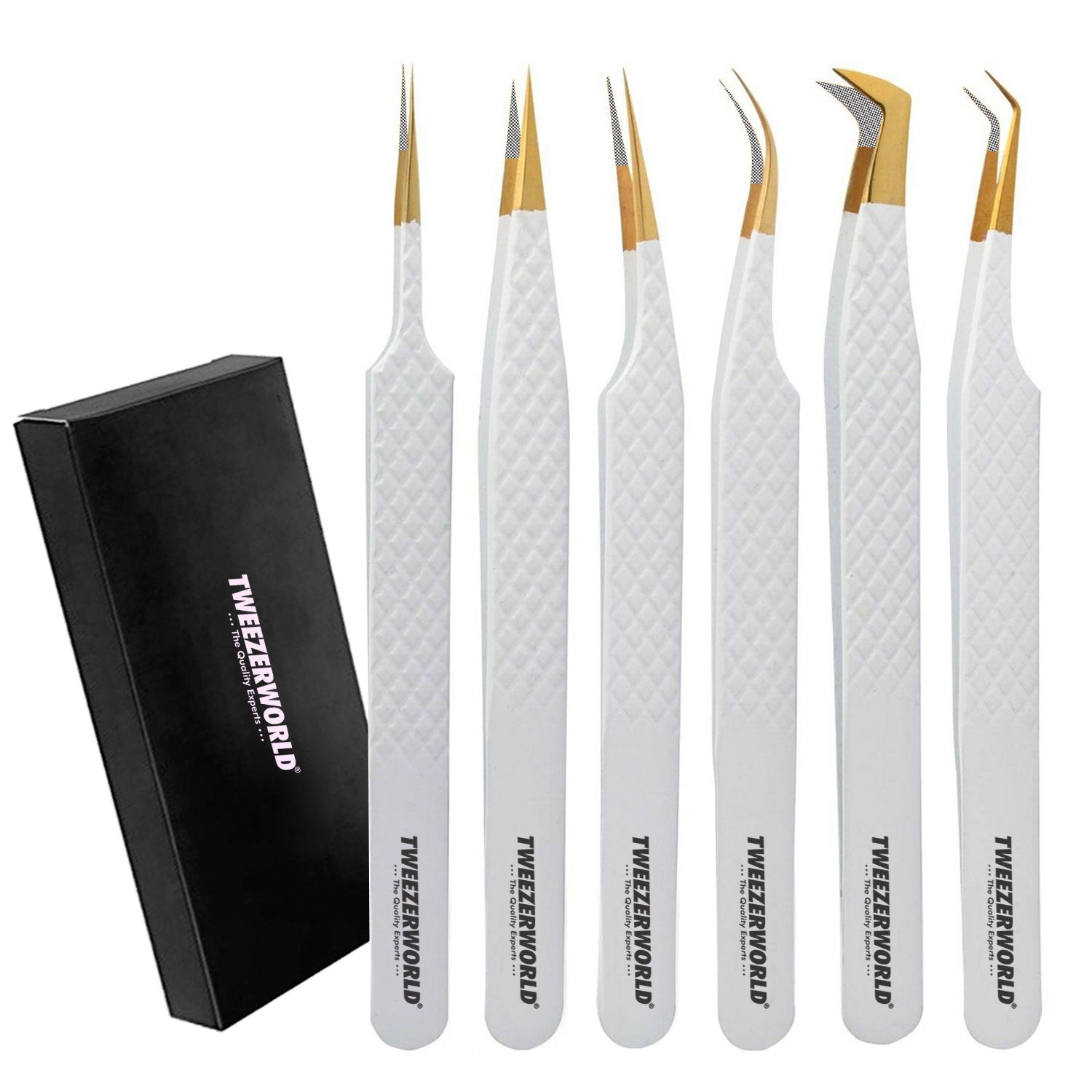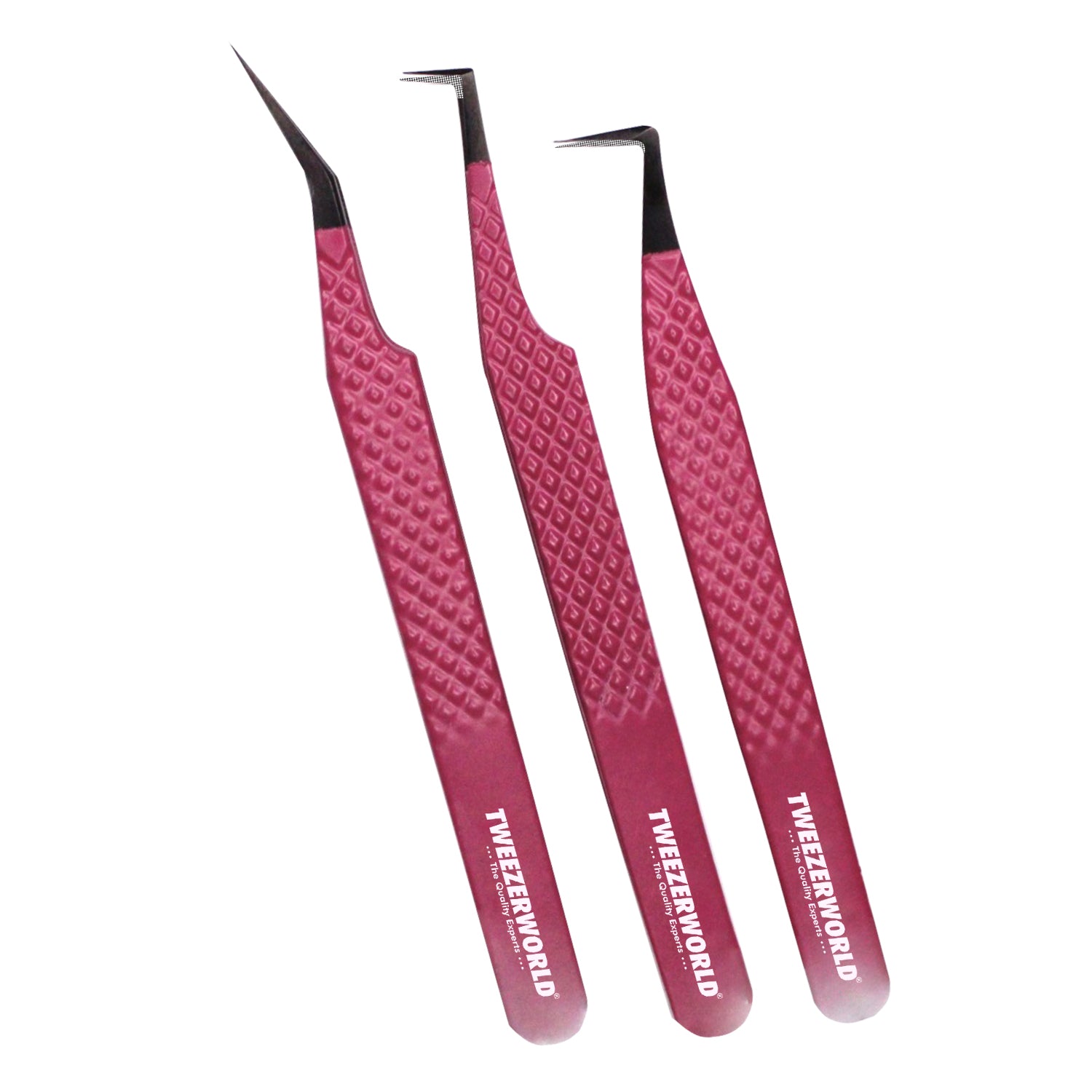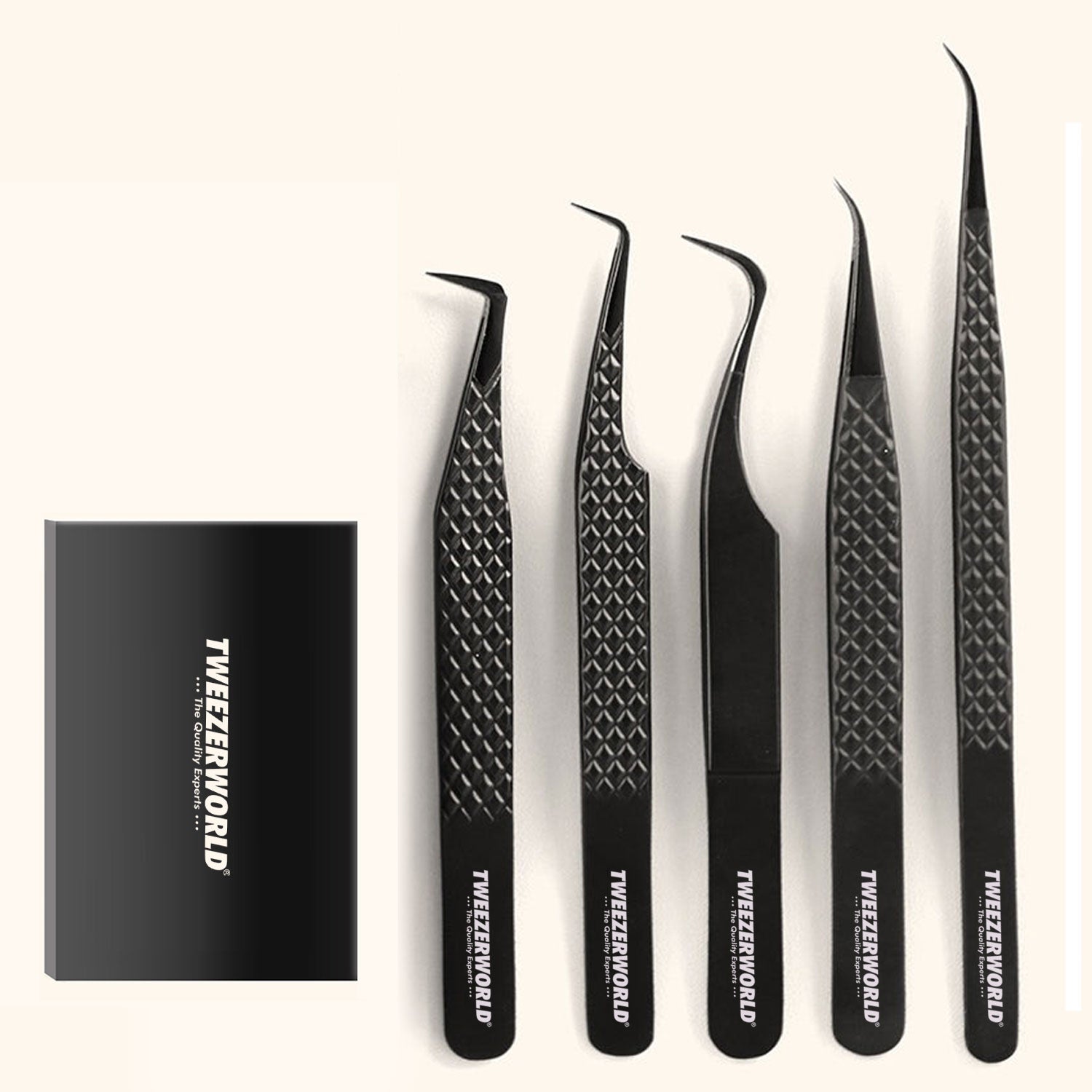

Fiber Tip Lash Tweezer Sample Approval Checklist
Fiber Tip Lash Tweezer Sample Approval Checklist for Private-Label Brands
Approving a fiber tip lash tweezer sample should involve more than checking its appearance or successfully creating one fan.
The approved sample establishes the expected product standard for future production. If the evaluation is informal, the buyer and manufacturer may interpret words such as “soft tension,” “wide sweet spot,” “strong grip” or “perfect alignment” differently.
A professional sample-approval process converts those preferences into documented requirements covering:
- Tweezer pattern and dimensions
- Inner-tip texture
- Closing geometry
- Functional contact area
- Spring tension
- Pickup and release behavior
- Surface finish
- Logo placement
- Packaging
- Batch-inspection criteria
This guide explains how lash brands, academies, distributors and OEM buyers should evaluate samples, record results, approve a golden sample and control consistency during bulk production.
Sample performance depends on the selected lash fibers, technique, contact position and user preference. This guide supports commercial procurement and quality control; it does not guarantee a specific fan capacity.
What Is a Fiber Tip Lash Tweezer Approval Sample?
An approval sample is a production-representative tweezer submitted by the manufacturer for the buyer’s inspection and testing before bulk manufacturing.
It should represent the proposed:
- Stainless-steel grade
- Tweezer shape
- Tip dimensions
- Fiber tip texture
- Closing geometry
- Spring tension
- Surface finish or coating
- Logo application
- Packaging configuration
A polished prototype may be useful during product development, but it should not automatically become the approved production standard if it was manufactured using different materials or processes.
Ask whether the submitted sample was made using:
- Production tooling
- The proposed steel grade
- The final texture process
- The final coating system
- The intended logo-marking method
- Normal production finishing
- Standard production inspection
Any differences should be documented before approval.
Why Informal Sample Approval Creates Problems
A buyer may test one sample and respond, “The grip is good. Please produce 1,000 pieces.”
That instruction does not tell the manufacturer:
- Which part of the tip performed well
- Which lash diameter was tested
- Which fan-making technique was used
- What closing force was acceptable
- How much variation is permitted
- Whether every bulk unit requires functional testing
- Which cosmetic differences are acceptable
- What should happen if production differs from the sample
Without a controlled specification, the original sample becomes the only reference. If it is lost, damaged or interpreted differently, resolving a quality dispute becomes difficult.
The better approach is to use three connected controls:
- A written product specification
- An approved technical drawing
- A signed golden sample
Prepare the Sample-Evaluation Plan First
Before testing begins, record the conditions under which each sample will be evaluated.
The evaluation record should identify:
- Supplier name
- Buyer or brand name
- Sample reference
- Proposed SKU
- Tweezer pattern
- Sample quantity
- Date received
- Evaluator
- Dominant hand
- Experience level
- Lash-fiber brand and type
- Lash diameter
- Lengths tested
- Fan-making technique
- Environmental conditions, where relevant
- Cleaning performed before testing
- Number of test attempts
Using consistent conditions makes comparisons more meaningful.
If several lash artists participate, each person should complete an individual scorecard before discussing the samples with the group. This reduces the risk that one opinion influences everyone else.
Use Coded Samples When Possible
For comparative testing, identify samples with neutral codes such as:
- Sample A
- Sample B
- Sample C
- Sample D
Avoid revealing which sample has the newest texture, highest price or preferred supplier until testing is complete.
Blind or coded testing does not eliminate personal preference, but it can reduce expectation bias.
Test more than one sample from each proposed model. One exceptionally good piece does not demonstrate production consistency.
1. Confirm the Product Identity
Begin by verifying that the supplied sample matches the requested model.
Record:
- Product name
- Internal SKU
- Manufacturer’s reference
- Tweezer shape
- Intended technique
- Material declaration
- Finish or coating
- Inner-tip texture
- Logo version
- Packaging version
Do not approve samples with handwritten or temporary identifiers unless the final product-identification system is documented separately.
Each approved sample should be traceable to the relevant quotation, drawing and specification revision.
2. Measure the Overall Dimensions
A sample can feel different because of small dimensional changes even when the general shape looks correct.
Measure or confirm:
| Characteristic | Requirement to record |
|---|---|
| Overall length | Nominal length and tolerance |
| Handle width | Measurement point and permitted range |
| Arm thickness | Defined location and tolerance |
| Resting opening | Distance between arms or tips |
| Tip length | Beginning and ending measurement points |
| Tip width | Defined measurement location |
| Tip thickness | Defined measurement location |
| Working angle | Nominal angle and tolerance |
| Boot width | For boot or L-shaped patterns |
| Product weight | Target and permitted range, if important |
Dimensions should be compared with the technical drawing—not estimated from catalogue photographs.
If the buyer does not have suitable measuring equipment, the manufacturer can provide a dimensional report. Important measurements should still be verified independently where practical.
3. Inspect the Tweezer Shape
Place the sample beside the drawing and any existing approved reference.
Check:
- Overall symmetry
- Straightness of both arms
- Correct tip angle
- Consistent bend location
- Smooth transition from handle to tip
- Intended boot or foot shape
- Left-to-right balance
- Resting opening
- Comfortable finger position
The tweezer should not rock or twist unexpectedly during closure.
A shape that looks attractive in a product photograph may still feel awkward when used repeatedly. Test the tool from the actual hand position expected during lash work.
4. Inspect the Inner-Tip Texture
The fiber tip texture should be evaluated under adequate lighting and magnification.
TWEEZER WORLD® offers texture options including:
- Hex pattern
- Straight-line pattern
- Cross pattern
The buyer should confirm the exact selected texture on the specification and sample record.
Inspect for:
- Correct texture type
- Texture present on both inner faces
- Uniform pattern coverage
- Correct textured-area length
- Pattern positioned inside the working zone
- No missing or damaged sections
- No excessive roughness
- No loose particles
- No sharp projections
- No polishing or coating residue
- No texture extending unintentionally onto exterior surfaces
The texture does not need to look identical at every microscopic point. However, the permitted degree of variation should be established with approved samples and inspection criteria.
Do Not Approve Texture by Appearance Alone
An aggressive-looking texture is not automatically more effective.
Functional behavior also depends on:
- Tip-face contact
- Closing force
- Contact-zone position
- Fiber diameter
- Pickup method
- Release technique
The texture must be evaluated as part of the complete closing system.
5. Evaluate Tip Alignment
Inspect the tweezer from the top, side and end while closing it slowly.
Check whether the tips:
- Meet centrally
- Remain at the same vertical level
- Avoid crossing
- Avoid twisting
- Avoid sliding sideways
- Follow the intended closing sequence
- Return to the original position after release
A tweezer can look aligned from above while having vertical displacement when viewed from the side.
Use consistent lighting and magnification. If alignment is described numerically, define the measurement method and maximum permitted offset.
Avoid unsupported claims such as “100% precise” or “zero-gap perfection.” Every manufactured tool and inspection system has practical limits.
6. Map the Functional Contact Zone
The functional contact zone—often called the “sweet spot”—is the part of the tip that provides useful contact during the intended technique.
To map it:
- Close the tweezer gradually.
- Observe where contact begins.
- Identify how the contact area develops.
- Test pickup at several positions.
- Mark the useful region on a drawing or photograph.
- Record the approximate distance from the end of the tip.
The contact geometry may be:
- Full-face contact
- Progressive contact
- Tip-first contact
- Localized contact within a defined zone
No single configuration is automatically correct for every model.
The approval record should state the acceptable contact behavior rather than relying only on “wide sweet spot.”
7. Check the Closing Geometry Under Working Pressure
A tweezer may align when lightly closed but shift when the user applies more force.
Evaluate it under:
- Light closure
- Normal working closure
- Firm closure within the intended operating range
Look for:
- Lateral movement
- Tip-face rocking
- One-sided contact
- Excessive arm flex
- Sudden change in alignment
- Texture faces moving past each other
- Permanent deformation after release
The tool should return to its expected resting position after repeated normal compression.
8. Evaluate Spring Tension
Spring tension affects comfort, control and hand fatigue.
Subjective descriptions may include:
- Ultra-soft
- Soft
- Medium
- Firm
These categories should be linked to an approved sample or a measured closing-force range.
Subjective Evaluation
Ask each evaluator to score:
- Initial closing effort
- Control during pickup
- Comfort during repeated use
- Stability of the tips
- Hand fatigue
- Return action
- Suitability for the intended technique
Measured Evaluation
Where tension is commercially important, define:
- Force-measurement equipment
- Handle measurement point
- Starting opening
- Closing position
- Number of cycles before measurement
- Minimum and maximum force
- Test-unit conditioning
Tension values should be specific to the tweezer model. A suitable range for a straight isolation tweezer may not suit a 90-degree or wide-boot pattern.
9. Conduct a Controlled Pickup Test
A useful pickup test must have defined conditions.
Record:
- Lash-fiber manufacturer
- Fiber material
- Diameter
- Length
- Strip type
- Number of fibers attempted
- Fanning technique
- Pickup position
- Contact zone used
- Number of trials
- Successful pickups
- Release behavior
- Evaluator
Possible techniques may include:
- Pinching
- On-strip fanning
- Rolling
- Bouquet pickup
- Selected volume techniques
Only include techniques relevant to the proposed product.
Evaluate More Than Pickup
The test should consider:
- Ability to separate fibers
- Control during lifting
- Stability while moving the fan
- Base control
- Fiber retention
- Predictability of release
- Need for excessive pressure
- Fibers catching in the texture
- Residue accumulation
- Performance after cleaning
A tool that grips strongly but releases unpredictably may not be suitable.
10. Avoid Universal Fan-Capacity Claims
Do not approve a product description simply because one artist created a particular fan size during one test.
Fan capacity may change with:
- Fiber diameter
- Fiber finish
- Lash-strip construction
- Technique
- Pickup position
- Artist experience
- Closing pressure
- Tweezer maintenance
- Adhesive contamination
- Individual sample variation
Instead of stating:
Guaranteed for perfect 20D fans.
Use controlled language such as:
Textured inner tips designed to support controlled pickup for selected volume and mega-volume techniques. Suitability depends on the model, lash diameter, technique and user preference.
If the brand wants to mention a tested range, document the test conditions and describe it as a sample-test result—not a universal guarantee.
11. Check Pickup Consistency Across Multiple Samples
Testing only one sample is risky.
For each proposed SKU, evaluate several pieces and compare:
- Texture coverage
- Alignment
- Contact-zone length
- Spring tension
- Pickup behavior
- Release behavior
- Finish quality
Record both average performance and sample-to-sample variation.
A supplier should not approve bulk production based only on one carefully adjusted showcase sample. The sample group should provide reasonable evidence that the production process can reproduce the intended result.
12. Inspect Hand Finishing
Hand finishing can affect the final alignment, texture edges, tip shape and tension.
Examine the sample for:
- Smooth external edges
- Comfortable handle edges
- Burr-free tips
- Consistent left and right arms
- Clean texture transitions
- No over-polished contact areas
- No unintended sharp corners
- No deep grinding marks
- No visible repair damage
Any hand-finished feature that determines function should be controlled through workmanship criteria, measurements or a reference sample.
13. Inspect the Surface Finish or Coating
The sample should match the approved finish:
- Mirror polish
- Satin
- Matte
- Sandblasted
- Stone washed
- Titanium or plasma finish
- Powder-coated color
- Other approved custom finish
Check:
- Color consistency
- Surface uniformity
- Scratch resistance under agreed conditions
- Complete intended coverage
- Clean boundary between coated and uncoated areas
- No peeling, bubbling or pinholes
- No coating inside the contact area unless specifically approved
- No finish buildup affecting closure
If multiple colors are ordered, approve a separate physical reference or controlled color standard for each one.
Digital photographs alone may not reproduce finish color accurately.
14. Verify Logo and Product Marking
Confirm:
- Correct brand name
- Correct logo artwork
- Proper orientation
- Approved dimensions
- Agreed position
- Consistent contrast
- Clean edges
- Correct registered mark, where applicable
- No interference with the gripping area
- No damage to the coating
- No distortion across a curved surface
The buyer should approve final vector artwork and a marked physical sample before bulk production.
A temporary printed logo does not validate the appearance of final laser engraving or another permanent marking method.
15. Evaluate Cleaning and Maintenance
Textured tips can retain adhesive residue or debris if they are not maintained correctly.
During sample testing:
- Record the approved cleaning method.
- Apply only compatible cleaning products.
- Inspect the texture after cleaning.
- Confirm that residue can be removed.
- Check whether cleaning changes the coating or finish.
- Reevaluate pickup and release.
The manufacturer or brand should provide care instructions suited to the exact material, coating and textured surface.
Avoid promising that any textured tweezer is completely adhesive-proof or maintenance-free.
16. Inspect Packaging and Tip Protection
The approval sample should include production-representative packaging when possible.
Check:
- Correct product identification
- Secure tip protector
- No pressure bending the tips
- No movement inside the package
- No metal-to-metal contact
- Correct logo and color
- Barcode placement
- Care instructions
- Country-of-origin marking
- Batch or lot identification
- Retail presentation
- Shipping protection
A well-manufactured tweezer can arrive misaligned if its packaging does not protect the working end.
Fiber Tip Lash Tweezer Sample Scorecard
Use a separate form for every sample.
| Evaluation characteristic | Result | Comments |
|---|---|---|
| Sample code | ||
| Proposed SKU | ||
| Correct pattern | Pass / Fail | |
| Overall dimensions | Pass / Fail | |
| Tip dimensions | Pass / Fail | |
| Correct texture pattern | Pass / Fail | |
| Texture coverage | Pass / Fail | |
| Texture cleanliness | Pass / Fail | |
| Top-view alignment | Pass / Fail | |
| Side-view alignment | Pass / Fail | |
| No crossing or twisting | Pass / Fail | |
| Working-zone position | Pass / Fail | |
| Working-zone length | Pass / Fail | |
| Light-pressure closure | Pass / Fail | |
| Normal-pressure closure | Pass / Fail | |
| Spring tension | Pass / Fail | |
| Return action | Pass / Fail | |
| Pickup control | 1–5 | |
| Fan-base control | 1–5 | |
| Release predictability | 1–5 | |
| Comfort during repeated use | 1–5 | |
| Surface finish | Pass / Fail | |
| Coating boundaries | Pass / Fail | |
| Logo marking | Pass / Fail | |
| Cleaning performance | Pass / Fail | |
| Packaging protection | Pass / Fail | |
| Overall decision | Approve / Revise / Reject |
A score should never hide a critical defect. For example, a tool with attractive finishing and good pickup should not pass if the tips cross or contain dangerous burrs.
Record the Functional Test Conditions
Attach a test-condition record to the scorecard.
| Test field | Recorded condition |
|---|---|
| Evaluator | |
| Experience level | |
| Dominant hand | |
| Lash brand | |
| Fiber material | |
| Lash diameter | |
| Lash length | |
| Technique | |
| Number of fibers attempted | |
| Pickup position | |
| Contact zone used | |
| Number of trials | |
| Successful pickups | |
| Release result | |
| Cleaning method | |
| Retest result |
This information prevents a sample result from being separated from the conditions that produced it.
Approval Decisions: Approve, Revise or Reject
Every tested sample should receive one documented decision.
Approve
Use when the sample meets the complete agreed requirement.
The approved sample can become a golden-sample candidate after its identity and supporting documents are confirmed.
Approve With Defined Corrections
Use only for minor, objectively defined changes that do not require full functional reevaluation.
For example:
- Move the logo 3 mm toward the centre.
- Change the packaging label orientation.
- Correct a spelling error.
Do not use conditional approval for significant changes to:
- Material
- Tip geometry
- Texture
- Closing alignment
- Spring tension
- Coating thickness
- Functional contact zone
These changes require a revised sample.
Revise and Resubmit
Use when the concept is suitable but one or more functional or cosmetic characteristics require correction.
List every required revision and issue a new specification or drawing revision where necessary.
Reject
Use when the sample cannot reasonably meet the project requirements or would require substantial redesign.
Record the reason so the same unsuitable configuration is not submitted again.
How to Approve a Golden Sample
A golden sample is the controlled physical reference for bulk production and final inspection.
It should be:
- Fully representative of the approved product
- Clean and unused after final approval
- Identified with a permanent or secure sample number
- Photographed from multiple angles
- Signed and dated
- Linked to the approved drawing
- Linked to the product specification
- Linked to the finish and logo artwork
- Stored in protective packaging
The golden-sample record should include:
| Golden-sample field | Required information |
|---|---|
| Buyer | Private-label brand or distributor |
| Manufacturer | Production supplier |
| Product name | Approved commercial name |
| SKU | Unique model reference |
| Golden-sample number | Controlled reference |
| Drawing revision | Approved version |
| Specification revision | Approved version |
| Texture | Hex, straight-line, cross or specified pattern |
| Finish | Approved finish or coating |
| Approval date | Date signed |
| Buyer approval | Name and signature |
| Manufacturer approval | Name and signature |
| Photographic record | File reference |
| Storage location | Buyer and supplier sample location |
Ideally, the buyer and manufacturer should retain matched golden samples from the same approved group.
Protect the Golden Sample
A golden sample should not continue to be used for daily pickup testing. Repeated compression, accidental drops, adhesive exposure and cleaning can change its condition.
Keep it:
- Clean
- Dry
- Protected from impact
- Clearly labelled
- Separate from working tools
- In a controlled storage location
If the sample becomes damaged, do not silently replace it. Approve and document a replacement reference.
Convert the Golden Sample Into Bulk Acceptance Criteria
“Production must match the golden sample” is useful, but incomplete.
The bulk-production specification should translate the approved result into measurable controls.
These may include:
- Dimensional tolerances
- Approved texture pattern
- Minimum texture coverage
- Permitted tip offset
- Working-zone requirement
- Closing-force range
- Finish acceptance
- Logo-position tolerance
- Packaging requirement
- Functional-test method
- Inspection frequency
- Defect classification
The physical sample helps evaluate feel and appearance. The written criteria control repeatability.
Define Bulk-Production Inspection
The purchase order or quality agreement should state how production will be inspected.
Recommended Inspection Categories
Critical defects may include:
- Cracked or broken tips
- Dangerous burrs
- Severe contamination
- Incorrect product identity
- Tip damage that makes the tool unsafe or unusable
Major defects may include:
- Incorrect texture
- Unusable alignment
- Tension outside specification
- Wrong shape or dimensions
- Insufficient working-zone contact
- Coating interfering with closure
- Incorrect logo
- Significant packaging failure
Minor defects may include:
- Small cosmetic variations that do not affect function
- Minor acceptable shade differences
- Light marks within the approved cosmetic standard
Risk-based criteria should be established for the exact product and market.
Determine Which Checks Require 100% Inspection
For fiber tip lash tweezers, buyers may request individual checks for important functional characteristics such as:
- Tip alignment
- Closing action
- Texture presence
- Working-zone contact
- Dangerous burrs
- Product identity
- Obvious finish defects
Other dimensions or cosmetic characteristics may be controlled through a documented sampling plan.
The inspection plan should clearly state which features receive:
- In-process inspection
- 100% final inspection
- Sample-based batch inspection
- Periodic verification
- Buyer’s pre-shipment inspection
Request a Pre-Shipment Inspection Report
Before dispatch, the supplier should provide an inspection summary containing:
- Purchase-order number
- Product SKU
- Batch or lot number
- Production quantity
- Inspection quantity
- Inspection date
- Inspector
- Specification revision
- Drawing revision
- Test equipment
- Alignment results
- Tension results
- Dimensional results
- Texture inspection
- Cosmetic inspection
- Functional pickup-test conditions
- Packaging inspection
- Nonconforming quantity
- Corrective action
- Final release decision
Photographs can support the report, but they do not replace recorded results.
Control Manufacturing Changes
After sample approval, the manufacturer should not change important characteristics without written buyer authorization.
Controlled changes may include:
- Stainless-steel grade
- Raw-material supplier
- Arm thickness
- Tip geometry
- Texture process
- Texture pattern
- Working-face length
- Heat treatment
- Hand-finishing method
- Tension range
- Coating supplier
- Coating process
- Manufacturing location
- Subcontractor
- Logo-marking method
- Packaging
- Functional-test method
Depending on the change, the buyer may require:
- Written notification
- New samples
- Comparative testing
- Updated documents
- New golden-sample approval
- Pilot production
- Additional batch inspection
Private-Label Sample Approval Checklist
Use this checklist before authorizing bulk production:
Product and Documentation
- Unique product SKU assigned
- Intended technique recorded
- Stainless-steel grade declared
- Technical drawing approved
- Specification revision approved
- Texture pattern documented
- Finish or coating documented
- Logo artwork approved
- Packaging specification approved
Dimensions and Geometry
- Overall length verified
- Handle width verified
- Tip dimensions verified
- Working angle verified
- Resting opening verified
- Boot or foot dimensions verified
- Left and right arms are symmetrical
Texture and Tip Quality
- Correct fiber tip pattern
- Texture located on both inner faces
- Texture coverage is acceptable
- Pattern is clean and consistent
- No loose particles
- No sharp projections
- No polishing or coating residue
Closing and Tension
- Top-view alignment approved
- Side-view alignment approved
- Tips do not cross
- Tips do not twist
- Working zone identified
- Contact length recorded
- Closing geometry approved
- Tension category approved
- Closing-force range recorded
- Return action approved
Functional Testing
- Test fibers documented
- Lash diameter documented
- Technique documented
- Pickup position documented
- Multiple attempts completed
- Pickup control approved
- Fan-base control approved
- Release behavior approved
- Cleaning and retesting completed
- Multiple samples compared
- Performance language avoids unsupported guarantees
Finish, Branding and Packaging
- Surface finish approved
- Color approved against physical reference
- No coating inside the contact area unless specified
- Logo position approved
- Logo dimensions approved
- Marking quality approved
- Tip protector approved
- Packaging prevents movement
- Label content approved
- Care instructions approved
Golden Sample and Production Control
- Final decision recorded
- Golden-sample number assigned
- Buyer and manufacturer signed approval
- Approval photographs stored
- Matched reference samples retained
- Bulk acceptance criteria issued
- Inspection plan approved
- Defect categories approved
- Pre-shipment report required
- Change-control requirements agreed
Frequently Asked Questions
How many fiber tip tweezer samples should an OEM buyer test?
Test several samples per proposed model rather than relying on one piece. The appropriate quantity depends on the project size, product risk and development stage.
Should every tester use the same lash fibers?
Using the same defined materials improves comparison. Additional testing with different fibers can then assess the product’s broader suitability without confusing the main approval result.
Is the sample with the strongest grip always the best?
No. Buyers should also evaluate release, comfort, tension, contact position, cleaning and repeatability. Extremely aggressive texture may not suit every artist or technique.
Can a photograph serve as a golden sample?
No. Photographs are useful supporting records, but they cannot fully represent tension, closing action, contact geometry, texture feel or surface finish.
Can one golden sample cover several tweezer shapes?
Each shape, texture, tension and finish combination that materially affects the product should have its own approved reference or clearly documented configuration.
Should bulk production be identical to the golden sample?
Bulk units should conform to the agreed specification and permitted tolerances represented by the golden sample. Exact microscopic identity between individual handmade or hand-finished tools is unrealistic.
What happens if the manufacturer changes the texture process?
The manufacturer should notify the buyer before implementation. New samples and functional testing may be required because a process change can affect texture geometry, cleanliness and pickup behavior.
Conclusion
Professional sample approval transforms a preferred fiber tip lash tweezer into a reproducible private-label product.
The buyer should evaluate more than appearance and one successful pickup. A complete assessment covers:
- Material and dimensions
- Inner-tip texture
- Closing geometry
- Functional contact zone
- Alignment
- Spring tension
- Pickup and release behavior
- Hand finishing
- Surface finish
- Branding
- Packaging
- Production inspection
Once the preferred configuration is confirmed, the buyer and manufacturer should approve a controlled golden sample, translate its characteristics into measurable acceptance criteria and establish change control for future batches.
TWEEZER WORLD® supports private-label and wholesale buyers with custom lash tweezer shapes, Hex, Straight-Line and Cross fiber tip textures, finish options, laser branding, packaging and documented batch-inspection requirements.
Explore the Fiber Tip Lash Tweezers Collection or learn about OEM and Private-Label Tweezer Manufacturing.
Primary CTA: Request a Private-Label Fiber Tip Tweezer Sample Set
Papular Products Gallery