
When Should Fiber Tip Lash Tweezers Be Replaced?
When Should Fiber Tip Lash Tweezers Be Replaced? A Professional Inspection Guide
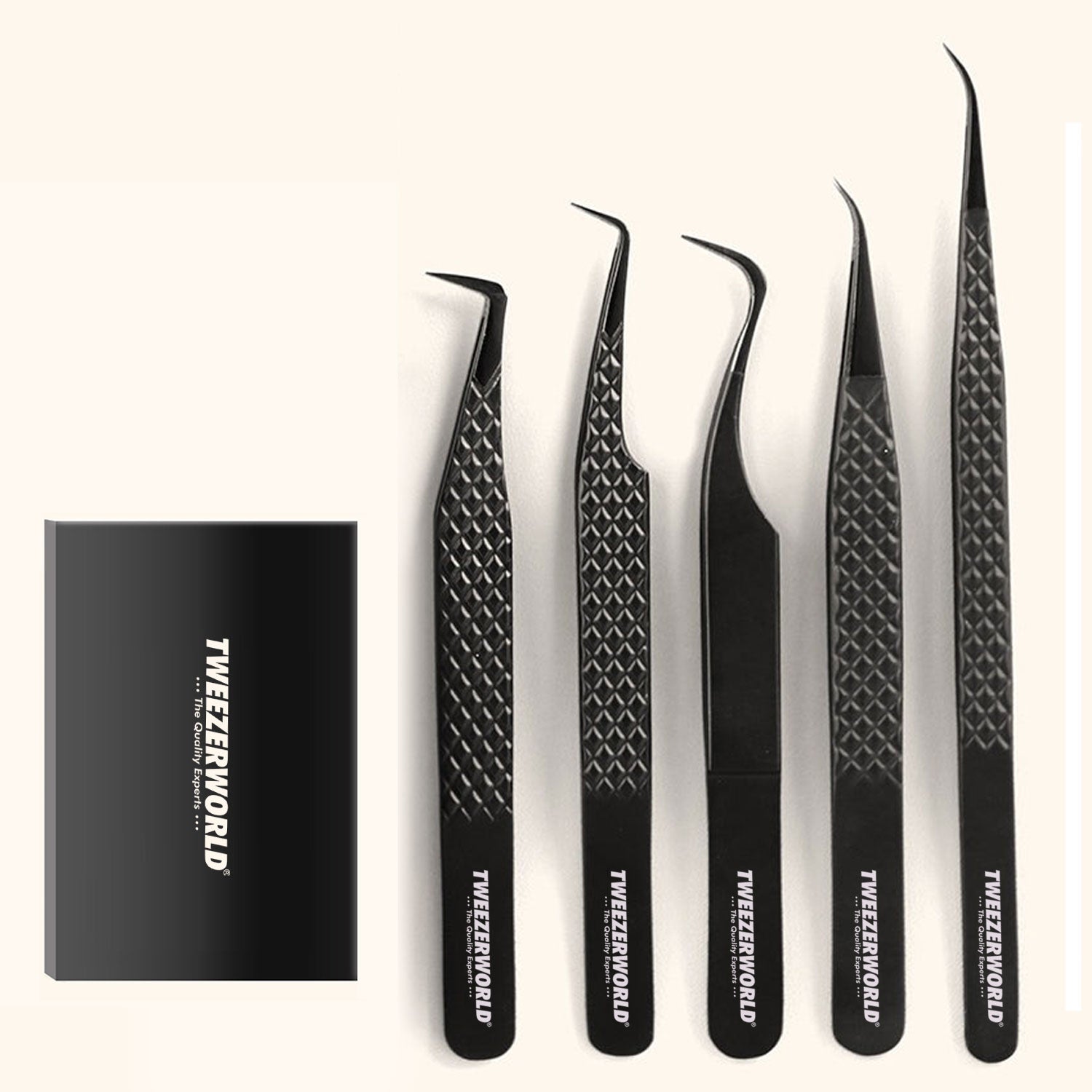
Fiber tip lash tweezers are precision working tools. Their textured inner contact surfaces, closing geometry and spring response must work together to provide controlled pickup and predictable release. With regular salon use, however, adhesive residue, accidental drops, repeated compression, unsuitable cleaning and normal wear can change how a tweezer performs.
A decline in pickup does not automatically mean that the tweezer has reached the end of its service life. The cause may be removable contamination, an unsuitable working position or a change in the lash fibers being used. In other cases, damaged texture, permanent misalignment, bent arms, unstable tension or corrosion means that the tool should be removed from professional service.
This guide explains how lash artists, academies, salons and private-label brands can inspect fiber tip lash tweezers and decide whether to clean, reassess, professionally adjust or replace them.
Do not continue using a tweezer with sharp burrs, cracks, severe corrosion, unstable arms or damage that could affect safe and controlled handling near a client.
Why Fiber Tip Tweezers Need Routine Inspection
The working end of a fiber tip tweezer contains a deliberately textured contact area. TWEEZER WORLD® offers options such as Hex, Straight-Line and Cross inner-tip textures, but the texture alone does not determine performance. Reliable handling also depends on:
- Tip alignment
- Contact-zone position
- Closing geometry
- Spring tension
- Arm symmetry
- Surface cleanliness
- Lash diameter and finish
- Pickup technique and hand pressure
Because these characteristics interact, inspection should evaluate the complete tool rather than only looking for visible wear.
Inspect Before Each Client and More Thoroughly at Regular Intervals
A quick pre-use check should confirm that the tool is clean, undamaged and closing normally. A more detailed inspection should be performed periodically and after any event that may have affected the tweezer.
Inspect immediately after:
- The tweezer has been dropped
- The tips have struck another metal tool
- The tweezer has been stored without tip protection
- Adhesive has hardened inside the textured area
- An unsuitable chemical has contacted the finish
- The closing action suddenly feels different
- Pickup or release becomes inconsistent
Inspection frequency should reflect actual workload, cleaning practices and the brand's professional procedures. A fixed calendar replacement date cannot account for how each tool is used or maintained.
Replace, Clean or Reassess? A Quick Decision Table
| Inspection finding | Recommended action |
|---|---|
| Removable adhesive or cosmetic residue | Clean using the approved method, dry fully and retest. |
| Pickup changed after switching lash fibers | Reassess with the original documented fibers and technique. |
| Minor alignment concern with no cracks or bent arms | Remove from client use and obtain qualified inspection or adjustment. |
| Damaged or flattened inner-tip texture | Replace when the working contact surface can no longer meet the intended acceptance criteria. |
| Tips cross, twist or shift under normal pressure | Remove from service; replace unless qualified correction and full reinspection are available. |
| Permanently bent arm or altered tip angle | Replace. |
| Unstable, unusually soft or suddenly firm tension | Remove from service; inspect for deformation and replace if the original response cannot be restored and verified. |
| Surface corrosion, pitting or cracking | Replace. |
| Contamination cannot be removed from the texture | Replace. |
| Repeated decline in pickup after cleaning and controlled retesting | Compare with the approved reference tool and replace if the tweezer fails the defined functional check. |
1. Damaged Inner-Tip Texture
The inner-tip texture should have consistent coverage within the intended working area. Inspect it under bright, directional lighting and suitable magnification.
Look for:
- Flattened or polished-down texture
- Chipped sections
- Sharp projections or burrs
- Deep scratches crossing the pattern
- Uneven wear between the two contact faces
- Coating or residue filling the textured features
- Damage at the boundary of the working zone
Normal appearance can vary between Hex, Straight-Line and Cross patterns. Compare the working tool with an unused reference of the same model rather than a different texture type.
Replace the tweezer when permanent texture damage changes pickup or release, creates an uncleanable area or introduces sharp irregularities. Do not attempt to restore the pattern with uncontrolled filing, sanding or aggressive abrasion; this can change the contact geometry and create new burrs.
2. Tip Misalignment
Alignment should be examined from the top, side and end while the tool is closed slowly. Check it under light and normal working pressure.
Warning signs include:
- One tip sits above the other
- The tips cross when closed
- The contact faces slide sideways
- Only one corner makes contact
- The working zone has moved noticeably
- The tips align lightly but shift under normal pressure
A tweezer that has been dropped may develop subtle misalignment even if no damage is visible from above. Compare its closure with the product's approved geometry, because not every design is intended to have full-face contact.
Minor adjustment may be possible by a qualified technician or manufacturer. The tool should then undergo complete alignment, tension and functional testing. Repeated bending by the user can weaken the arms, alter tension and make the closure less stable. If the alignment cannot be restored predictably, replace the tweezer.
3. Bent Arms or Altered Tip Geometry
Both arms should retain the intended symmetry, resting opening and approach angle. Place the tool beside an approved sample or technical outline and inspect for:
- A visibly bowed arm
- An uneven resting opening
- A changed bend location
- A twisted handle
- A boot, foot or angled tip no longer sitting square
- Permanent deformation after the tool is released
Bent arms affect more than appearance. They change how force travels from the hand to the contact area and may cause alignment to vary during closure.
A significantly bent tweezer should be replaced. Attempting to straighten it without controlled fixtures and inspection can produce metal fatigue, inconsistent tension or hidden deformation.
4. Unstable or Changed Spring Tension
Spring tension is the closing force felt by the user. A tool's tension should remain reasonably consistent during normal operation.
Remove the tweezer from service if it:
- Suddenly feels much softer or firmer
- Closes unevenly
- Sticks partway through its movement
- Does not return to its normal opening
- Feels unstable or changes pressure during closure
- Requires excessive force to maintain contact
First check for adhesive or debris restricting the arms. After approved cleaning, compare the tool with a known reference. Where tension is a controlled product characteristic, measure closing force at the defined handle position and opening.
Replace the tool if permanent deformation or unstable spring response prevents it from meeting the approved tension range.
5. Corrosion, Pitting and Surface Breakdown
Stainless steel is corrosion resistant, not corrosion proof. Exposure to moisture, salts, unsuitable cleaning chemicals or poor drying can damage the surface.
Inspect for:
- Rust-colored marks
- Pitting
- Dark spots that return after cleaning
- Cracks
- Flaking or blistering coating
- Rough areas near the tip
- Corrosion around markings or textured recesses
Superficial residue should be distinguished from actual corrosion using an approved cleaning and inspection process. A tool with confirmed pitting, cracking or progressive corrosion should be replaced. Pits can retain contamination and make reliable cleaning more difficult.
6. Contamination That Cannot Be Reliably Removed
Fiber tip textures contain small surface features that can collect adhesive, dust, fibers, oils and cleaning residue.
Do not use a tweezer professionally when the working area contains:
- Hardened adhesive
- Unknown residue
- Lint trapped in the texture
- Visible particles
- Cleaning chemical residue
- Material that transfers during a clean-surface check
Use only cleaning products and methods compatible with the tool's steel, coating and texture. Avoid scraping the gripping faces with another metal instrument because this can damage the pattern and alignment.
If contamination remains after the approved cleaning process, or if the required cleaning would damage the tool, replace it.
7. Declining Pickup or Unpredictable Release
Declining performance should be investigated systematically. Pickup can change even when the tweezer has not been damaged.
Possible causes include:
- Adhesive residue inside the tips
- A different lash diameter or surface finish
- A change in tape-strip behavior
- Using a different position within the contact zone
- Changing the pickup technique
- Reduced or excessive closing pressure
- Tip misalignment
- Texture damage
- Altered spring tension
Clean the tool, inspect it and repeat the test using documented materials and technique. Compare it with an approved reference tweezer of the same model.
Replace the tool when it repeatedly fails the brand's controlled pickup-and-release test after cleanliness, fiber choice, technique, alignment and tension have been checked.
Do Not Judge Replacement by Fan Size Alone
The ability to create a particular fan depends on lash diameter, fiber finish, technique, pickup position, artist experience and tool condition. Failure to create a stated fan size is not by itself proof that the tweezer is defective.
A professional functional test should record:
- Fiber brand and material
- Lash diameter and length
- Number of fibers attempted
- Fanning technique
- Pickup position
- Contact zone used
- Closing pressure
- Number of attempts
- Pickup stability and release behavior
This produces a more defensible maintenance decision than a universal “works up to” claim.
Professional Inspection Procedure
- Identify the tool. Record its SKU, pattern, texture, finish, batch and date placed into service.
- Clean it. Follow the approved method before judging the contact surfaces.
- Inspect the exterior. Look for bent arms, cracks, corrosion and coating damage.
- Inspect the texture. Use lighting and magnification to check coverage, residue and damage.
- Check alignment. Observe closure from several directions under light and normal pressure.
- Check tension and return. Compare the movement with the approved reference or measured range.
- Perform a controlled functional test. Use defined lash fibers and technique.
- Record the decision. Return to service, clean and retest, obtain qualified adjustment, quarantine or replace.
Fiber Tip Lash Tweezer Inspection Checklist
| Inspection point | Accept | Action if unacceptable |
|---|---|---|
| Product identity is readable | Correct SKU or model confirmed | Quarantine unidentified tools |
| Inner-tip texture | Clean, intact and within the working zone | Clean and retest; replace if permanently damaged |
| Tip alignment | Matches the intended closing geometry | Remove from use; qualified adjustment or replacement |
| Arms | Straight, symmetrical and stable | Replace if bent or twisted |
| Spring tension | Consistent and within the approved range | Inspect for contamination or deformation; replace if unstable |
| Return action | Returns to the expected opening | Remove from service |
| Corrosion | No pitting, cracking or progressive corrosion | Replace |
| Contamination | No visible or transferable residue | Clean; replace if it cannot be removed reliably |
| Surface finish | No failure affecting handling or cleanability | Replace when the defect is functional or uncleanable |
| Pickup and release | Passes the documented model-specific test | Investigate conditions, then replace if repeated failure remains |
| Tip protector and storage | Clean, secure and non-deforming | Replace the protector or storage system |
Create a Tool Status System
Salons and academies can reduce accidental reuse of damaged tools by applying a simple status system:
- Available: inspected and ready for professional use
- Cleaning required: awaiting the approved cleaning process
- Quarantined: suspected damage or uncertain performance
- Adjustment required: reserved for qualified evaluation
- Retired: permanently removed from professional service
Keep quarantined and retired tools physically separate from usable inventory.
Record the Service History
For academies, high-volume salons and product testing, maintain a simple record containing:
- Tool identification
- Date placed into service
- Inspection dates
- Drop or impact incidents
- Cleaning method
- Alignment findings
- Tension findings
- Functional-test result
- Adjustment history
- Replacement date and reason
These records can also help private-label brands identify recurring product, packaging or care-instruction issues.
How to Extend Useful Service Life
- Use a clean, non-deforming tip protector during storage and transport.
- Keep each tweezer in an individual slot or protective case.
- Do not place tools loosely together where the tips can strike.
- Remove adhesive before it hardens, using an approved method.
- Dry the tool completely after cleaning.
- Do not scrape textured tips with another metal instrument.
- Do not use the working end to pry, lift lids or manipulate hard objects.
- Inspect immediately after a drop.
- Follow the manufacturer's finish- and coating-specific care guidance.
Guidance for Private-Label Brands
A brand selling fiber tip lash tweezers should define replacement criteria in its care instructions rather than promising an unlimited working life.
The product specification should identify:
- Inner-tip texture: Hex, Straight-Line, Cross or another approved pattern
- Texture coverage
- Closing geometry
- Alignment acceptance criteria
- Spring-tension classification or measured range
- Approved cleaning method
- Inspection frequency
- Conditions requiring immediate removal from service
- Functional test and reference materials
A concise customer instruction could state:
Inspect before use and after any drop or impact. Discontinue use if the tips are bent, crossed, cracked, corroded, uncleanable or unable to maintain stable closure. Clean only by the recommended method and replace the tool if controlled pickup and release remain inconsistent after inspection.
Frequently Asked Questions
How long should a fiber tip lash tweezer last?
There is no universal service-life period. Useful life depends on workload, handling, drops, cleaning, storage, coating, material and inspection results. Replace based on verified condition rather than age alone.
Should a fiber tip tweezer be replaced after every drop?
It should be removed from use and inspected immediately. Replacement is appropriate if the drop causes misalignment, deformation, unstable tension, tip damage or failure of the controlled functional test.
Can damaged texture be repaired?
Reworking texture may change the gripping surface and closing geometry. Do not use uncontrolled filing or abrasion. Where qualified factory refurbishment is unavailable or cannot be verified, replacement is the safer commercial decision.
Does declining grip always mean the texture is worn?
No. Residue, changed lash fibers, technique, pickup position, alignment and tension can all influence performance. Clean, inspect and conduct a controlled comparison before deciding.
Can misaligned tips be adjusted by hand?
Uncontrolled bending can worsen alignment and alter tension. Remove the tool from professional use and use qualified adjustment followed by full reinspection, or replace it.
Should coated tweezers be replaced when the color scratches?
A small cosmetic scratch does not automatically make the tool unusable. Replace it when coating failure affects comfort, cleanability, corrosion protection, tip closure or professional presentation under the brand's acceptance standard.
Conclusion
Fiber tip lash tweezers should be replaced when permanent damage prevents clean, stable and predictable professional use.
The most important replacement indicators are:
- Damaged or uncleanable inner-tip texture
- Persistent tip misalignment
- Bent or twisted arms
- Unstable spring tension
- Failure to return to the correct opening
- Corrosion, pitting or cracking
- Contamination that cannot be removed reliably
- Repeated functional-test failure after cleaning and reassessment
A documented inspection process helps professionals distinguish a tool that needs cleaning from one that requires adjustment or replacement. It also gives private-label brands a more credible basis for care instructions, warranties and quality-control decisions.
Explore TWEEZER WORLD®'s Fiber Tip Lash Tweezers or learn about OEM and Private-Label Tweezer Manufacturing.
Primary CTA: Request a Fiber Tip Lash Tweezer Evaluation Set
Papular Products Gallery