
How Lash Academies Choose Student Tweezer Kits
A lash academy student kit should support consistent teaching, safe storage and repeatable technique development. Choosing tools only by colour or the number of pieces can create unnecessary variation between students and make it difficult for instructors to diagnose grip, isolation or hand-position problems.
The best kit is built around the curriculum, student level and quality-control requirements of the academy.
Start With Course Outcomes
List the techniques taught in each course: classic isolation, classic pickup, hybrid work, volume, mega volume, wet-look, wispy styling or premade-fan placement. Include only tools that have a defined teaching purpose.
Student Kits and Instructor Kits Are Different
A student kit should be simple, durable and easy to identify. An instructor kit can include additional geometries for demonstrations, troubleshooting and comparison.
| Kit type | Suggested role | Selection priority |
|---|---|---|
| Starter student kit | Foundation or classic course | One isolation and one pickup/application tool |
| Volume student kit | Volume course | Isolation plus one or two defined volume geometries |
| Advanced student kit | Mixed technique training | Additional 45°, 90°, L-shape or boot options only where taught |
| Instructor kit | Demonstration and diagnosis | Broader shape and tension comparison range |
Choose Shapes by Teaching Method
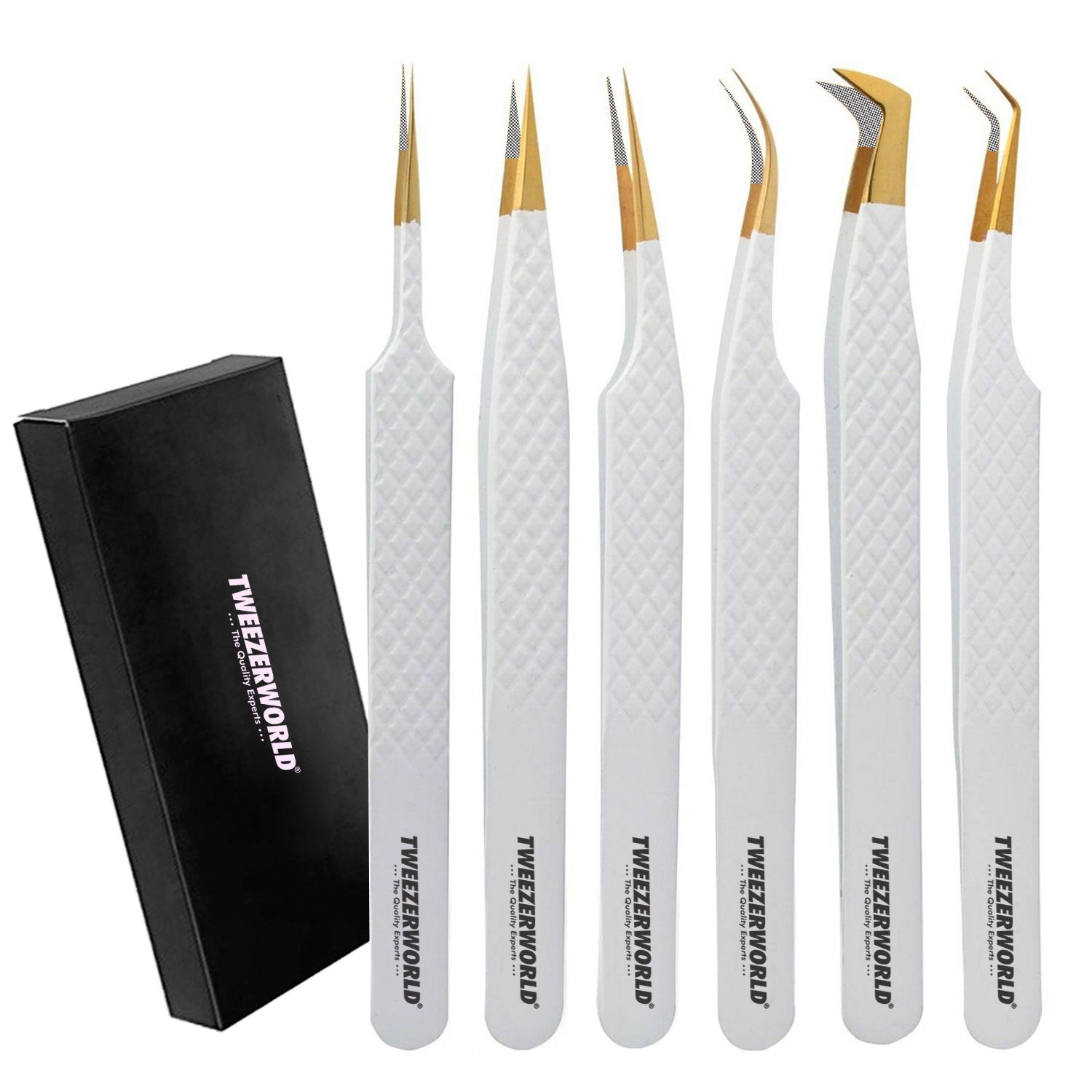
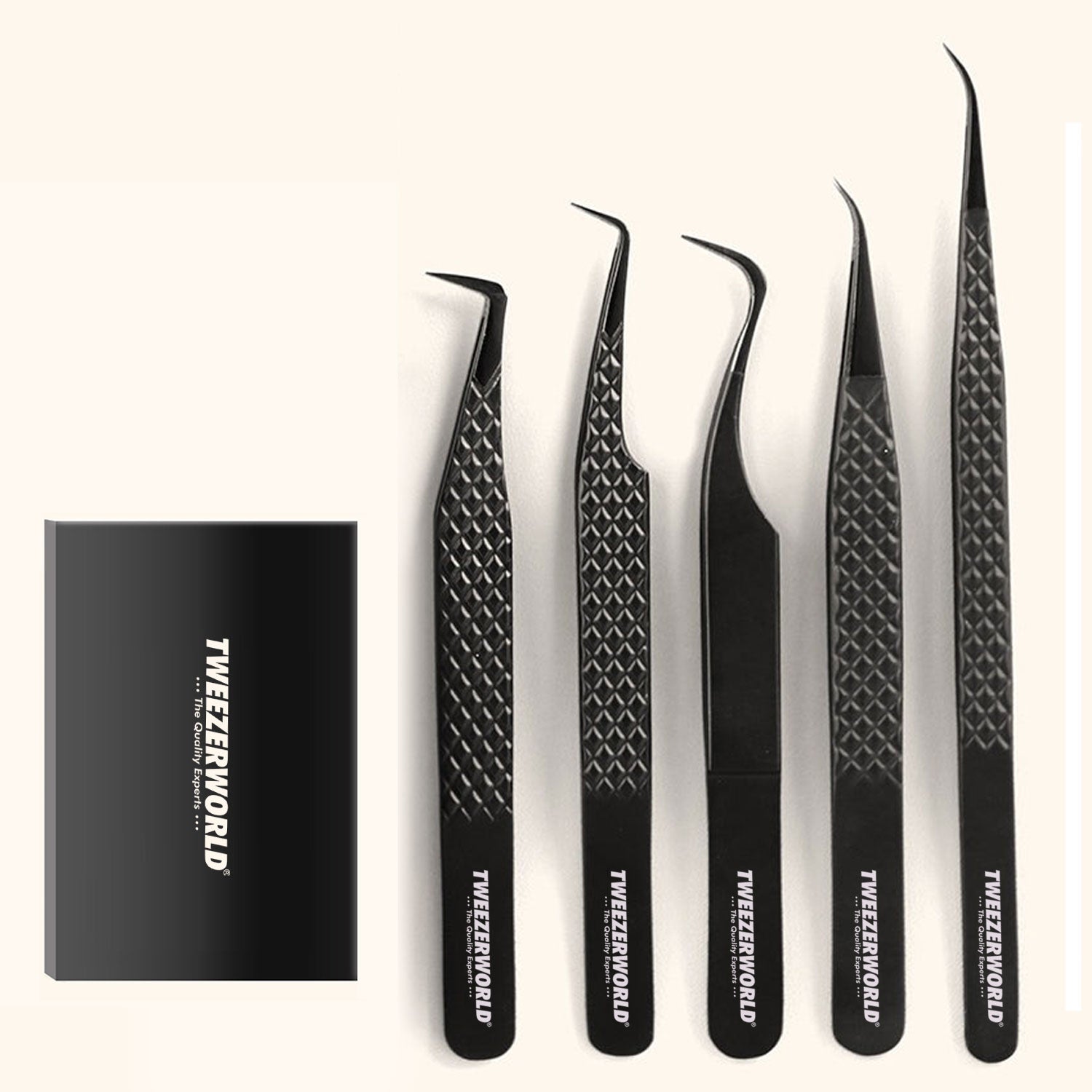
Straight or fine isolation tweezer
Used for separation and access. Define point geometry, visibility and closing action appropriate to the training method.
Curved pickup tweezer
Can support classic, hybrid or selected volume techniques depending on contact geometry and instructor method.
45-degree tweezer
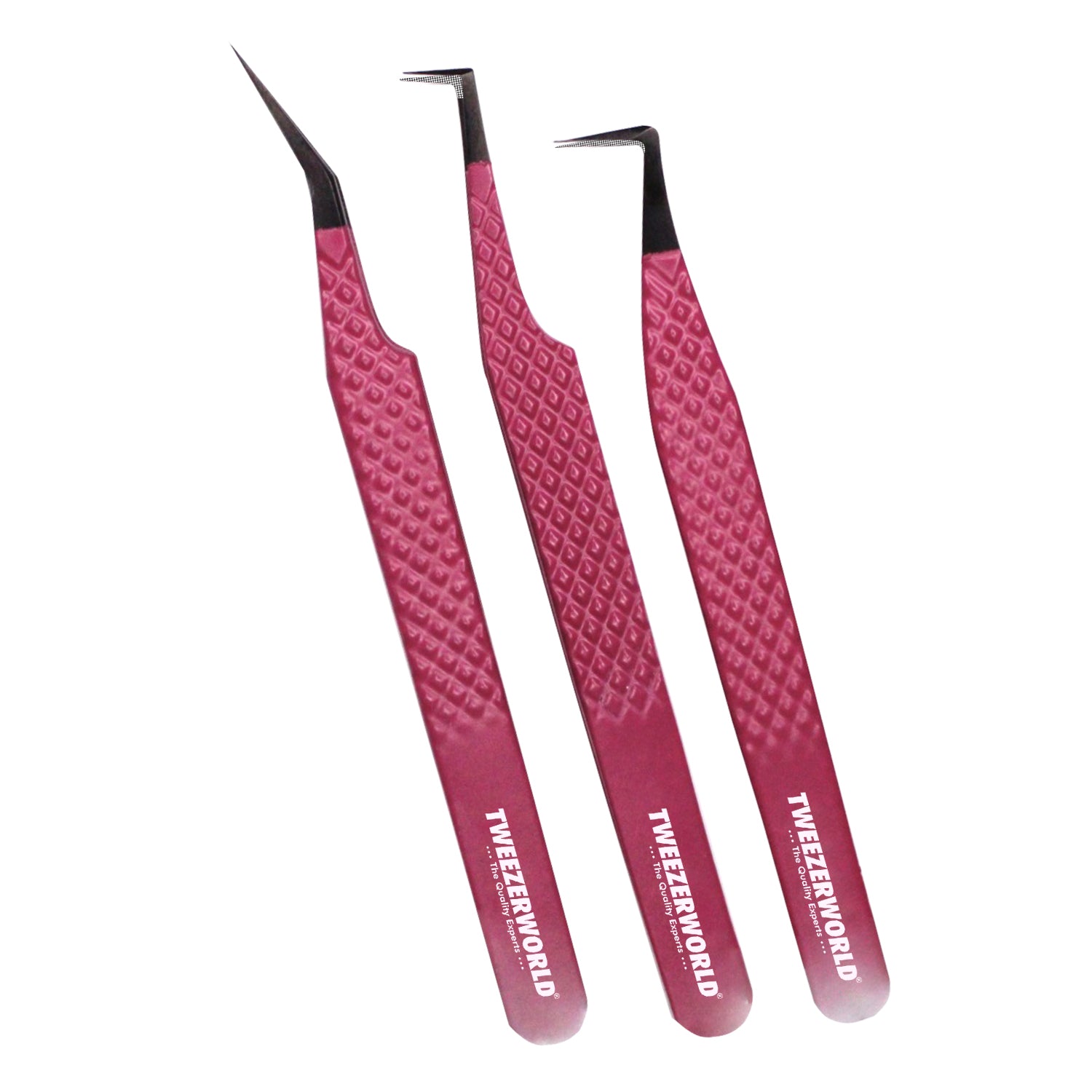
Provides an angled approach that some courses use for side pickup or placement. It should not be included merely to increase the piece count.
90-degree, L-shape or boot
Often used in volume training, but the contact zone, working angle and tension must match the technique being taught.
Control Tension Across Student Kits
Large differences in spring action can distract from learning. Define a tension classification and, where possible, a measured closing-force range at a specified opening. Instructors can then separate tool-related issues from technique-related issues.
Inspect Alignment and Contact Geometry
Every tool should be checked for tip symmetry, closing position, crossing, twist and stable contact. A “sweet spot” should be demonstrated and recorded for the exact model rather than claimed across every pair.
Fiber Tip or Smooth Tip?
Textured inner tips may change surface interaction, while smooth tips can provide a different pickup feel. Neither technology guarantees a technique result. Academies should test models with their own lash diameters, strips and teaching methods before standardizing the kit.
Number and Identify Every Tool
Use a clear model code or number for each shape. The identifier should appear on the tool, kit insert or case position so instructors can give precise guidance and replacements can be ordered correctly.
Protect the Tips
- Use individual sleeves or separated case positions.
- Apply tip protectors that do not bend the working end.
- Prevent metal-to-metal contact during transport.
- Include care and inspection instructions.
- Explain when a dropped, bent or contaminated tool should be removed from use.
Approve Samples Before Ordering Class Quantities
Test each proposed model with instructors and a small student group. Record dimensions, texture, alignment, tension, finish, pickup observations and packaging. Sign a golden sample and link it to the drawing and specification.
Plan Replacement Support
Student tools may be dropped, contaminated or damaged. Establish replacement SKUs, spare quantities and a simple reorder process. For replaceable-tip models, identify the compatible tip code and fitting instructions.
Private-Label Academy Packaging
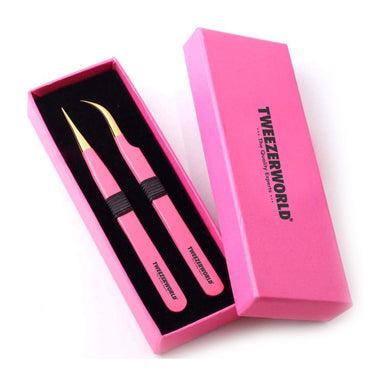
Academies can specify a logo, numbered case, care card, course insert, student name area and QR link to training resources. Branding should not obscure model identification or important care information.
Academy Procurement Checklist
- Course and techniques supported
- Required shapes and quantity per student
- Model codes and kit numbering
- Material and finish
- Tip texture by model
- Tension classification
- Alignment and functional inspection
- Logo and artwork approval
- Case, sleeve and tip protection
- Care card and instructor reference
- Replacement SKUs and spare tools
- Golden sample and batch acceptance plan
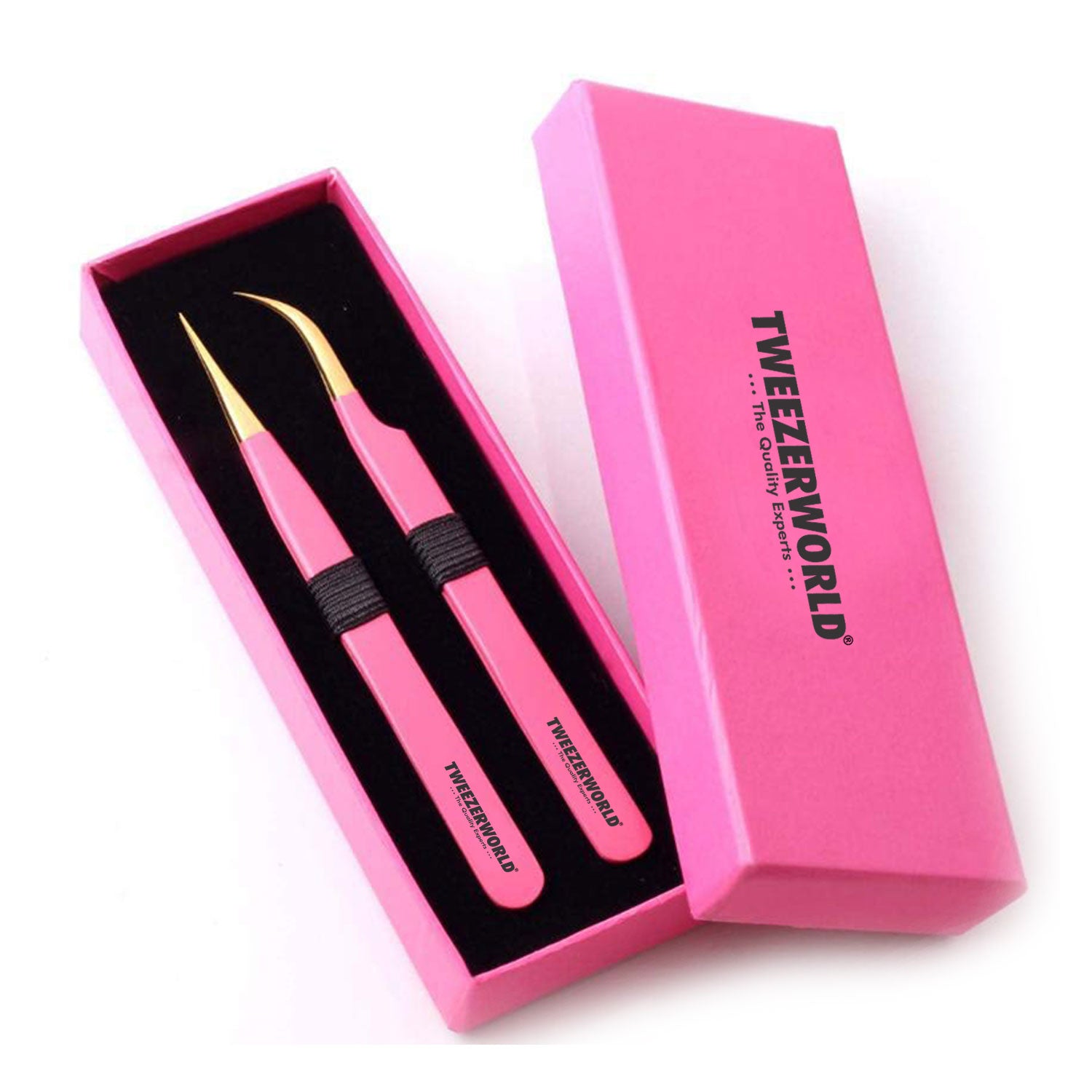
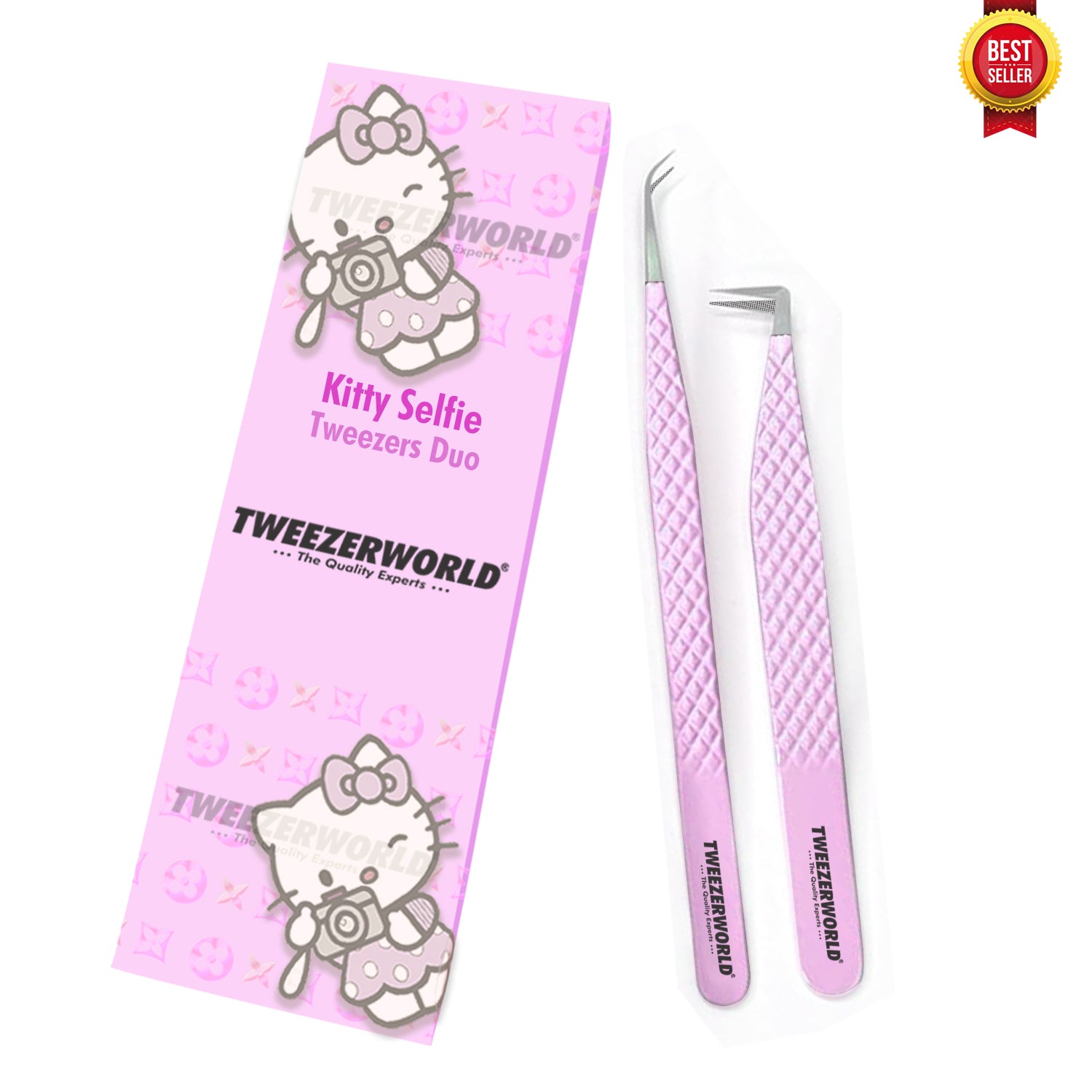
Explore the main Lash Tweezers collection, Lash Tweezer Sets, and Lash Academy Tweezer Kits.
Request a Lash Academy Tool Set
TWEEZER WORLD® can discuss 5-, 10- and 20-student packages with numbered tools, protective cases, care cards, instructor samples and private-label branding. Final contents should follow the approved curriculum and samples.
Request a Lash Academy Student Kit or contact WhatsApp at +92 321 6194723.
Papular Products Gallery