
How to Build a Private-Label Lash Tweezer Brand
How to Build a Private-Label Lash Tweezer Brand
Launching a private-label lash tweezer brand requires more than placing a logo on a standard tool. Professional lash artists compare grip, tip alignment, tension, balance, sweet spot, finish and long-term consistency. The strongest brands therefore begin with a clear product strategy and a dependable manufacturing process.
Whether you are an established lash educator, salon owner, beauty distributor or first-time e-commerce founder, this guide explains how to develop private-label lash tweezers that customers can understand, trust and reorder.
What Are Private-Label Lash Tweezers?
Private-label lash tweezers are manufactured by a specialist supplier and sold under another company’s brand name. The manufacturer handles production, finishing and inspection, while the brand controls elements such as:
- Brand name and logo
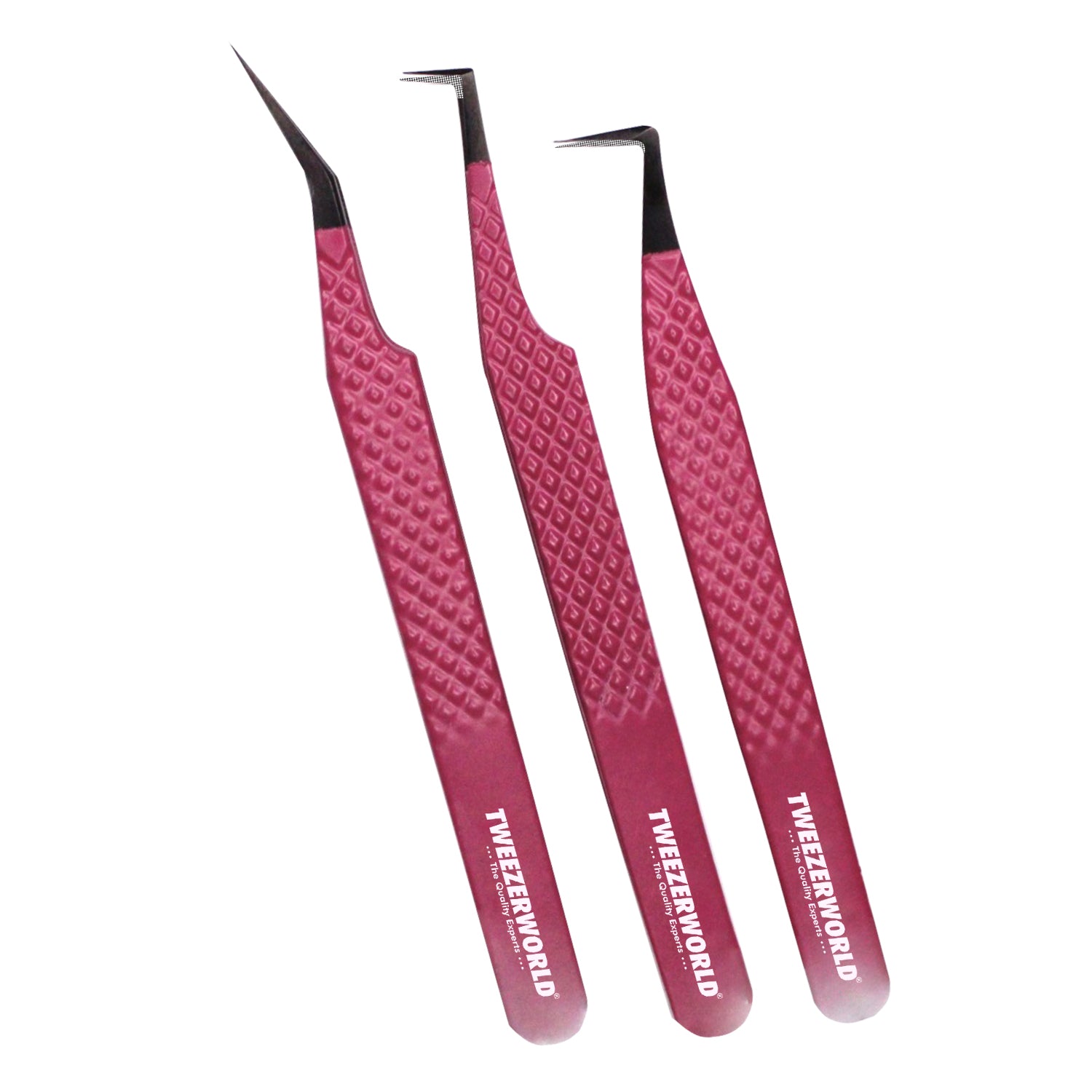
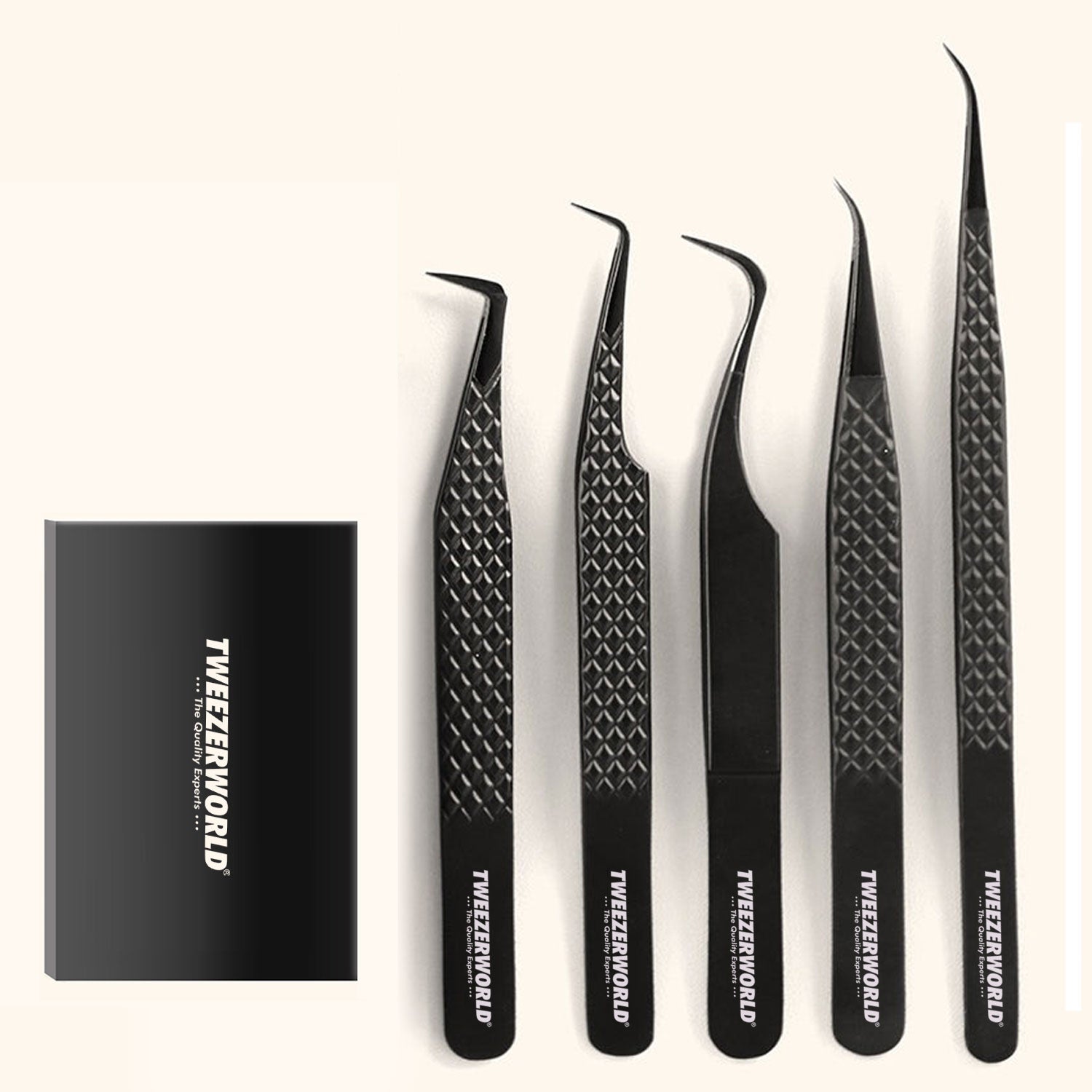
- Tweezer shapes
- Tip texture
- Spring tension
- Colors and finishes
- Product names
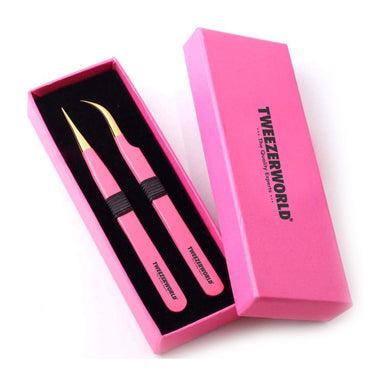
- Packaging
- Retail positioning
- Marketing and customer support
A stock private-label program uses existing tweezer designs with customized branding. OEM manufacturing can go further, allowing qualifying brands to develop custom shapes, dimensions, tension profiles, grip patterns or packaging.
Explore the TWEEZER WORLD® OEM and private-label program for available customization options.
Step 1: Define the Lash Artist You Want to Serve
Do not begin by selecting colors. Begin by identifying the customer and technique your collection will support.
A beginner-focused brand may prioritize easy-to-control tension, clear product names and a simple two-piece set. An advanced volume brand may need wider gripping surfaces, defined sweet spots and several specialized pickup angles.
Possible customer groups include:
- Beginner lash artists
- Classic lash specialists
- Hybrid lash artists
- Volume and Russian-volume artists
- Mega-volume specialists
- Wispy and wet-look artists
- Lash educators and academies
- Salons requiring coordinated tool sets
Your target customer will influence every later decision, from tweezer shape to packaging language.
For example, an isolation-focused range should emphasize fine-lash control, visibility, stickie separation and inner-corner access. A volume range should focus more on gripping area, fan pickup and compatibility with the artist’s preferred fanning method.
Step 2: Choose a Focused Launch Collection
A new lash brand does not need twenty nearly identical tweezers. A smaller, clearly differentiated collection is usually easier to explain, test and market.
A practical initial range could include:
| Tweezer style | Primary purpose |
|---|---|
| Straight isolation | Separating natural lashes and classic work |
| Curved isolation | Accessing different angles and inner corners |
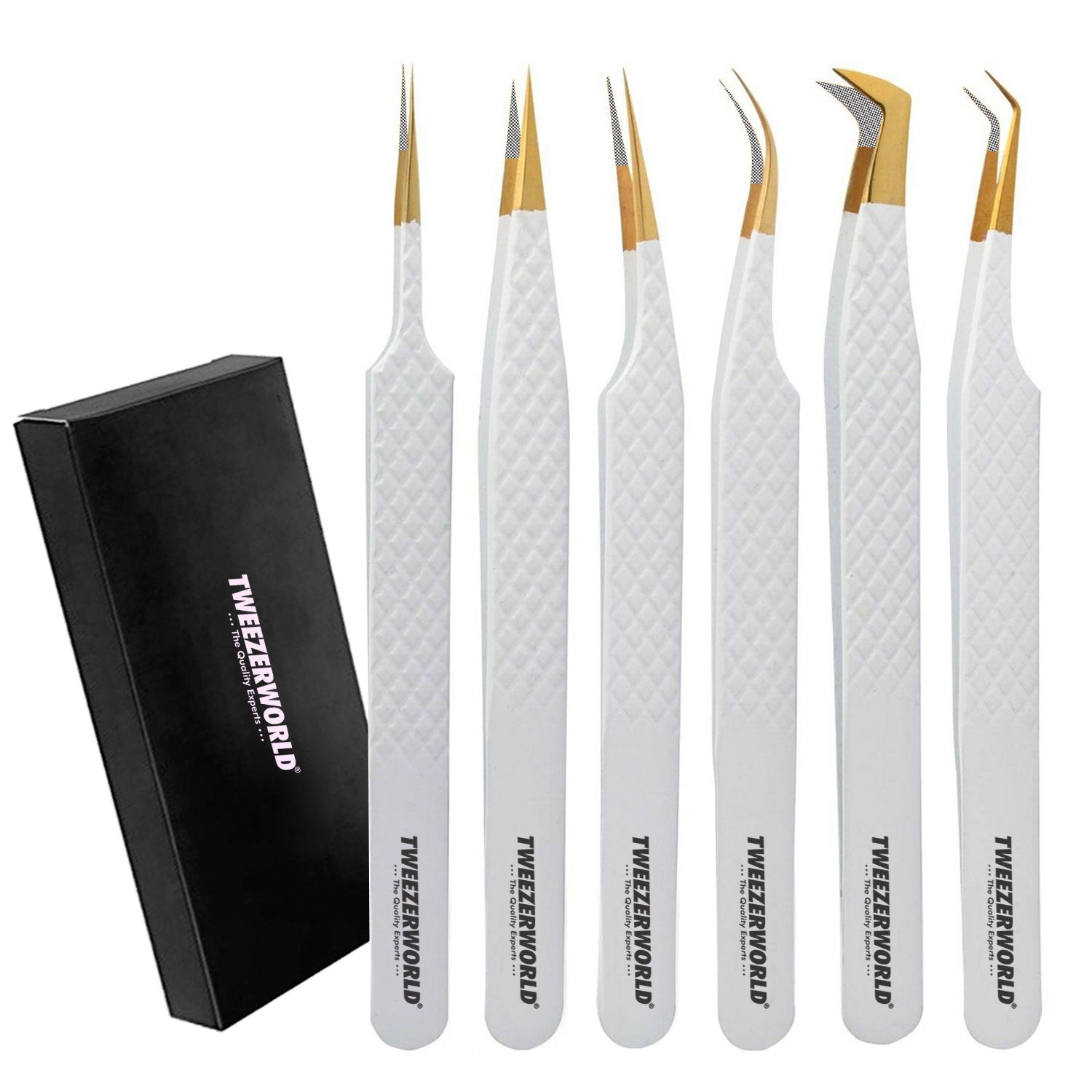
| 45° angled tweezer | Versatile classic, hybrid and volume pickup |
| Boot tweezer | Broad contact area for handmade volume fans |
| L-shape tweezer | Controlled fan pickup and base handling |
| 90° tweezer | Narrow, closed and mega-volume fan techniques |
Brands targeting volume artists can begin with a coordinated selection from the Fiber Tip Lash Tweezers collection. Brands serving classic artists should also consider specialist Isolation Tweezers.
Step 3: Decide Between Smooth and Fiber Tips
The inner-tip surface is one of the most important product decisions.
Smooth-tip tweezers
Smooth tips can provide precise contact when the working surfaces are accurately aligned. They are commonly used for isolation, classic pickup and artists who prefer a traditional closing feel.
Fiber-tip tweezers
Fiber tips have a micro-textured gripping surface that increases contact with lightweight lash fibers. Depending on the shape, alignment and artist’s technique, this texture can help reduce unwanted slipping during volume-fan pickup.
Fiber-tip options can include:
- Hex pattern
- Straight-line pattern
- Cross pattern
- Other custom grip patterns
Texture is not a substitute for proper alignment. A professional fiber-tip tweezer still requires an accurately formed tip, consistent closing contact, suitable tension and careful inspection.
Brands can compare available shapes within the TWEEZER WORLD® Fiber Tip collection.
Step 4: Create a Technical Product Specification
A written specification keeps samples and production orders consistent. It also gives your team a clear standard for future reorders.
Your specification should cover:
- Tweezer shape and overall length
- Tip width and working angle
- Inner-tip texture
- Gripping-contact area
- Sweet-spot position
- Soft, medium or firm tension
- Body material
- Surface finish
- Color or coating
- Logo size and position
- Individual or set packaging
- Inspection requirements
Product characteristics should be stated precisely. For example, use “medium spring tension” instead of “perfect tension,” or “hex-textured inner tip” instead of simply calling the tool “advanced.”
If you advertise a particular stainless-steel grade, coating performance or other technical property, confirm it with the manufacturer and supporting test documentation before publishing the claim.
Step 5: Select the Right Tension
Tension affects comfort, control and the amount of pressure needed to close the tweezer.
Soft tension
Soft tension requires less closing pressure and may suit artists who prefer a light feel during long appointments. However, the tweezer still needs enough spring recovery to open smoothly.
Medium tension
Medium tension offers a balanced feel and is often a practical starting point for a general professional collection.
Firm tension
Firm tension gives stronger closing feedback but may not suit artists who use a very light grip.
Tension is personal. Instead of claiming that one option is best for everyone, explain the feel and intended user. For larger OEM programs, brands may offer the same shape in two tension profiles.
Step 6: Build a Recognizable Visual Identity
Color attracts attention, but recognition comes from consistency.
Choose a visual system that can be repeated across the tweezers, packaging, website and social media. Available customization may include:
- Laser-engraved logo
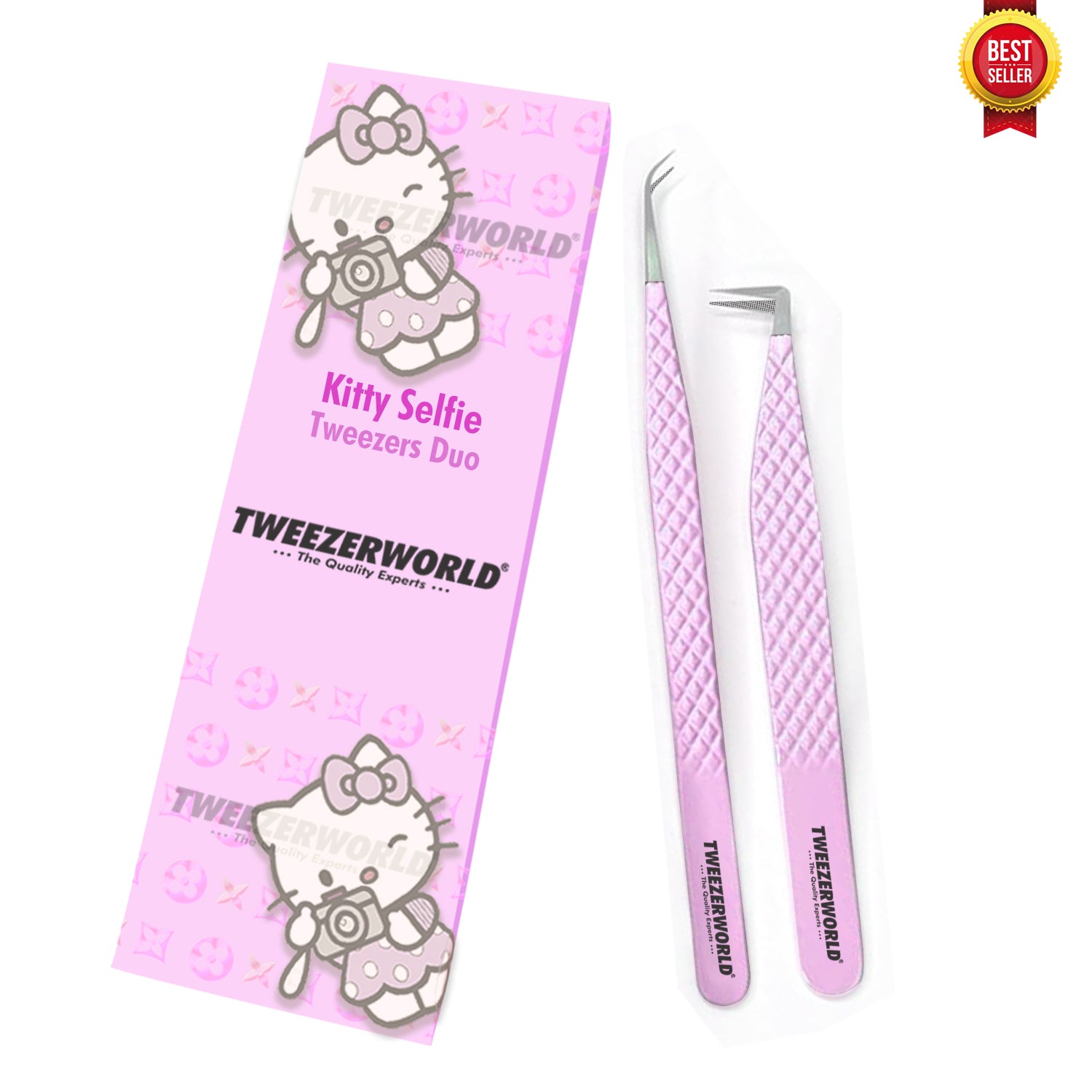
- Matte, satin, mirror or sandblasted finishes
- Gold, rose gold, black, rainbow or silver finishes
- Powder-coated brand colors
- Coordinated tip and handle colors
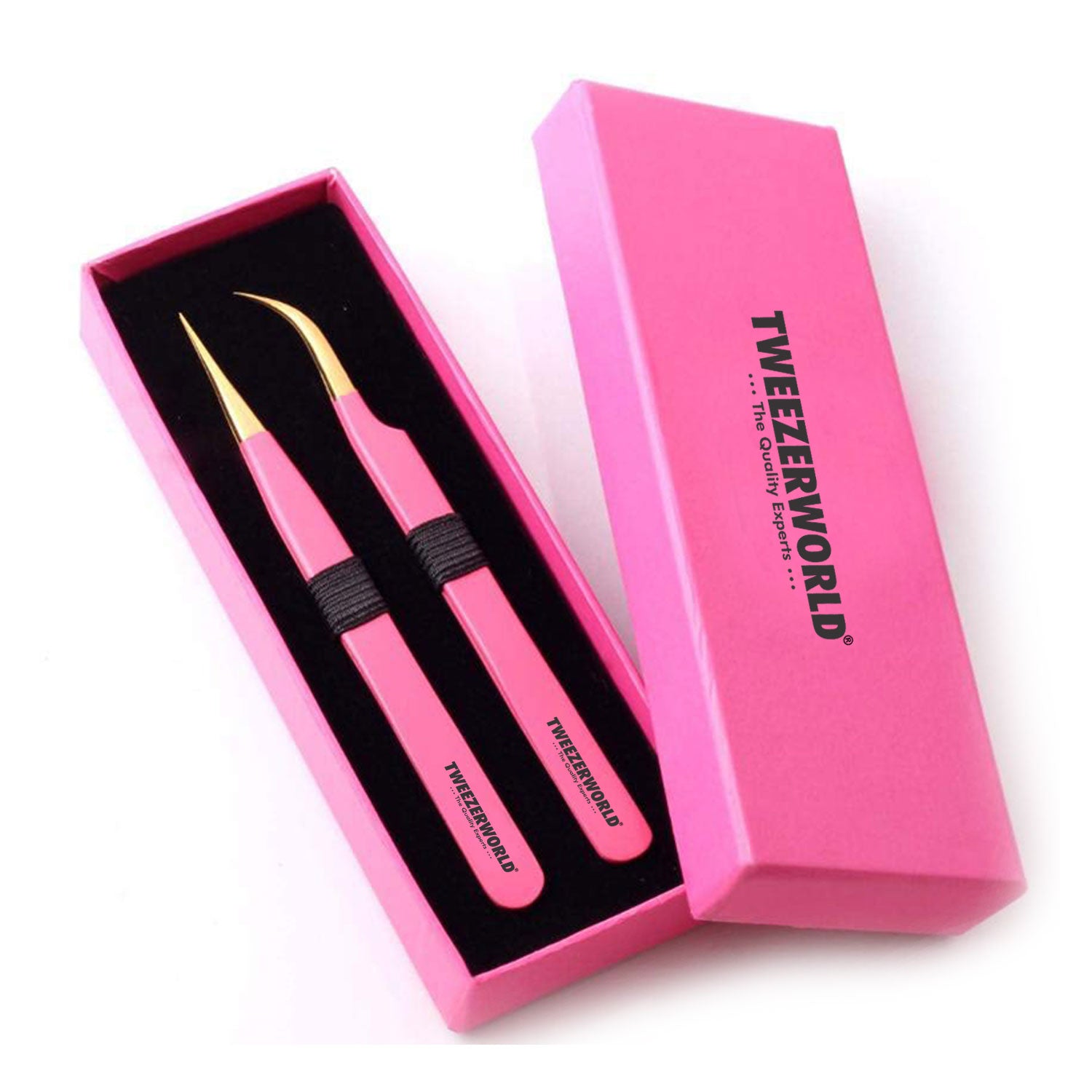
- Branded cases and magnetic boxes
- Care cards and product inserts
Your logo must remain readable without interfering with how the tweezer is held. Ask for a physical engraving sample before approving a bulk order, especially if the logo contains fine text.
Step 7: Develop Retail-Ready Packaging
Packaging should protect the tips as well as present the brand.
A private-label package may include:
- Protective tip covers
- Foam or fitted insert
- Paper retail box
- Magnetic presentation box
- Tweezer pouch or case
- Product-information card
- Cleaning and care instructions
- Barcode or SKU label
- Batch or inspection identifier
- Contact and warranty information
The front of the box should identify the tweezer clearly. The back or insert can explain its shape, tension, texture and recommended technique.
Avoid using one generic description for every model. A straight isolation tweezer and a boot volume tweezer solve different problems and deserve different positioning.
Step 8: Test Samples with Real Lash Artists
Never approve a production order from photographs alone. Request physical samples and test them with artists who represent your intended customer.
Evaluate each sample for:
- Tip alignment under normal closing pressure
- Contact across the intended sweet spot
- Pickup with the lash diameters you plan to mention
- Fan control using relevant techniques
- Natural-lash isolation and visibility
- Opening and closing action
- Tension during an extended working session
- Surface and coating consistency
- Logo quality
- Protection inside the proposed packaging
Record the results for each sample rather than relying on general impressions. If several testers disagree, that may indicate the product suits different hand positions or techniques—not necessarily that the design is defective.
A configurable 4-Piece Fiber Tip Lash Tweezer Set can be a useful starting point for comparing isolation, angled, boot and 90° profiles.
Step 9: Establish a Clear Quality-Control Standard
Customers rarely see the manufacturing process, but they immediately notice a tweezer that does not close correctly. For this reason, quality control is central to the brand—not merely a factory concern.
Your inspection agreement should address:
- Raw-material verification
- Tweezer dimensions
- Tip symmetry and alignment
- Gripping contact
- Sweet-spot performance
- Spring tension
- Closing and reopening action
- Surface finish
- Coating consistency
- Engraving position
- Packaging accuracy
- Final quantity and assortment
Ask how nonconforming units are identified and handled. For repeat orders, retain an approved reference sample so that later production can be compared with the original standard.
TWEEZER WORLD® describes its manufacturing and inspection capabilities on its Eyelash Tweezers Manufacturer page.
Step 10: Price the Complete Product
The factory price is only one part of your cost.
Calculate the complete landed cost, including:
- Tweezer manufacturing
- Coating and custom finishing
- Logo engraving
- Packaging
- Sample development
- Quality inspection
- Freight
- Import duties and taxes
- Payment fees
- Warehousing
- Fulfilment
- Returns and replacements
- Marketing
- Retailer or distributor margin
Build enough margin to support customer service and replacement of genuine defects. A product that is priced too tightly may leave the brand unable to maintain the service level expected from a professional tool.
Step 11: Create Product Names Customers Understand
A memorable collection name can support branding, but it should not replace the technical product description.
A useful naming structure is:
Collection Name + Shape + Tip Texture + Tension
Examples include:
- Precision Line Straight Isolation Tweezer — Smooth Tip
- Studio Grip 45° Volume Tweezer — Hex Fiber Tip
- Mega Control Boot Tweezer — Cross-Pattern Fiber Tip
- Detail Curve Isolation Tweezer — Soft Tension
Include technical fields on each product page:
- Tweezer shape
- Recommended technique
- Inner-tip texture
- Tension
- Sweet-spot location
- Material
- Finish
- Overall length
- Care instructions
This makes it easier for customers to compare products and reduces avoidable returns.
Step 12: Build Trust Through Risk Reduction
Premium lash-tweezer brands compete on more than shape and color. Customers also look for evidence that the tool has been inspected and that the company will support them if something goes wrong.
Trust-building features may include:
- Individually inspected tweezers
- Clearly explained performance checks
- Protective shipping packaging
- Realistic dispatch estimates
- Transparent return conditions
- A defined manufacturing-defect policy
- Care and cleaning instructions
- Responsive customer support
Only advertise a guarantee, replacement period or dispatch time that your business can consistently honor. Clear, sustainable policies create more trust than an exaggerated promise.
TWEEZER WORLD® can support private-label customers by combining custom manufacturing with agreed inspection requirements, branded packaging and scalable repeat production.
Step 13: Launch with Education, Not Only Product Photos
Lash artists need to understand why they should choose one model over another.
Create educational content around:
- How to select a tweezer by lash technique
- Fiber tip versus smooth tip
- Hex pattern versus cross pattern
- Soft versus firm tension
- Best shapes for isolation
- Best tweezers for narrow and wide fans
- How to locate the sweet spot
- How to clean textured tips
- How to store lash tweezers safely
Educational content supports search visibility while helping customers make better purchasing decisions. It also positions the brand as a professional resource rather than another reseller of similar-looking tools.
Step 14: Start Small and Scale from Sales Data
An initial collection should help you learn what customers actually prefer.
Track:
- Sales by shape
- Returns by model
- Frequently asked questions
- Reviews mentioning tension or grip
- Repeat-purchase rate
- Popular colors
- Individual versus set sales
- Requests for missing shapes
- Professional versus beginner buyers
Use this data to plan the next production order. Expand successful models into new colors or coordinated sets before investing in too many entirely new designs.
Common Private-Label Mistakes to Avoid
Choosing products only by appearance
A beautiful finish cannot compensate for weak alignment or unsuitable tension.
Launching too many similar shapes
Customers struggle to compare models when every description sounds the same.
Skipping physical sample testing
Photos cannot demonstrate grip, sweet spot, balance or closing pressure.
Making unsupported performance claims
Describe the tested characteristics of the product without promising universal results.
Ignoring replacement costs
Returns and support should be included in the retail margin from the beginning.
Changing specifications between orders
Maintain written specifications and approved reference samples for repeat production.
Using generic care instructions
Smooth, coated and textured tips may require different cleaning guidance. Match the instructions to the product.
Why Work with TWEEZER WORLD®?
TWEEZER WORLD® supports lash brands, salons, academies, distributors and online retailers with OEM and private-label lash tweezer manufacturing.
Available services may include:
- Stock and customized tweezer shapes
- Smooth and fiber-tip options
- Custom tension development
- Logo engraving
- Custom colors and finishes
- Branded retail packaging
- Coordinated tweezer sets
- Sample development
- Bulk production
- Quality inspection
- Worldwide shipping support
TWEEZER WORLD® was established in 2017 in Sialkot, Pakistan, continuing a family manufacturing tradition that began in 1969.
Explore the complete Lash Tweezers collection, compare Fiber Tip Lash Tweezers, or discuss your project through the OEM and Private-Label page.
Frequently Asked Questions
How much does it cost to start a private-label lash tweezer brand?
The cost depends on order quantity, tweezer shapes, finishes, logo method, packaging and shipping destination. Request a detailed quotation that separates product, customization, packaging and freight costs.
Should a new brand begin with individual tweezers or sets?
A two- or four-piece set can communicate a complete solution, while individual products allow customers to replace or test one shape. Many brands benefit from offering both.
Can I add my logo to lash tweezers?
Yes. Laser engraving is a common option. Logo size and position should be approved on a physical sample before bulk production.
Are fiber-tip tweezers better than smooth-tip tweezers?
Neither type is universally better. Fiber tips provide textured contact that can support grip during fine-lash and volume work. Smooth tips remain suitable for isolation, classic pickup and artists who prefer traditional contact.
Can I choose custom colors and packaging?
Custom colors, finishes, boxes, inserts and cases may be available depending on order quantity and production requirements. Confirm color tolerance and packaging specifications during sampling.
What should I test before approving production?
Test alignment, contact, tension, grip, sweet spot, finish, engraving and packaging. Use the exact lash diameters and techniques mentioned in your planned marketing.
What is the difference between private label and OEM?
Private label normally applies your branding to an established product. OEM development can involve deeper customization, such as a new tip profile, tension, dimensions, texture or packaging system.
Conclusion
A successful private-label lash tweezer brand is built around a clearly defined customer, carefully selected tools and repeatable quality standards. Begin with a focused collection, test physical samples with professional artists and make every product difference easy to understand.
When grip, tension, shape, inspection, packaging and customer support work together, a tweezer becomes more than a branded accessory—it becomes a professional tool customers can trust.
Papular Products Gallery