
Precision Handling Tools for VCSEL and Optical-Interconnect Engineering
VCSELs, optical engines and photonic assemblies are moving closer to advanced semiconductor packages and AI interconnect architectures. That makes handling-tool selection a process-engineering decision rather than a simple choice between “fine” and “blunt” tweezers.
Current industry work on co-packaged optics emphasizes fiber attach, optical alignment, photonics/laser integration, high-density I/O, contamination control, test and rework. For a handling-tool buyer, those constraints translate into a practical question: where may the tool touch the component, and what contact geometry is acceptable?
Start with the component and permitted contact zone
Before choosing a tweezer, document whether the item is a packaged VCSEL, bare die, optical subassembly, connector component, fiber-related part or another photonic element. Mark active optical surfaces, bond areas, coatings, edges and other no-touch zones. If mechanical gripping is inappropriate, an alternative handling method should be evaluated instead of forcing a tweezer into the process.
Candidate geometries for evaluation
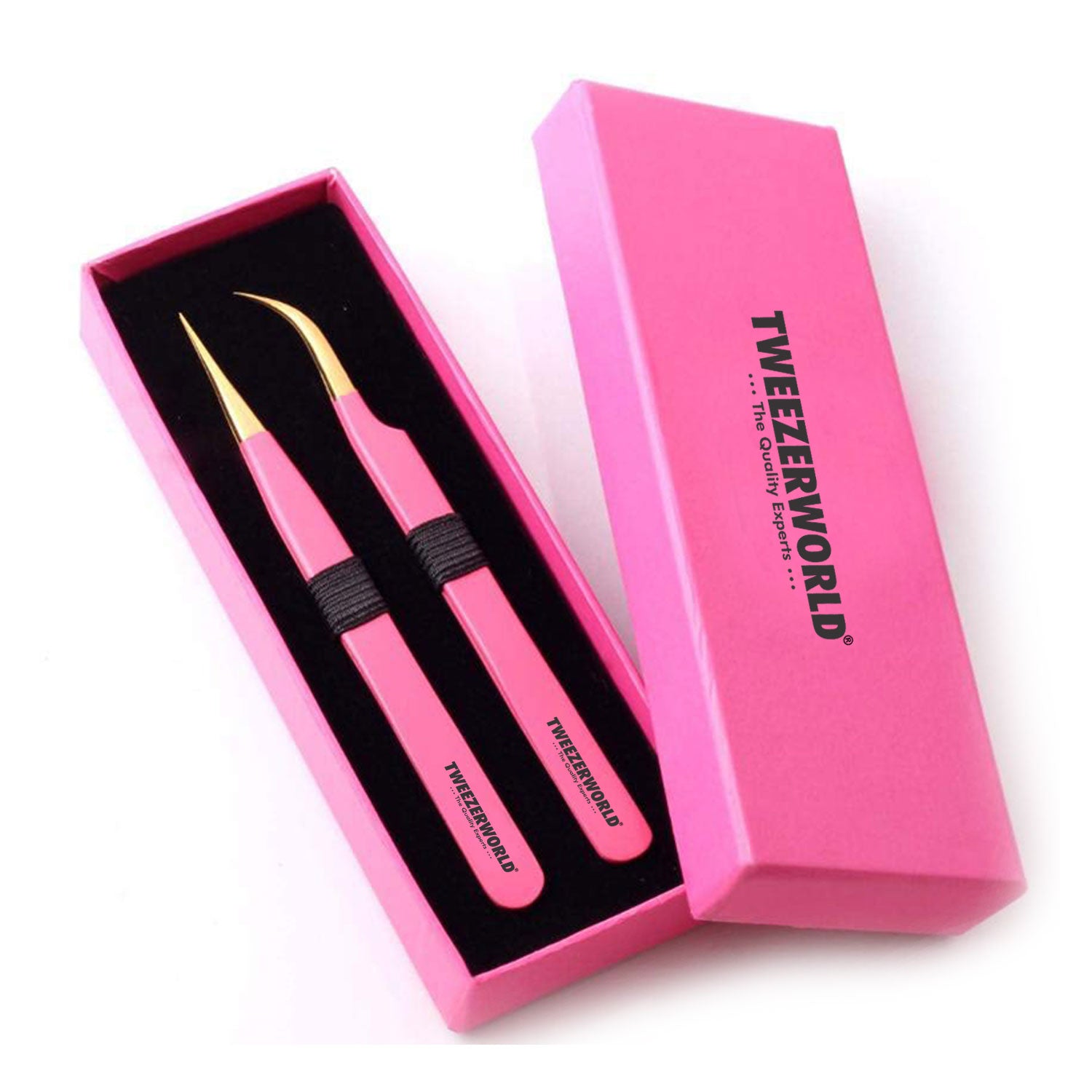
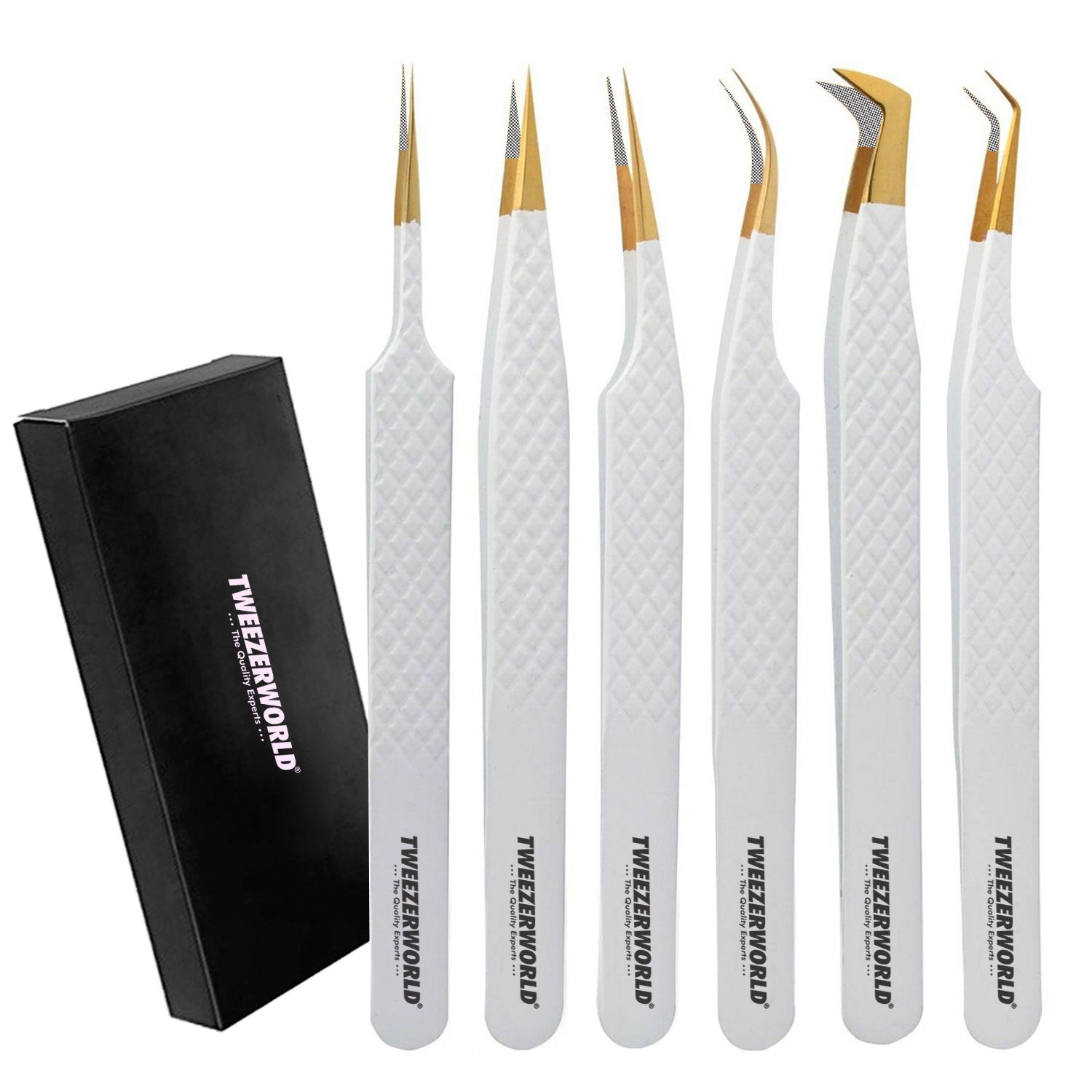
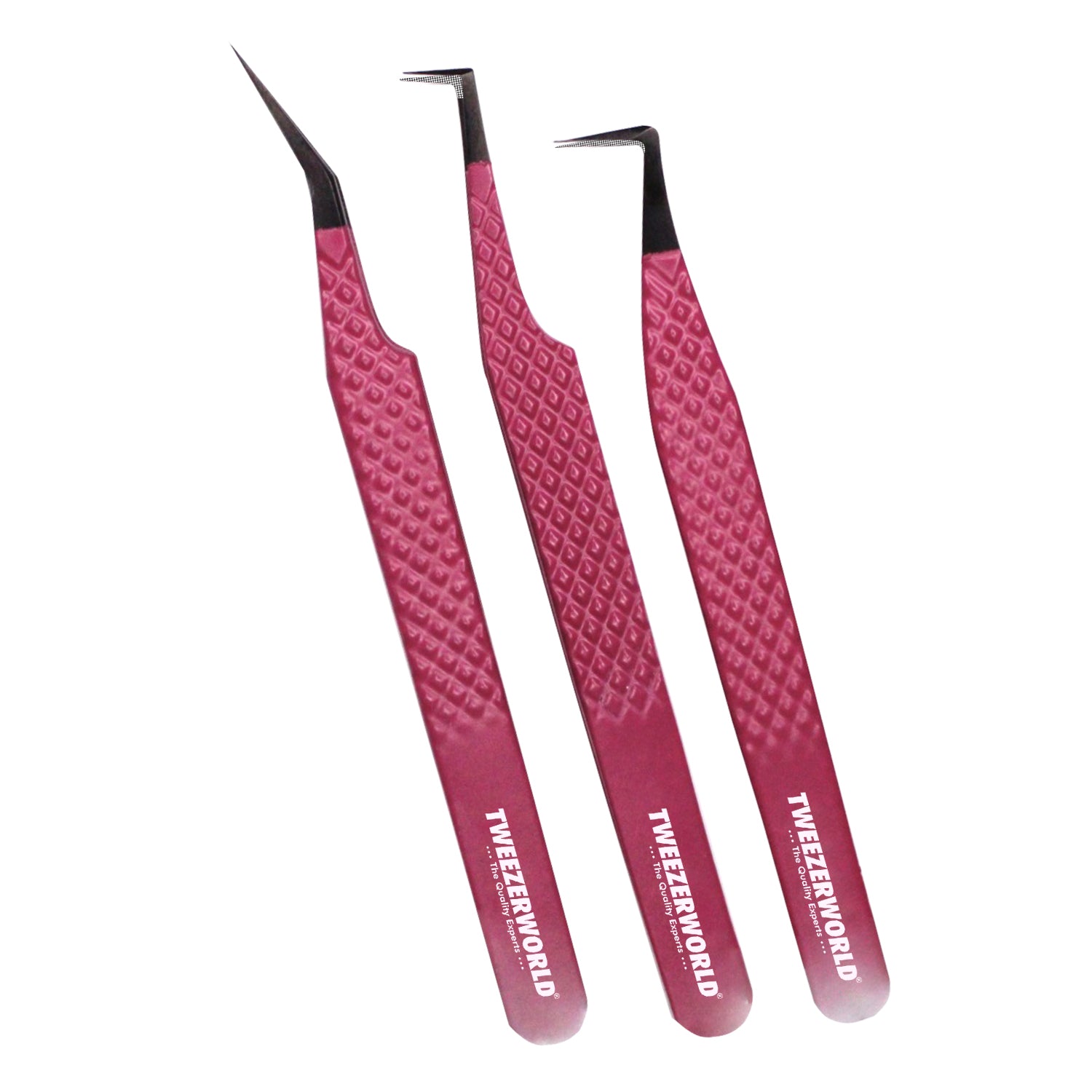
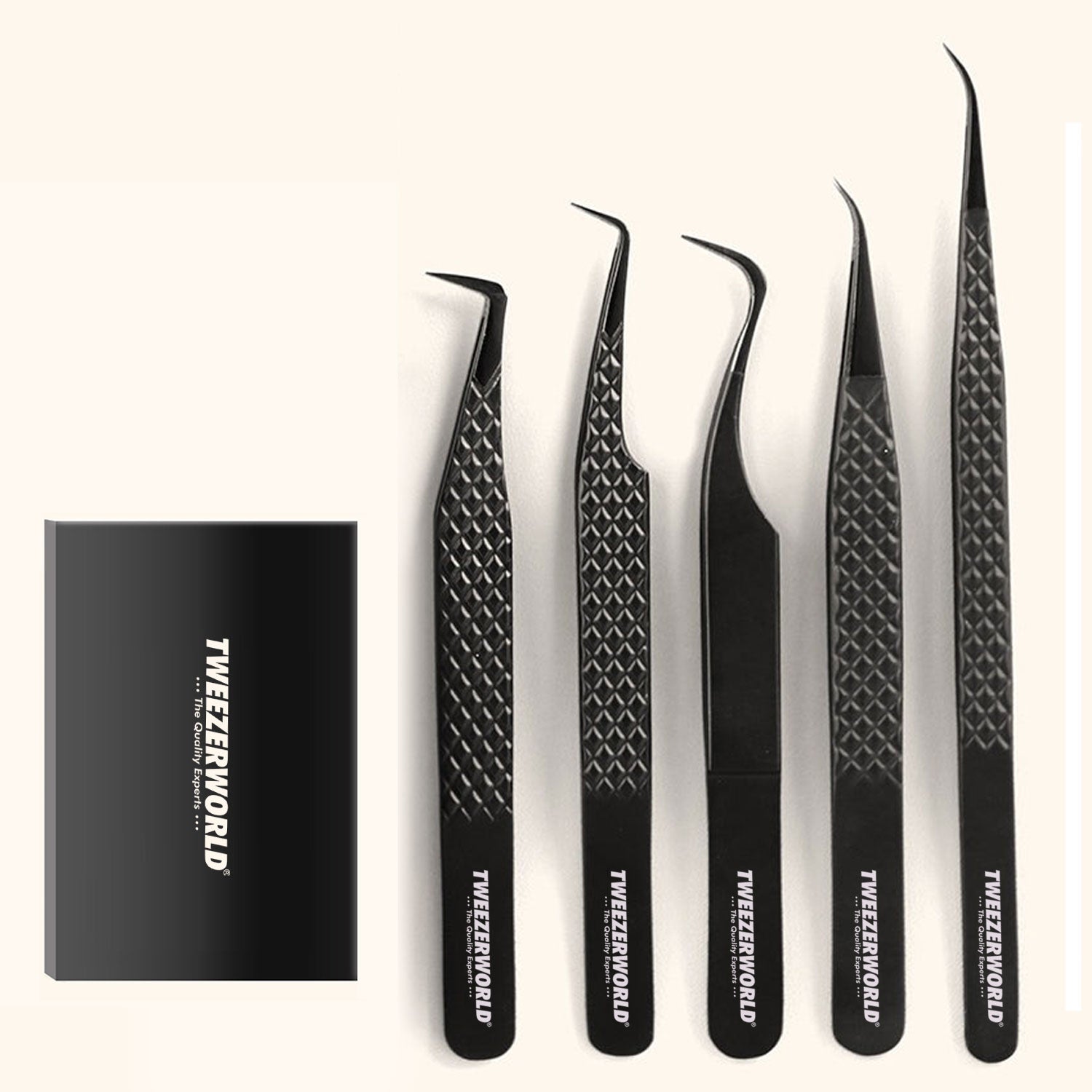
Ultra-fine straight tips can improve visual access for small parts; 30° and 45° geometries can change approach angle; ceramic straight or curved tips can be evaluated where a metal contact is undesirable; reverse-action models can be assessed for a specific holding task; and controlled-contact or broader geometries may be useful where concentrated point contact is unsuitable. None is universally safer—the component drawing and representative trial should decide.
Build a model-specific evidence record
For every candidate SKU, record measured overall length, tip/contact width, tip thickness, geometry/angle, weight, material identification, finish and closing force using a defined method. Add any buyer-required electrical, magnetic, cleanliness, chemical, heat or surface-contact tests with their method, conditions, result and acceptance criterion.
Evaluation before production
- Define component and no-touch zones.
- Select candidate geometries.
- Measure and identify each physical sample.
- Run representative handling trials.
- Record damage, slip, access and operator feedback.
- Approve a reference/golden sample only after requirements are closed.
TWEEZER WORLD® technical sourcing note: tool suitability depends on the exact component, permitted contact zone, geometry, material, finish and documented test requirement. A material name or tool category alone does not prove ESD, magnetic, cleanroom, chemical, heat or non-marring performance. Where a property has not been measured or tested for the exact model, its status should remain Pending / Not Verified.
Technical sourcing routes: Semiconductor Micro-Handling Tweezers · Photonics/VCSEL Tweezers Evaluation Set · 8-Piece Advanced Packaging & Photonics Evaluation Set · Technical Distributor Evaluation Pack · Quality Control · OEM Process
For OEM or distributor development, contact tweezersworld@gmail.com or WhatsApp +92-321-6194723. Established 2017 · Family Manufacturing Experience Since 1969.
Papular Products Gallery